×
- Hello
- Login or Register
- Quick Links
- Live Chat
- Track Order
- Parts Availability
- RMA
- Help Center
- Contact Us
- Shop for
- Audi Parts

My Garage
My Account
Cart
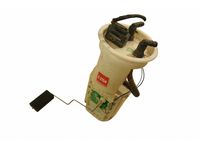
Genuine Audi Fuel Pump
Gas Pump- Select Vehicle by Model
- Select Vehicle by VIN
Select Vehicle by Model
orMake
Model
Year
Select Vehicle by VIN
For the most accurate results, select vehicle by your VIN (Vehicle Identification Number).
135 Fuel Pumps found
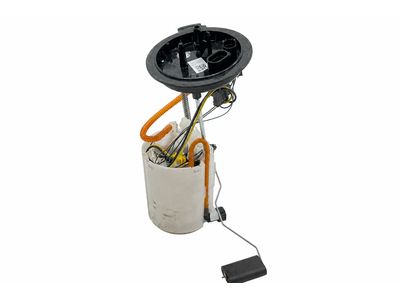
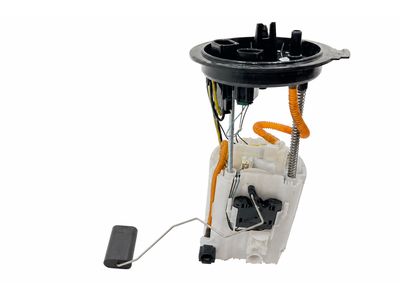
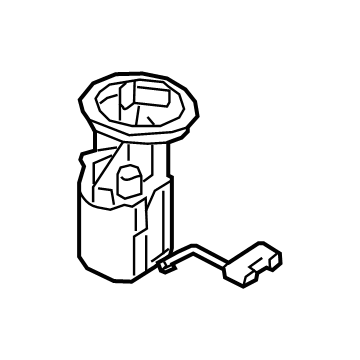
Audi Fuel Pump Assembly Part Number: 5QF-919-087-S
$232.04 MSRP: $324.98You Save: $92.94 (29%)Ships in 1-2 Business DaysProduct Specifications- Other Name: Module; Fuel Pump
- Replaces: 5QF-919-087-G, 5QF-919-087-J, 5QF-919-087-L
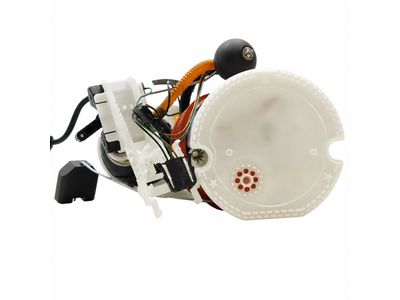
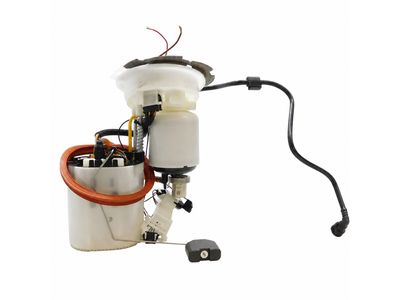
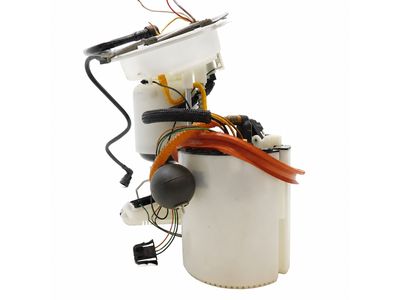
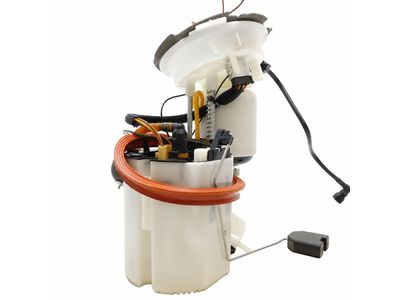
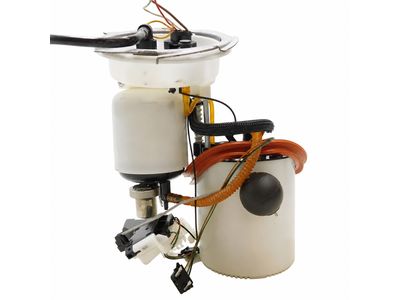
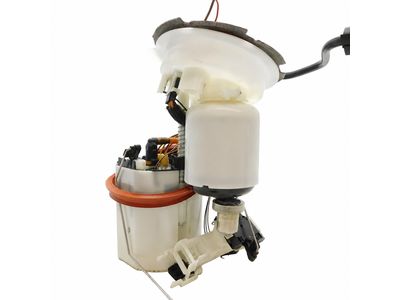
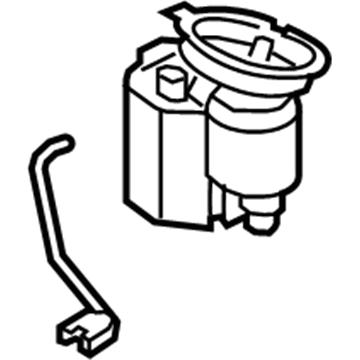
Audi Fuel Pump Assembly Part Number: 4G0-919-051-K
$328.93 MSRP: $460.69You Save: $131.76 (29%)Ships in 1-2 Business DaysProduct Specifications- Other Name: Delivery; Fuel Pump
- Replaces: 4G0-919-051-C
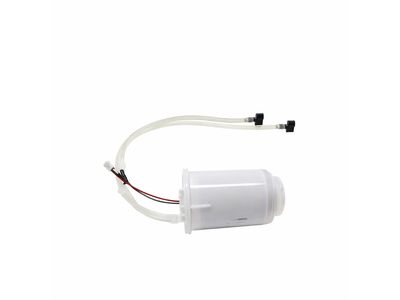
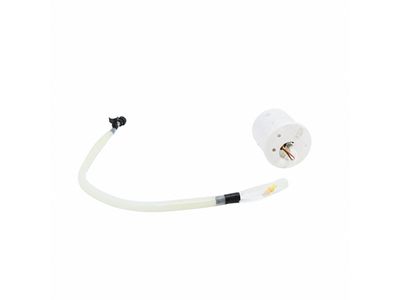
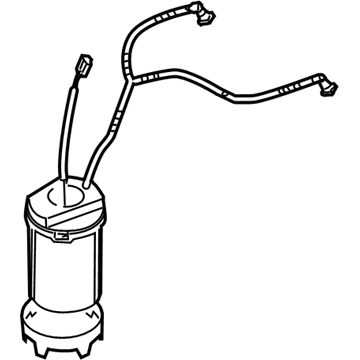
Audi Fuel Pump Part Number: 4L0-919-087-A
$854.42 MSRP: $1104.61You Save: $250.19 (23%)Ships in 1-2 Business DaysProduct Specifications- Other Name: Module
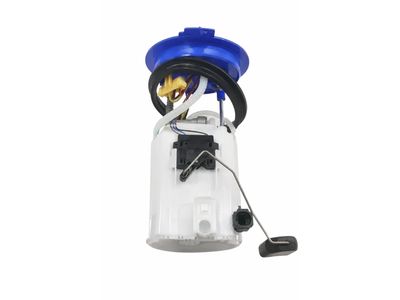
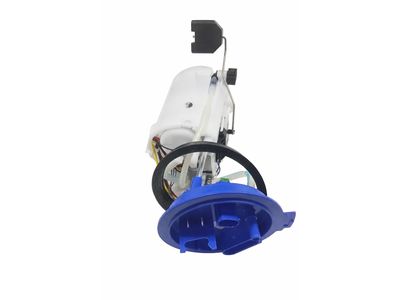
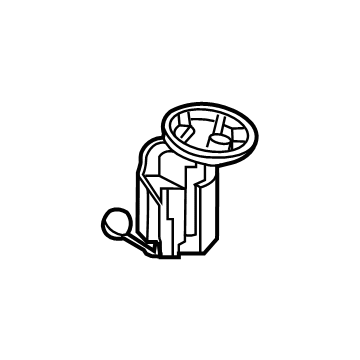
Audi Fuel Pump Assembly Part Number: 5WA-919-087-C
$158.26 MSRP: $221.65You Save: $63.39 (29%)Ships in 1-2 Business DaysProduct Specifications- Other Name: Module; Fuel Pump
- Replaces: 5WA-919-087-B
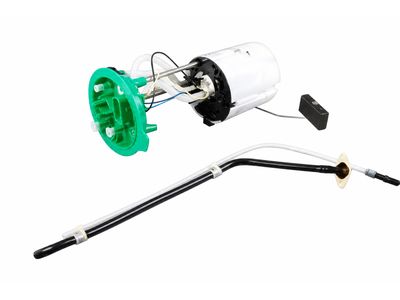
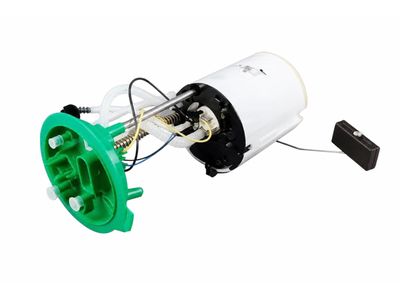
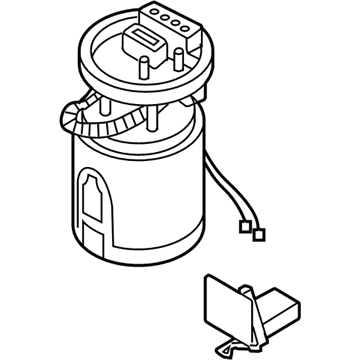
Audi Fuel Pump Assembly Part Number: 8E0-919-051-CN
$403.41 MSRP: $564.99You Save: $161.58 (29%)Ships in 1-2 Business DaysProduct Specifications- Other Name: Fuel Unit; Fuel Pump
- Replaces: 8E0-919-051-AJ
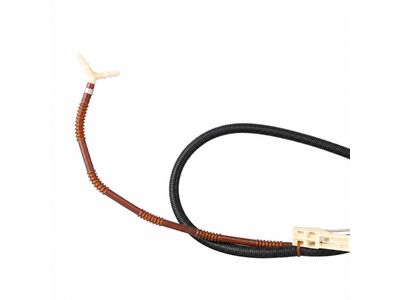
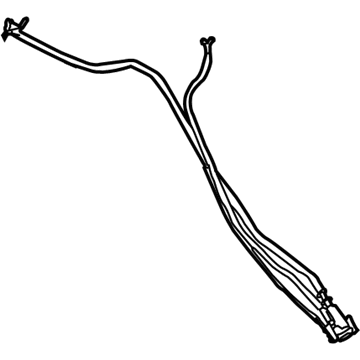
Audi Suction Line Part Number: 3D0-919-715-H
$147.43 MSRP: $206.48You Save: $59.05 (29%)Ships in 1-2 Business DaysProduct Specifications- Other Name: Pump; Fuel Pump
- Position: Driver Side
- Replaces: 3D0-919-715
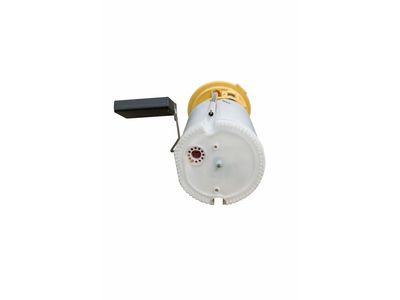
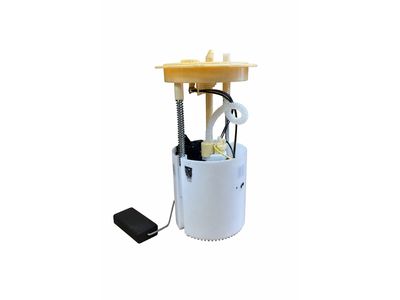
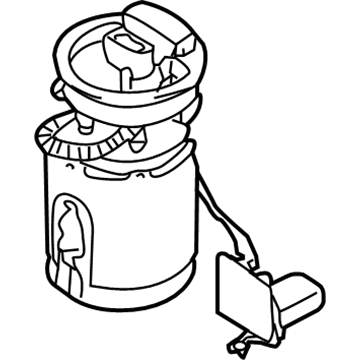
Audi Fuel Pump Assembly Part Number: 1K0-919-050-AB
$153.82 MSRP: $215.44You Save: $61.62 (29%)Ships in 1-2 Business DaysProduct Specifications- Other Name: Fuel Unit; Fuel Pump
- Replaces: 1K0-919-050-J, 1K0-919-050-D
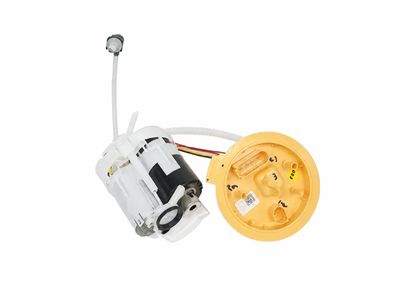
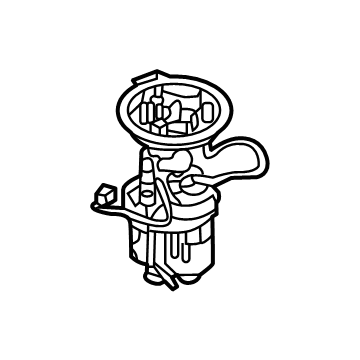
Audi Fuel Pump Assembly Part Number: 80A-919-087-F
$211.96 MSRP: $296.86You Save: $84.90 (29%)Ships in 1-2 Business DaysProduct Specifications- Other Name: Module; Fuel Pump
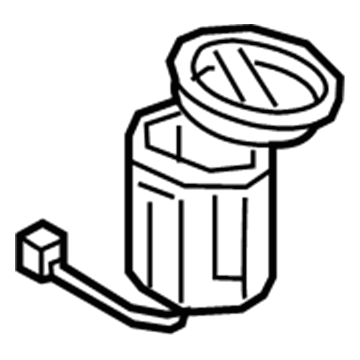
Audi Fuel Pump Part Number: 8V0-919-087-B
$703.29 MSRP: $909.23You Save: $205.94 (23%)Ships in 1-2 Business DaysProduct Specifications- Other Name: Module
- Position: Passenger Side
- Replaces: 8V0-919-087-A
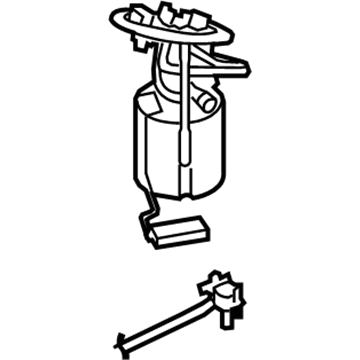
Audi Fuel Pump Part Number: 4F0-919-087-D
$417.69 MSRP: $585.00You Save: $167.31 (29%)Ships in 1-2 Business DaysProduct Specifications- Other Name: Module
- Replaces: 4F0-919-051-AD, 4F0-919-051-AH
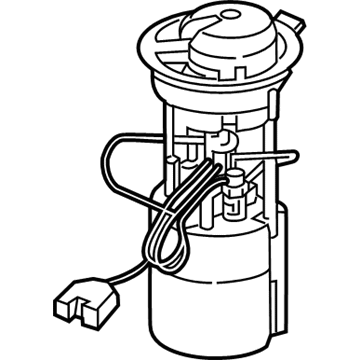
Audi Fuel Pump Part Number: 4M0-919-087-F
$227.12 MSRP: $318.10You Save: $90.98 (29%)Ships in 1-2 Business DaysProduct Specifications- Other Name: Module
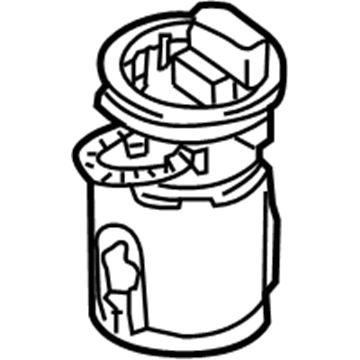
Audi Fuel Pump Part Number: 8L9-919-051-G
$314.87 MSRP: $441.00You Save: $126.13 (29%)Ships in 1-2 Business DaysProduct Specifications- Other Name: Fuel Unit
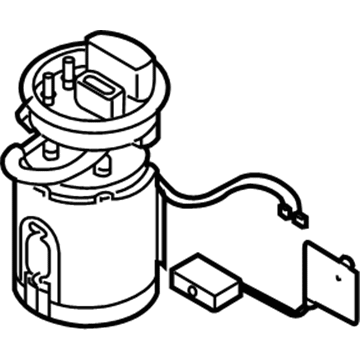
Audi Fuel Pump Assembly Part Number: 1K0-919-051-DE
$318.61 MSRP: $446.24You Save: $127.63 (29%)Ships in 1-2 Business DaysProduct Specifications- Other Name: Fuel Unit; Fuel Pump
- Replaces: 1K0-919-051-BK, 1K0-919-051-BM, 1K0-919-051-CN
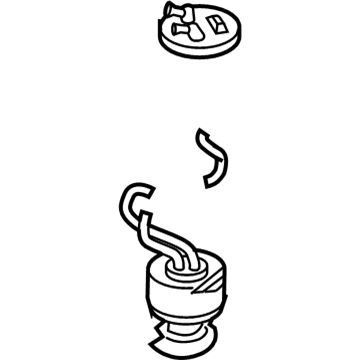
Audi Fuel Pump Part Number: 8E0-906-087-E
$145.61 MSRP: $203.93You Save: $58.32 (29%)Ships in 1-2 Business DaysAudi Suction Line Part Number: 3D0-919-715-J
$147.43 MSRP: $206.48You Save: $59.05 (29%)Ships in 1-2 Business DaysProduct Specifications- Other Name: Pump; Fuel Pump
- Position: Passenger Side
- Replaces: 3D0-919-715-A
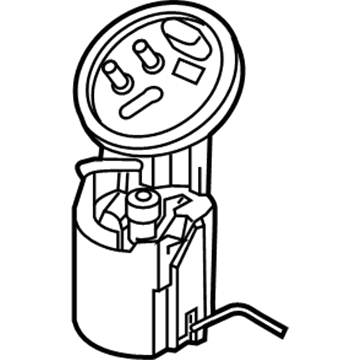
Audi Fuel Pump Assembly Part Number: 5Q0-919-087-T
$184.45 MSRP: $258.33You Save: $73.88 (29%)Ships in 1-2 Business DaysProduct Specifications- Other Name: Module; Fuel Pump
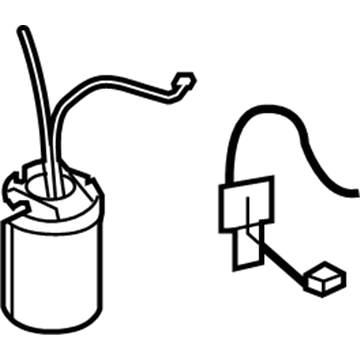
Audi Fuel Pump Assembly Part Number: 5N0-919-109-F
$191.58 MSRP: $268.32You Save: $76.74 (29%)Ships in 1-2 Business DaysProduct Specifications- Other Name: Fuel Filter; Fuel Pump
- Position: Driver Side
- Replaces: 5N0-919-109-E
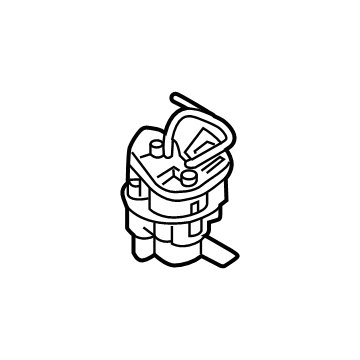
Audi Fuel Pump Assembly Part Number: 4K0-919-087-Q
$225.84 MSRP: $316.30You Save: $90.46 (29%)Ships in 1-2 Business DaysProduct Specifications- Other Name: Module; Fuel Pump
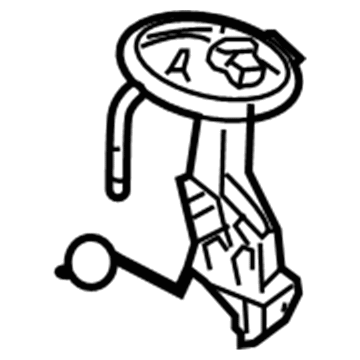
Audi Fuel Pump Assembly Part Number: 8E0-919-051-BL
$236.55 MSRP: $331.30You Save: $94.75 (29%)Ships in 1-2 Business DaysProduct Specifications- Other Name: Fuel Unit; Fuel Pump
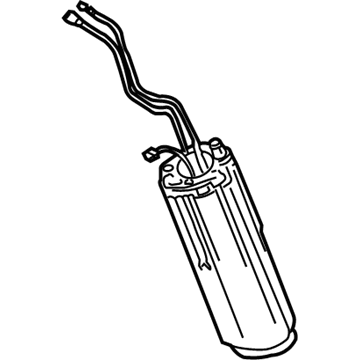
Audi Fuel Pump Part Number: 4E0-919-087-J
$243.47 MSRP: $341.00You Save: $97.53 (29%)Ships in 1-2 Business DaysProduct Specifications- Other Name: Module
- Position: Driver Side
| Page 1 of 7 |Next >
1-20 of 135 Results
Audi Fuel Pump
Audi Fuel Pump ensures a steady stream of gasoline from the tank to the engine, providing every driver with quick starts and smooth power no matter what journey is taken. Audi has created its image with sporty sedans and SUVs that combine sharp handling with everyday comfort and has its roots in 1909, a company that has progressed through water-cooled engines, full-time all-wheel drive, and the legendary Quattro system that grips slick roads. Modern Audi cabins include Virtual Cockpit screens and matrix headlights for clear night vision, the e-tron range being proof of the brand's drive towards electric mobility and self-driving research. These innovations make Audi a symbol of innovation that is enjoyed by tech-savvy fans around the world. That confidence starts the moment the Fuel Pump primes at key turn, the component design is in accordance with the forward spirit of the brand. The Fuel Pump applied throughout the range moves petrol at the right pressure whether it is a traditional diaphragm style mechanical unit feeding an early carburetor or a submerged electric unit powering today's injection systems. The mechanical version rides a camshaft lever to deliver moderate psi while the in-tank electric layout remains cool in fuel and allows for higher pressure, which can automatically shut off after a collision for added safety. No matter the variant, each Fuel Pump holds the universal mission of providing reliable fuel flow that keeps every Audi responsive, efficient, and ready for adventure.
Stick with genuine OEM Fuel Pump when you need quality that holds up. Audi crafts these parts to hit strict factory specs for every single unit. They also run each part through rigorous checks during production to maintain high quality. You can find exact Audi Fuel Pump you need in our huge stock at AudiPartsGiant.com. You'll love our low, economical prices too. Every OEM part carries a real manufacturer's warranty, so you can buy with confidence. Returns aren't a headache here because our policy is simple. Plus, our speedy delivery gets orders out fast. Shop today and buy with total peace of mind.
Audi Fuel Pump Parts and Q&A
- Q:How to replace the high-pressure fuel pump on Audi A4?A:In the case of 2.0L four-cylinder engines, start by depressing the fuel system pressure and unplugging the cable of the negative battery terminal. The second step would entail disconnection of the electrical connectors of the low fuel pressure sensor and the fuel pressure regulator valve and then disconnection of both fuel lines on the high-pressure pump making sure that the fitting is held with a wrench when it is loosened. Put off the three mounting fasteners of the high-pressure pump, noting that the Schrader valve fitting may have to be removed to access the bolt, then remove the pump, remembering that the sleeve may still be attached to the cylinder head. Dispose the old pump O-ring and always install a new one. Installation Before fitting the pump, place the sleeve into the cylinder head and turn the crankshaft until the sleeve seats at the lowest point and press it firmly into place as you turn the engine. After attaching the sleeve, attach the pump using a new O-ring, screw-in the mounting fasteners in a diagonal pattern and firmly attach the Schrader valve should it be fitted. Reconnect and secure the fuel lines then reconnect the electrical lead to the low fuel pressure sensor and fuel pressure regulator valve. In the case of 3.2L V6, one should begin by emptying out the engine coolant, and then drain away the front coolant pipe, as well as the upper intake manifold. Ease the high-pressure fuel line fittings, remove the fuel line bracket fasteners, and unscrew the fuel line fittings. In case equipped, disconnect electrical connector with the high-pressure pump and remove the large lifting eye. The pump and actuator should be carefully pulled off without bending or kinking the fuel lines. Reject the old O-ring of the pump and install only the new O-ring. Once more, lift the fuel lines in order to fit the high-pressure pump with a new O-ring and do not rip the lines. Install and screw the pump mounting fasteners, hand tighten the threaded fittings of the fuel lines and do not strain any but securely install the fuel line bracket fasteners and tighten the fuel line fittings. Installation is complete and this is done by following the reverse steps of removal and filling the cooling system.
- Q:How to check the Fuel Pump and its electrical connections on Audi A6?A:Confirm that the battery maintains a minimum charge of 12 volts. Inspect the fuse and relay for the fuel pump. Remove fuse 28. Connect the VAG1348/3A remote switch and VAG1348/32 adapter cable to the opening for fuse 28. Connect the other end of the adapter to the battery. Hear fuel pump working by raising rear seat bottom if you have to. Listen carefully no sound of fuel pump. Another way to check the pump is to turn the engine on and listen for a humming noise. The fuel pump is a fairly quiet part. If required, raise the rear seat bottom to hear it. If the fuel pump is inoperative, remove the rear seat bottom, and then remove the fuel pump cover. Disconnect the electrical connector of the fuel pump and connect a digital multimeter to pins 1 and 4 of the harness connector. Turn the key to the "on" position and check the fuel pump connector voltage. When the battery voltage (12 volts) is not present, find the wiring fault and repair open circuit. Check the wiring in the tank of the fuel pump, if battery voltage is present and the power supply to the fuel pump is okay.
Related Audi Parts
 Audi Air Filter
 Audi Accelerator Pedal
 Audi Air Intake Hose
 Audi Crankcase Breather Hose
 Audi Fuel Rail
 Audi Fuel Tank
 Audi Throttle Position Sensor
 Audi Accelerator Cable
 Audi Fuel Filler Neck
 Audi Fuel Hose
 Audi Fuel Pump Wiring Harness
 Audi Fuel Tank Strap
Browse by Model
100 Fuel Pump 100 Quattro Fuel Pump 200 Fuel Pump 200 Quattro Fuel Pump 4000 Fuel Pump 4000 Quattro Fuel Pump 5000 Fuel Pump 5000 Quattro Fuel Pump 80 Fuel Pump 80 Quattro Fuel Pump 90 Fuel Pump 90 Quattro Fuel Pump A3 Fuel Pump A3 Quattro Fuel Pump A3 Sportback e-tron Fuel Pump A4 allroad Fuel Pump A4 Fuel Pump A4 Quattro Fuel Pump A5 Fuel Pump A5 Quattro Fuel Pump A5 Sportback Fuel Pump A6 allroad Fuel Pump A6 Fuel Pump A6 Quattro Fuel Pump A7 Quattro Fuel Pump A7 Sportback Fuel Pump A8 Fuel Pump A8 Quattro Fuel Pump allroad Fuel Pump Allroad Quattro Fuel Pump Cabriolet Fuel Pump Coupe Quattro Fuel Pump Q3 Fuel Pump Q3 Quattro Fuel Pump Q5 Fuel Pump Q5 PHEV Fuel Pump Q5 Sportback Fuel Pump Q7 Fuel Pump Q8 Fuel Pump Quattro Fuel Pump R8 Fuel Pump RS Q8 Fuel Pump RS3 Fuel Pump RS4 Fuel Pump RS5 Fuel Pump RS5 Sportback Fuel Pump RS6 Avant Fuel Pump RS7 Fuel Pump RS7 Sportback Fuel Pump S3 Fuel Pump S4 Fuel Pump S5 Fuel Pump S5 Sportback Fuel Pump S6 Fuel Pump S7 Fuel Pump S7 Sportback Fuel Pump S8 Fuel Pump SQ5 Fuel Pump SQ5 Sportback Fuel Pump SQ7 Fuel Pump SQ8 Fuel Pump TT Fuel Pump TT Quattro Fuel Pump TT RS Quattro Fuel Pump TTS Quattro Fuel Pump V8 Quattro Fuel Pump