×
- Hello
- Login or Register
- Quick Links
- Live Chat
- Track Order
- Parts Availability
- RMA
- Help Center
- Contact Us
- Shop for
- Audi Parts

My Garage
My Account
Cart
Genuine Audi Fuel Hose
- Select Vehicle by Model
- Select Vehicle by VIN
Select Vehicle by Model
orMake
Model
Year
Select Vehicle by VIN
For the most accurate results, select vehicle by your VIN (Vehicle Identification Number).
40 Fuel Hoses found
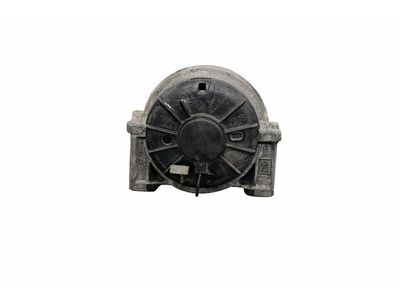
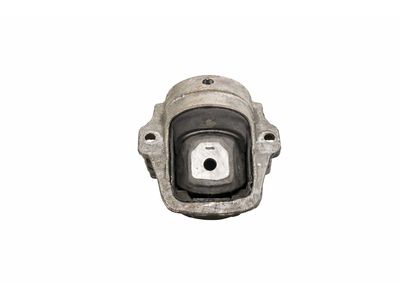
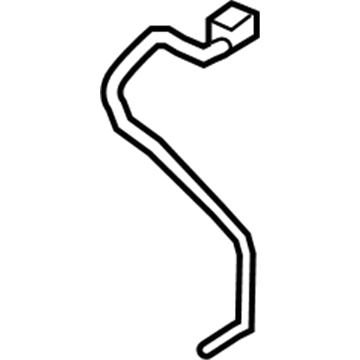
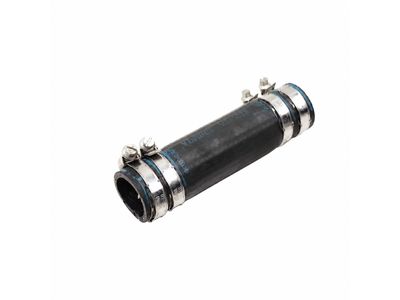
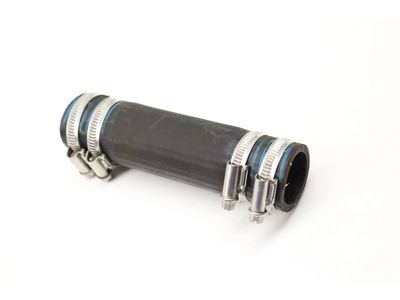
Audi Canister Hose Part Number: 8K0-201-183-A
$171.11 MSRP: $239.65You Save: $68.54 (29%)Ships in 1-2 Business DaysProduct Specifications- Other Name: Tube; Vent Tube

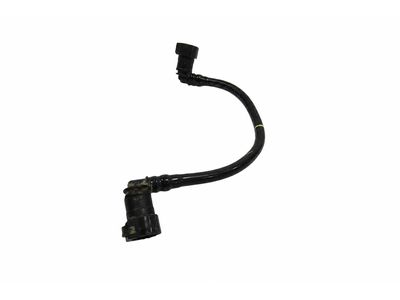
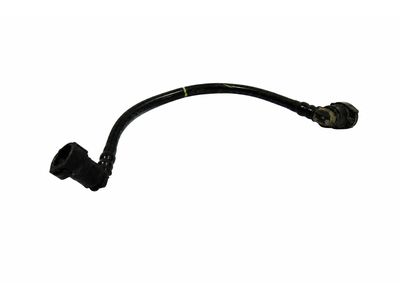
Audi Connector Hose Part Number: 420-201-143-C
$84.95 MSRP: $118.99You Save: $34.04 (29%)Ships in 1-2 Business DaysProduct Specifications- Other Name: Hose
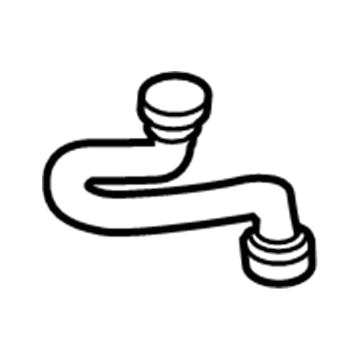
Audi Vent Tube Part Number: 420-201-163-B
$92.81 MSRP: $129.98You Save: $37.17 (29%)Ships in 1-2 Business DaysProduct Specifications- Other Name: Tube
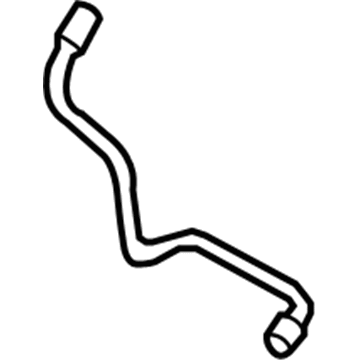
Audi Breather Tube Part Number: 4F0-201-167-D
$138.03 MSRP: $193.31You Save: $55.28 (29%)Ships in 1-2 Business DaysProduct Specifications- Other Name: Tube
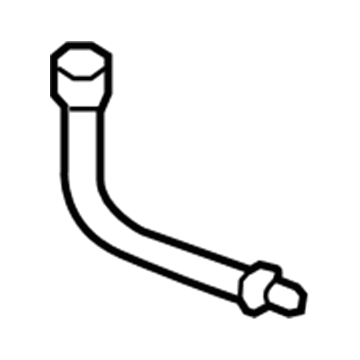
Audi Vent Tube Part Number: 5N0-201-993-S
$37.36 MSRP: $59.78You Save: $22.42 (38%)Ships in 1-2 Business DaysProduct Specifications- Other Name: Breather
- Replaces: 5N0-201-993-N
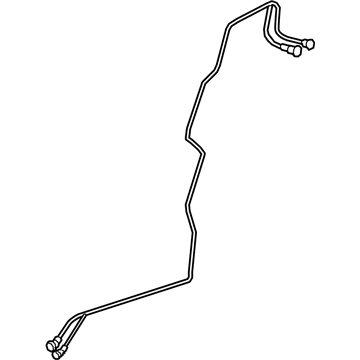
Audi Breather Tube Part Number: 5QF-201-160-M
$69.01 MSRP: $96.65You Save: $27.64 (29%)Ships in 1-2 Business DaysProduct Specifications- Other Name: Breather

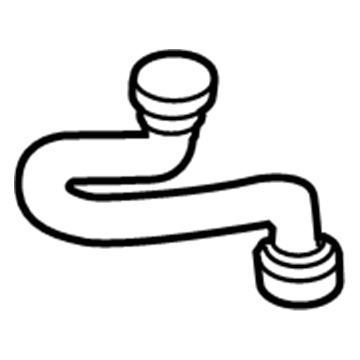
Audi Vent Hose Part Number: N-103-035-04
$70.20 MSRP: $98.32You Save: $28.12 (29%)Ships in 1-2 Business DaysProduct Specifications- Other Name: Hose
- Replaces: 8D0-201-543-D, N-103-035-01
Audi Vent Tube Part Number: 427-201-163-A
$92.81 MSRP: $129.98You Save: $37.17 (29%)Ships in 1-2 Business DaysProduct Specifications- Other Name: Tube

Audi Connector Hose Part Number: 8E0-201-143-B
$94.00 MSRP: $131.65You Save: $37.65 (29%)Ships in 1-2 Business DaysProduct Specifications- Other Name: Hose
- Replaces: 8E0-201-143
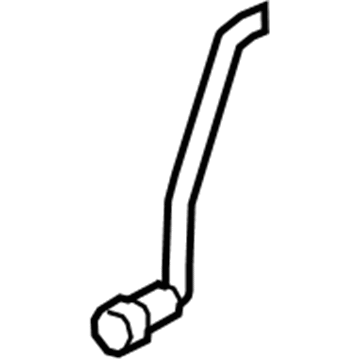
Audi Breather Tube Part Number: 8S0-201-931-E
$118.99 MSRP: $166.65You Save: $47.66 (29%)Ships in 1-2 Business DaysProduct Specifications- Other Name: Breather
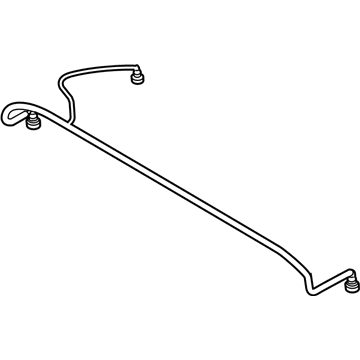
Audi Vent Tube Part Number: 427-201-167-D
$122.55 MSRP: $171.63You Save: $49.08 (29%)Ships in 1-2 Business DaysProduct Specifications- Other Name: Venthose
- Position: Driver Side
Audi Breather Tube Part Number: 8S0-201-931-B
$124.94 MSRP: $174.98You Save: $50.04 (29%)Ships in 1-2 Business DaysProduct Specifications- Other Name: Breather
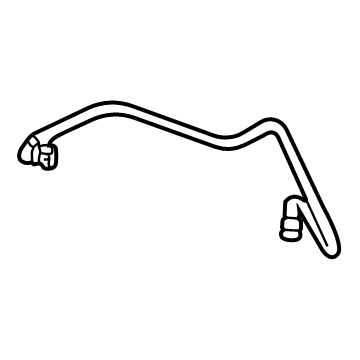
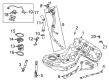
Audi Breather Tube Part Number: 4N0-201-183-A
$126.13 MSRP: $176.64You Save: $50.51 (29%)Ships in 1-2 Business DaysProduct Specifications- Other Name: Breather
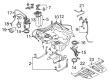
Audi Breather Tube Part Number: 8N0-201-993-C
$61.88 MSRP: $86.67You Save: $24.79 (29%)Ships in 1-2 Business DaysProduct Specifications- Other Name: Tube
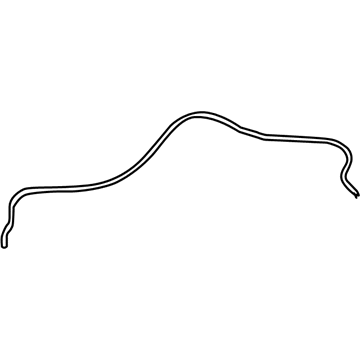
Audi Breather Tube Part Number: 8N0-201-931-J
$70.21 MSRP: $98.33You Save: $28.12 (29%)Ships in 1-2 Business DaysProduct Specifications- Other Name: Tube
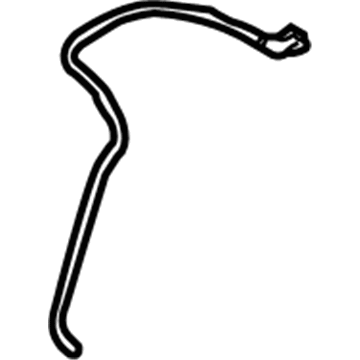
Audi Breather Tube Part Number: 4E0-201-163-B
$103.52 MSRP: $144.98You Save: $41.46 (29%)Ships in 1-2 Business DaysProduct Specifications- Other Name: Tube
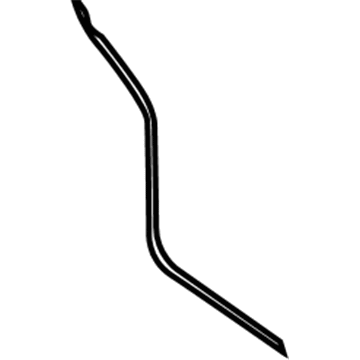
Audi Breather Tube Part Number: 8E0-201-183-AH
$107.10 MSRP: $150.00You Save: $42.90 (29%)Ships in 1-2 Business DaysProduct Specifications- Other Name: Tube

Audi Breather Tube Part Number: 8N0-201-995-C
$122.57 MSRP: $171.67You Save: $49.10 (29%)Ships in 1-2 Business DaysProduct Specifications- Other Name: Breather
- Replaces: 8N0-201-995-A
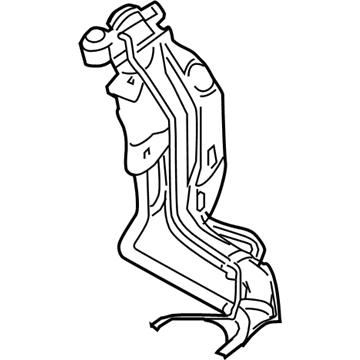
Audi Breather Tube Part Number: 8E0-201-167-AP
$126.14 MSRP: $176.66You Save: $50.52 (29%)Ships in 1-2 Business DaysProduct Specifications- Other Name: Tube
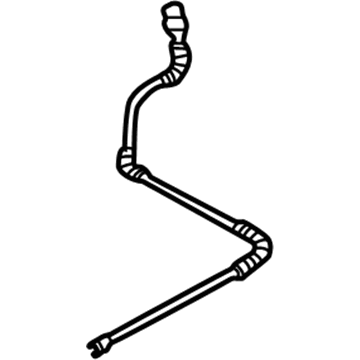
Audi Breather Tube Part Number: 8N0-201-995-B
$129.71 MSRP: $181.67You Save: $51.96 (29%)Ships in 1-2 Business DaysProduct Specifications- Other Name: Breather
- Replaces: 8N0-201-995
| Page 1 of 2 |Next >
1-20 of 40 Results
Audi Fuel Hose
Audi Fuel Hose transfers gasoline rapidly and securely from tank to injectors to ensure drivers get smooth acceleration and protection from fuel-wasting leaks or dangers of sparks. Audi earned its reputation with more than a century of innovation, from its early days of water-cooled engines to today's quattro grip keeping sedans and SUVs confident on rain-soaked roads. Digital Virtual Cockpit screens bring navigation and gauges into sharp focus, while adaptive matrix lights cut the darkness without blinding traffic. Electric e-tron models prove that Audi can combine silence and speed, and ongoing self-driving trials are a hint towards an even smarter future. Comfort, performance, and technology unite in such a way that every journey in an Audi feels noble and exciting. Just as the drivetrain is dependent on clever software, the Fuel Hose supports mechanical excellence. Built with materials that shrug off heat, vibration, and modern additives, this Fuel Hose keeps pressure steady so that injectors get an even stream of clean gasoline. Flexible construction can be easily routed around tight engine bays, and reinforced walls resist cuts that can cause vapor loss. A robust Audi Fuel Hose helps preserve throttle response, mileage, and safety throughout the range, making it a universal winner. Simple checks for cracks, stiffness, or gasoline smell can alert owners when a fresh hose will maintain performance at its peak.
Stick with genuine OEM Fuel Hose when you need quality that holds up. Audi crafts these parts to hit strict factory specs for every single unit. They also run each part through rigorous checks during production to maintain high quality. You can find exact Audi Fuel Hose you need in our huge stock at AudiPartsGiant.com. You'll love our low, economical prices too. Every OEM part carries a real manufacturer's warranty, so you can buy with confidence. Returns aren't a headache here because our policy is simple. Plus, our speedy delivery gets orders out fast. Shop today and buy with total peace of mind.
Audi Fuel Hose Parts and Q&A
- Q:What are the essential steps and precautions for replacing fuel hoses and inspecting related components on Audi A4?A:Replacement of air conditioning hoses are to be only postponed to a dealer service department or air conditioning shop capable of safely depressurizing the system and extracting refrigerant. Always take care not to take out air conditioning parts or hoses before depressurizing. An engine compartment may experience high temperatures that lead to the degradation of rubber and plastic hoses that are used to operate the engine, accessory, and emission systems and hence inspection to check against cracks, loose clamps, hardening of material and leaks is necessary on a regular basis. Other hoses are clamped and they need to be tensioned to avoid leakages and those that are not clamped need to be monitored on whether they have expanded or hardened. Color-coded or striped: The use of vacuum hoses especially in the emissions system, the replacement hose must be of the same material. Checking a hose can best be done by taking the hose all the way off, marking hoses and fittings so they can be installed properly. Check any plastic T-fittings during the inspection, both in terms of cracks and distortion that may be the cause of leakage. Vacuum leaks may be detected by simply listening to hissing by using a small hose of vacuum. The rubber fuel lines must be inspected on their detergence and chafing, and particularly holes that are made when the hose is bent or connected to fittings. Replacements of fuel lines to high pressure fuel injection systems should be with high-quality fuel line that is not unreinforced vacuum lines or clear plastic tubing. Clamps on fuel lines are spring-type that tend to lose their tension as time goes by and need to be replaced with screw clamps when changing hoses. Areas of metal line that were routed along the frame between the fuel tank and engine should be inspected to ensure that they do not contain bends, crimps or cracks. When replacing a metal fuel line, seamless steel tubing should be employed, and copper and aluminum do not have the required strength to survive the vibration of the engine. Also, inspect metal brake lines at the master cylinder and brake proportioning unit of cracks or loose fittings of which any indication of brake fluid leakage should be an immediate and exhaustive inspection of the brake system.
Related Audi Parts
 Audi Air Filter
 Audi Intake Manifold
 Audi Air Intake Hose
 Audi Fuel Pressure Regulator
 Audi Fuel Tank
 Audi Throttle Position Sensor
 Audi Fuel Injector
 Audi Accelerator Cable
 Audi Air Duct
 Audi Fuel Injector O-Rings
 Audi Fuel Pump Wiring Harness
 Audi Fuel Tank Skid Plate
Browse by Model
100 Fuel Hose 100 Quattro Fuel Hose A3 Sportback e-tron Fuel Hose A4 Fuel Hose A4 Quattro Fuel Hose A5 Fuel Hose A5 Quattro Fuel Hose A6 Fuel Hose A6 Quattro Fuel Hose A8 Quattro Fuel Hose allroad Fuel Hose Cabriolet Fuel Hose Q3 Fuel Hose Q3 Quattro Fuel Hose Q5 Fuel Hose Q5 PHEV Fuel Hose Q5 Sportback Fuel Hose R8 Fuel Hose RS4 Fuel Hose RS5 Fuel Hose S4 Fuel Hose S5 Fuel Hose S6 Fuel Hose S8 Fuel Hose TT Fuel Hose TT Quattro Fuel Hose TT RS Quattro Fuel Hose TTS Quattro Fuel Hose V8 Quattro Fuel Hose