×
- Hello
- Login or Register
- Quick Links
- Live Chat
- Track Order
- Parts Availability
- RMA
- Help Center
- Contact Us
- Shop for
- Audi Parts

My Garage
My Account
Cart
Genuine Audi Power Steering Pump
Power Steering Pump Unit- Select Vehicle by Model
- Select Vehicle by VIN
Select Vehicle by Model
orMake
Model
Year
Select Vehicle by VIN
For the most accurate results, select vehicle by your VIN (Vehicle Identification Number).
60 Power Steering Pumps found
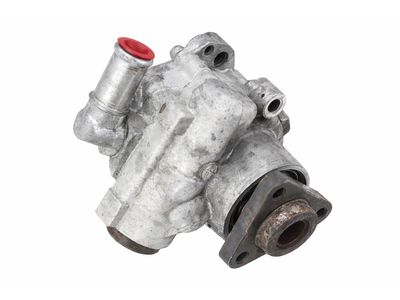
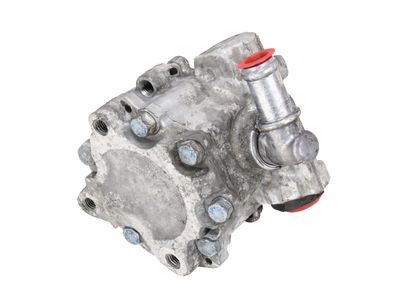
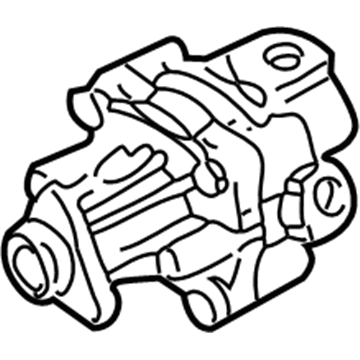
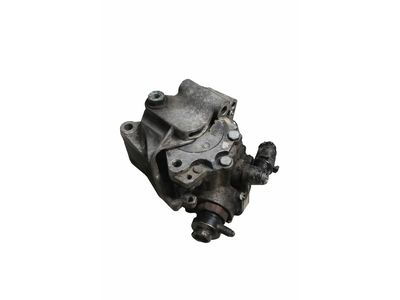
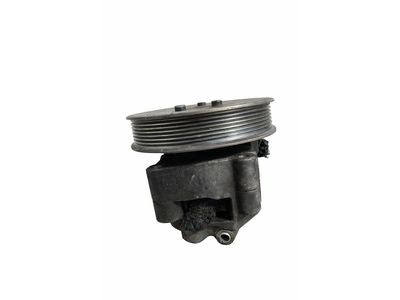
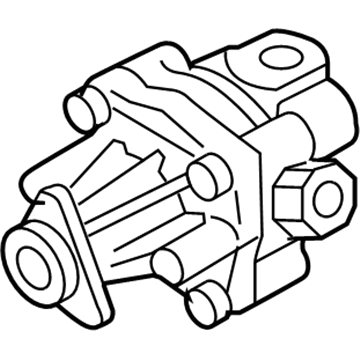
Audi Power Steering Pump Part Number: 8D0-145-156-F
$241.57 MSRP: $338.33You Save: $96.76 (29%)Ships in 1-2 Business DaysProduct Specifications- Other Name: Pump
Audi Power Steering Pump Part Number: 8E0-145-155-F
$306.67 MSRP: $429.52You Save: $122.85 (29%)Ships in 1-2 Business DaysProduct Specifications- Other Name: Pump
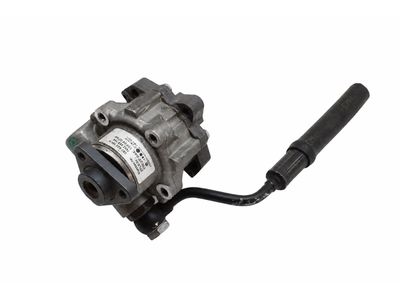
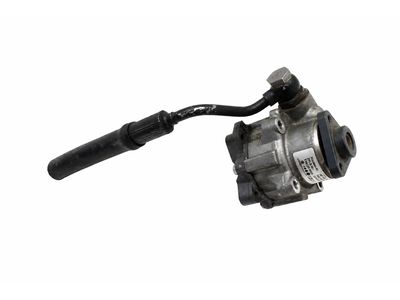
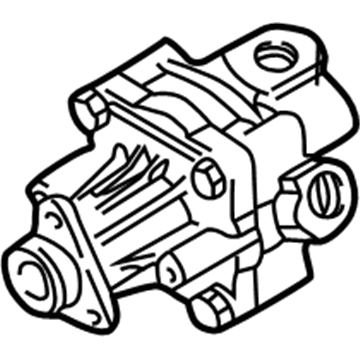
Audi Power Steering Pump Part Number: 3B7-422-154-A
$385.56 MSRP: $540.00You Save: $154.44 (29%)Ships in 1-2 Business DaysProduct Specifications- Other Name: Pump
- Replaces: 4B0-145-156-A
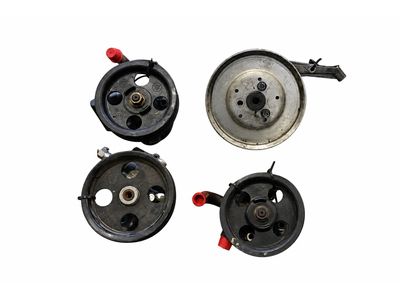
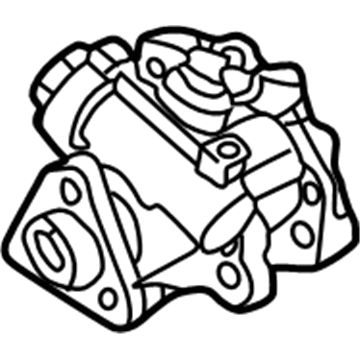
Audi Power Steering Pump Part Number: 4B0-145-156-R
$451.01 MSRP: $631.67You Save: $180.66 (29%)Ships in 1-2 Business DaysProduct Specifications- Other Name: Pump
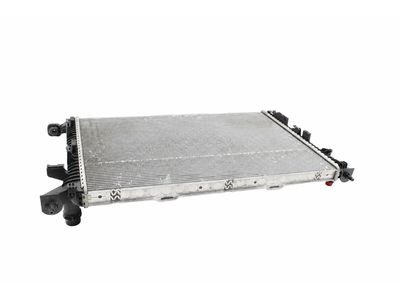
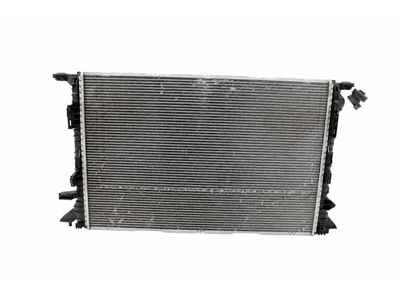
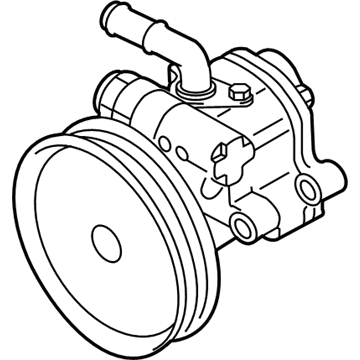
Audi Power Steering Pump Part Number: 8K0-145-153-F
$592.01 MSRP: $829.15You Save: $237.14 (29%)Ships in 1-2 Business DaysProduct Specifications- Other Name: Pump
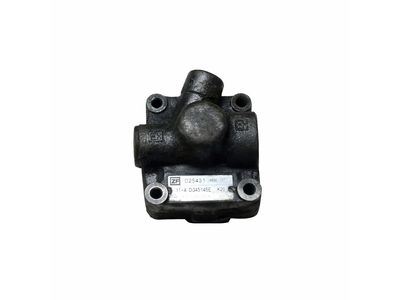
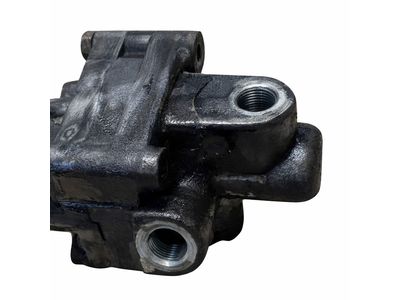
Audi Power Steering Pump Part Number: 4D0-145-155-K
$616.42 MSRP: $796.92You Save: $180.50 (23%)Ships in 1-2 Business DaysProduct Specifications- Other Name: Pump
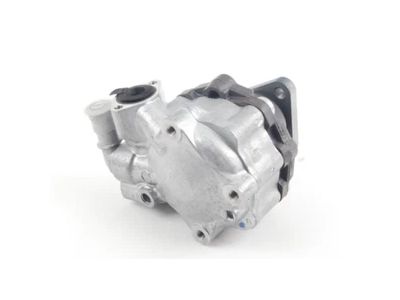
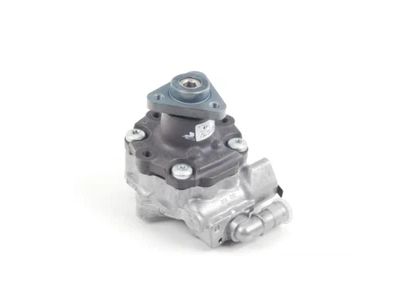
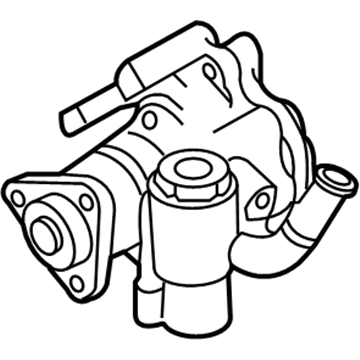
Audi Power Steering Pump Part Number: 7L8-422-154-J
$686.63 MSRP: $887.70You Save: $201.07 (23%)Ships in 1-2 Business DaysProduct Specifications- Other Name: Pump
- Replaces: 7L8-422-154-G, 7L8-422-154-H, 7L8-422-154-F
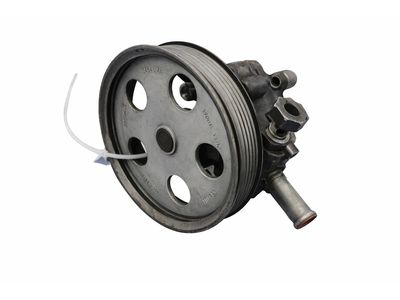
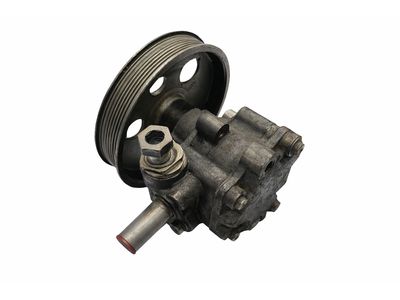
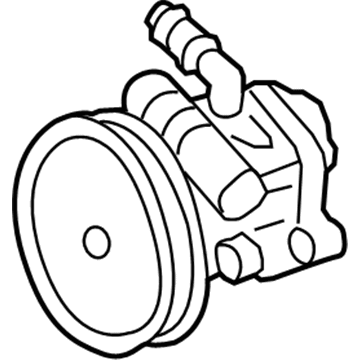
Audi Power Steering Pump Part Number: 8E0-145-153-J
$722.91 MSRP: $934.60You Save: $211.69 (23%)Ships in 1-2 Business DaysProduct Specifications- Other Name: Pump
- Replaces: 8E0-145-153-D
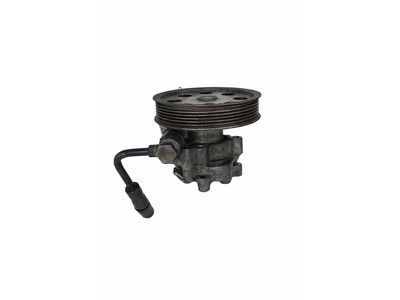
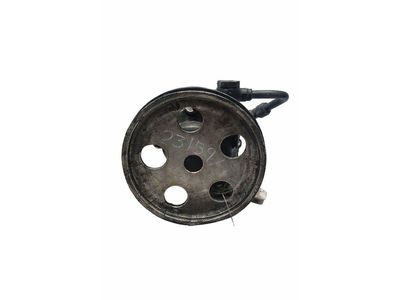
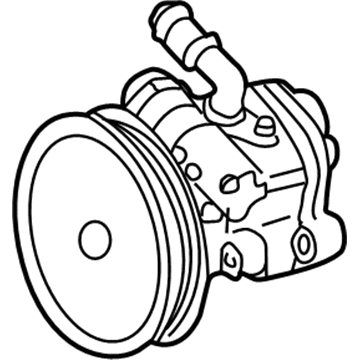
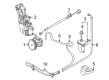
Audi Power Steering Pump Part Number: 8E0-145-153-H
$748.62 MSRP: $967.83You Save: $219.21 (23%)Ships in 1-2 Business DaysProduct Specifications- Other Name: Pump
- Replaces: 8E0-145-153
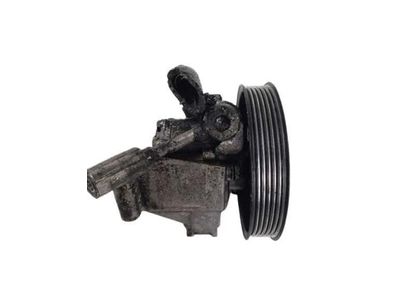
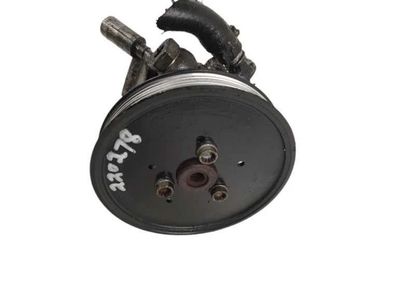
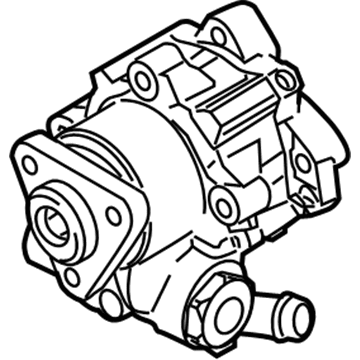
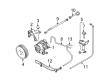
Audi Power Steering Pump Part Number: 8E0-145-155-P
$901.41 MSRP: $1165.37You Save: $263.96 (23%)Ships in 1-2 Business DaysProduct Specifications- Other Name: Pump
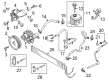
Audi Power Steering Pump Part Number: 4E0-145-155-N
$992.46 MSRP: $1283.08You Save: $290.62 (23%)Ships in 1-2 Business DaysProduct Specifications- Other Name: Pump
- Replaces: 7L8-422-154-A, 7L8-422-154-E
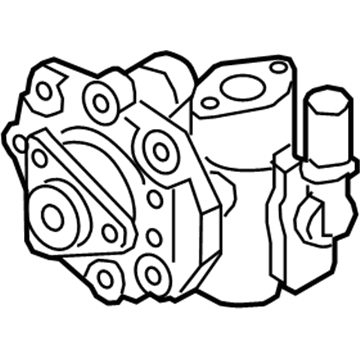
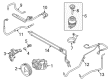
Audi Power Steering Pump Part Number: 4H0-145-156-N
$1309.35 MSRP: $1571.84You Save: $262.49 (17%)Ships in 1-2 Business DaysProduct Specifications- Other Name: Pump
- Replaces: 4H0-145-156-C
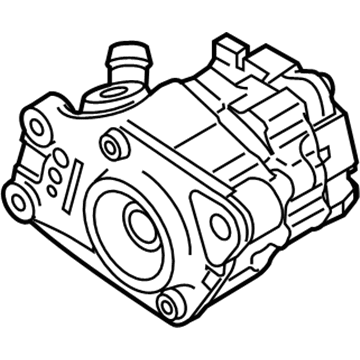
Audi Power Steering Pump Part Number: 4H0-145-156-P
$1569.12 MSRP: $1883.70You Save: $314.58 (17%)Ships in 1-2 Business DaysProduct Specifications- Other Name: Pump
- Replaces: 4H0-145-156-F, 4H0-145-155-A
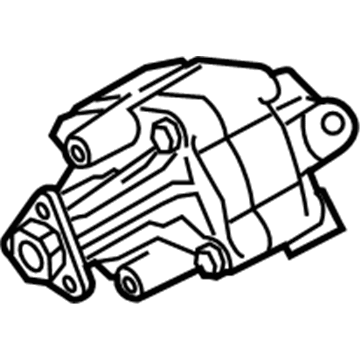
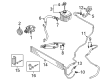
Audi Power Steering Pump Part Number: 7L8-422-153-D
$328.44 MSRP: $460.00You Save: $131.56 (29%)Ships in 1-2 Business DaysProduct Specifications- Other Name: Pump
- Replaces: 7L8-422-153-A, 7L8-422-153-B
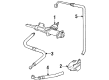
Audi Power Steering Pump Part Number: 026-145-155-BX
$327.33 MSRP: $458.33You Save: $131.00 (29%)Ships in 1-2 Business DaysProduct Specifications- Other Name: Pump
- Replaces: 026-145-155-B
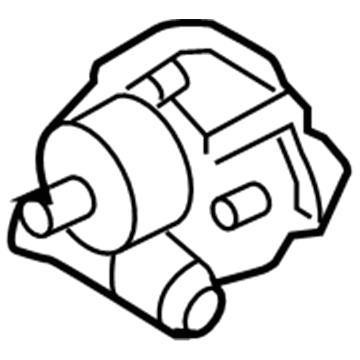
Audi Power Steering Pump Part Number: 8N0-145-154-A
$386.75 MSRP: $541.67You Save: $154.92 (29%)Ships in 1-2 Business DaysProduct Specifications- Other Name: Pump
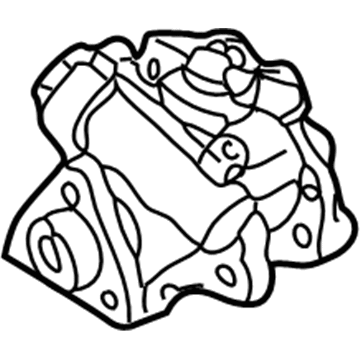
Audi Power Steering Pump Part Number: 8D0-145-156-NX
$368.10 MSRP: $513.33You Save: $145.23 (29%)Ships in 1-2 Business DaysProduct Specifications- Other Name: Pump
- Replaces: 8D0-145-156-N
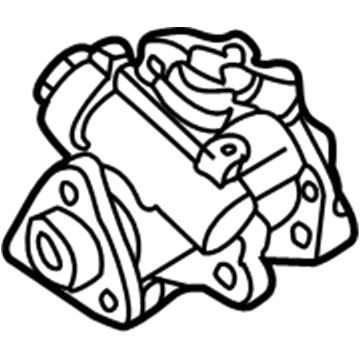
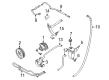
Audi Power Steering Pump Part Number: 4B0-145-156-N
$471.24 MSRP: $660.00You Save: $188.76 (29%)Ships in 1-2 Business DaysProduct Specifications- Other Name: Pump
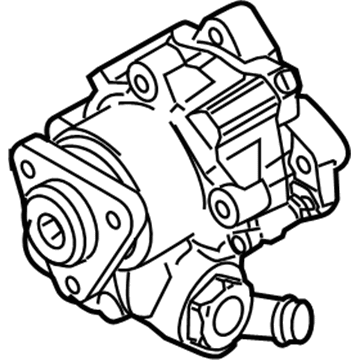
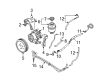
Audi Power Steering Pump Part Number: 4F0-145-155-C
$509.32 MSRP: $713.33You Save: $204.01 (29%)Ships in 1-2 Business DaysProduct Specifications- Other Name: Pump
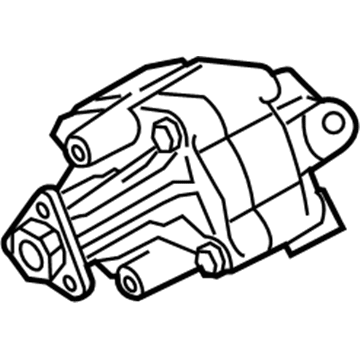
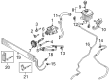
Audi Power Steering Pump Part Number: 7L8-422-153-F
$735.74 MSRP: $951.18You Save: $215.44 (23%)Ships in 1-2 Business DaysProduct Specifications- Other Name: Pump
| Page 1 of 3 |Next >
1-20 of 60 Results
Audi Power Steering Pump
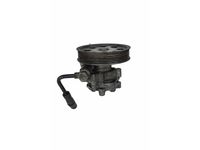
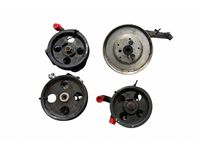
The Audi Power Steering Pump converts the rotation of the engine into smooth hydraulic assistance whereby anyone could guide a heavy vehicle with the ease of a finger. Audi started in 1909 and quickly established a reputation for engineering daring sedans, nippy SUVs, and the celebrated Quattro all-wheel drive that keeps your wheels securely down on the rain slick streets. Across the Audi lineup, owners enjoy sport performance with luxury. From the Virtual Cockpit displays that stream data in sharp graphics to the matrix headlights that carve tunnels of clarity through darkness, Audi is filling every cabin with intelligent technology while its e-tron program shows a strong commitment to sustainable speed. This heritage of innovation creates the environment for the Power Steering Pump, a compact hydraulic device that directs pressurized fluid through high-strength hoses to the rack and pinion so that the wheels follow instantly to the driver's input commands. Modern versions feature an electronic valve inside the Power Steering Pump which dials in more assist for tight parking maneuvers and dials in less assist at highway pace, providing consistent road feel and preventing overboost. Even in later models where electric steering motors are adopted, there still is a mechanical connection that enables steering control when assistance fails. Drivers can tell if a power steering unit is tired because it makes whining noises or fluid leaks out, but a healthy Power Steering Pump is quietly in the background, converting engine work into the trusted, balanced steering response that characterizes each Audi on city streets or winding mountain roads.
Stick with genuine OEM Power Steering Pump when you need quality that holds up. Audi crafts these parts to hit strict factory specs for every single unit. They also run each part through rigorous checks during production to maintain high quality. You can find exact Audi Power Steering Pump you need in our huge stock at AudiPartsGiant.com. You'll love our low, economical prices too. Every OEM part carries a real manufacturer's warranty, so you can buy with confidence. Returns aren't a headache here because our policy is simple. Plus, our speedy delivery gets orders out fast. Shop today and buy with total peace of mind.
Audi Power Steering Pump Parts and Q&A
- Q:How to disconnect and replace the power steering pump on Audi A4?A:Unplug the cable on the negative end of the battery and take off the drivebelt. In the case of four-cylinder models, lift the front of the vehicle and rest it on the jackstands, then take away the splash shield under the vehicle, the front bumper, and relocate the radiator support panel to the service position. Disconnect the power steering pump drivebelt, clamp both supply and return hoses around the power steering fluid reservoir to reduce the loss of fluid and wipe the area around the power steering pressure and return line fittings. Do this by unscrewing the banjo bolt and unscrewing the pressure line on the pump, and by placing a container under the pipe when doing it, in case of fluid spillage, and unscrewing the filling bolt. Un-plug the line and retrieve the sealing washers and dispose them as new ones would be required to be used during reassembly. Insert the end of the line and the orifice of the steering pump in order to reduce the fluid leakage and keep dirt out of the hydraulic system. Unscrew the clamp and unplug the hose of the fluid supply on the back of the power steering pump, and plug the end of the hose and cover the pump fluid port to avoid contamination. Unscrew the pump mounting fasteners, and dismount the pump off its bracket, observing that in some instances the mounting fasteners and the pulley may have to be detached off of the pump. In case the power steering pump is defective, it should be replaced since it is a closed system which cannot be serviced. In case new pump is to be installed, before it is started it should be primed with fluid to provide sufficient lubrication during the initial stages of operation otherwise it may run noisily and may fail within short time. In order to start the pump, add the required grade of hydraulic fluid in the fluid supply port of the pump and at the same time rotate the pump pulley until fluid is released to the pressure port. Install pump and screw in the mounting bolts and tighten the bolts to the torque. Install the pressure line to the pump using new sealing washers, and make sure that the line is correctly laid, and that the banjo bolt is tightened to the torque. Reconnect the supply hose up to the pump and lock up the retaining clip and then take off the hose clamps applied to ensure minimal loss of fluid. Attach the steering pump pulley (optional) will be removed, the power steering pump drivebelt, radiator support panel, the front bumper, and the bottom splash shield. Re-attach the negative battery cable, fill the hydraulic and bleed the hydraulic system. To work on V6 models, lift up the engine cover on the top, unscrew the pulley off the pump with a strap wrench so that it does not rotate, and unscrew the rear mount of the power steering pump with a long extension and socket above. Unscrew the banjo bolt and unattach the pressure line to the pump, expecting the spillage of fluid but take back the sealing washers, which should be disposed of and new ones got when assembling. Insert the end of the line and the orifice of the steering pump in order to reduce the fluid leakage and keep dirt out of the hydraulic system. Unclamp and unlink the hose supplying the fluid to the pump and seal the end of the hose and cover the pump fluid port to avoid contamination. Unbind the fasteners of the pump bracket mounting and loosen the pump and the bracket with the engine, and unattach the pump with the mounting bracket, by removing the fasteners. In case the power steering pump is defective, it should be replaced since it is a closed system which cannot be serviced. In case new pump is to be installed, before it is started it should be primed with fluid to provide sufficient lubrication during the initial stages of operation otherwise it may run noisily and may fail within short time. To start the pump, fill the pump by pouring the predetermined grade of power steering fluid to the fluid supply inlet on the pump and at the same time move the pump pulley until the fluid comes out of the pressure inlet. Install the mounting fasteners, position the pump and the bracket and tighten them to the torque. Install the pressure line to the pump using new sealing washers, and make sure that the line is correctly laid, and that the banjo bolt is tightened to the torque. Reconnect the supply hose up to the pump and lock up the retaining clip and then take off the hose clamps applied to ensure minimal loss of fluid. Connect the pulley with the bolts to the torque, put in place the ignition coil assembly, and the top cover of the engine. Connect the negative battery cable again, refill the power steering fluid and bleed the system.
- Q:How to remove and install the Power Steering Pump and its components in 2.7 liter biturbo engine on Audi A6?A:Remove the front bumper and bring the front lock carrier into the service position. Remove the bolts and the front engine cover. Counter hold the viscous fan pulley using a VAG 3212 spanner wrench and remove the viscous fan with a VAG 3312 open-end wrench, noting that the viscous fan has a left-hand thread. Lift the viscous fan out. Before removing the engine accessory belt, mark the direction of rotation with chalk or a felt-tip marker. To loosen the accessory belt, turn the tensioner clockwise with a 17 mm box wrench until the two holes are aligned, then lock in position using a VAG 3204 drift. Remove the accessory belt from the belt pulley and the turbo pressure duct mounting bolts, then remove the ducts, paying attention to the retaining strips. Unbolt the belt pulley for the power steering pump while counter holding with a VAG 3212 spanner. Pinch off the intake line using a VAG 3094 hose clamp and disconnect the harness connector at the charge air pressure sensor. Remove the rubber shroud, open the clamp, and disconnect the intake hose from the pump. Unbolt the pressure line and remove the power steering pump bracket fasteners. Remove the pump along with the bracket and unbolt the power steering pump from the bracket. When installing, fill the intake side of the new pump with hydraulic fluid and turn it by hand until fluid comes out the pump side, cleaning any areas in the engine compartment covered with fluid. Bolt the pump to the bracket, tightening the front two bolts first, followed by the rear two bolts. Install new seals on the banjo bolt and tighten the banjo bolt for the pressure line to 50 Nm. Install the intake hose, aligning the mark with the flash on the pump, and remove the VAG 3094 hose clamps. Tighten the Allen bolts for the power steering pump belt pulley, install the viscous fan, and the lock carrier. Finally, install the bumper, fill and bleed the steering system, and check for leaks.
Related Audi Parts
 Audi Power Steering Hose
 Audi Rack And Pinion
 Audi Steering Column
 Audi Tie Rod
 Audi Power Steering Cooler
 Audi Power Steering Cylinder Boot Kit
 Audi Power Steering Pump Pulley
 Audi Power Steering Reservoir
 Audi Rack and Pinion Boot
 Audi Radius Heat Shield
 Audi Tie Rod End
 Audi Universal Joint
Browse by Model
100 Power Steering Pump 100 Quattro Power Steering Pump 200 Power Steering Pump 200 Quattro Power Steering Pump 4000 Power Steering Pump 4000 Quattro Power Steering Pump 5000 Power Steering Pump 5000 Quattro Power Steering Pump 80 Power Steering Pump 80 Quattro Power Steering Pump 90 Power Steering Pump 90 Quattro Power Steering Pump A4 Power Steering Pump A4 Quattro Power Steering Pump A5 Power Steering Pump A5 Quattro Power Steering Pump A6 Power Steering Pump A6 Quattro Power Steering Pump A8 Power Steering Pump A8 Quattro Power Steering Pump Allroad Quattro Power Steering Pump Cabriolet Power Steering Pump Coupe Power Steering Pump Coupe Quattro Power Steering Pump Q5 Power Steering Pump Q7 Power Steering Pump Quattro Power Steering Pump R8 Power Steering Pump RS4 Power Steering Pump S4 Power Steering Pump S5 Power Steering Pump S6 Power Steering Pump S8 Power Steering Pump TT Power Steering Pump TT Quattro Power Steering Pump V8 Quattro Power Steering Pump