×
- Hello
- Login or Register
- Quick Links
- Live Chat
- Track Order
- Parts Availability
- RMA
- Help Center
- Contact Us
- Shop for
- Audi Parts

My Garage
My Account
Cart
Genuine Audi Brake Hose
Brake Line- Select Vehicle by Model
- Select Vehicle by VIN
Select Vehicle by Model
orMake
Model
Year
Select Vehicle by VIN
For the most accurate results, select vehicle by your VIN (Vehicle Identification Number).
141 Brake Hoses found
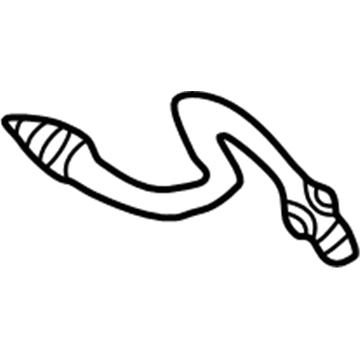
Audi Brake Line Part Number: 8D0-611-721-F
$17.06 MSRP: $27.30You Save: $10.24 (38%)Ships in 1-2 Business DaysProduct Specifications- Position: Driver Side
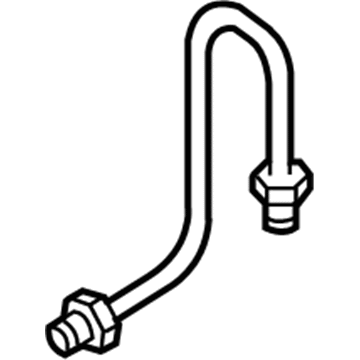
Audi Brake Line Part Number: 7L0-614-772-A
$25.74 MSRP: $41.18You Save: $15.44 (38%)Ships in 1-2 Business DaysProduct Specifications- Position: Passenger Side
- Replaces: 7L0-614-772
Audi Brake Line Part Number: 8D0-611-722-F
$21.36 MSRP: $34.19You Save: $12.83 (38%)Ships in 1-2 Business DaysProduct Specifications- Position: Passenger Side
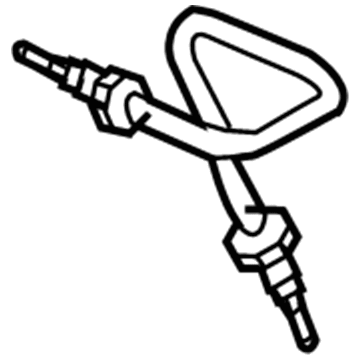
Audi Brake Line Part Number: 8E0-611-721-A
$25.74 MSRP: $41.18You Save: $15.44 (38%)Ships in 1-2 Business DaysProduct Specifications- Position: Driver Side
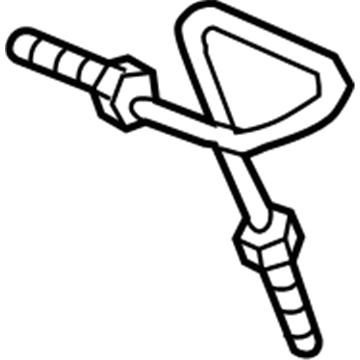
Audi Brake Line Part Number: 8E0-611-721-B
$25.74 MSRP: $41.18You Save: $15.44 (38%)Ships in 1-2 Business DaysProduct Specifications- Position: Driver Side
- Replaces: 8D0-611-721-D
Audi Brake Line Part Number: 8E0-611-722-A
$25.74 MSRP: $41.18You Save: $15.44 (38%)Ships in 1-2 Business DaysProduct Specifications- Position: Passenger Side
Audi Brake Line Part Number: 8E0-611-722-B
$25.74 MSRP: $41.18You Save: $15.44 (38%)Ships in 1-2 Business DaysProduct Specifications- Position: Passenger Side
- Replaces: 8D0-611-722-D
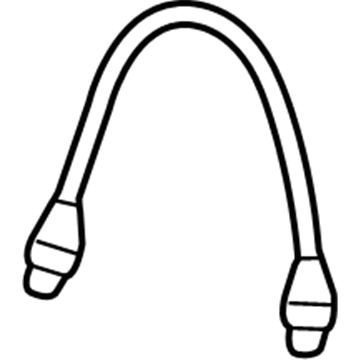
Audi Brake Hose Part Number: 1K0-611-775-C
$36.36 MSRP: $58.18You Save: $21.82 (38%)Ships in 1-2 Business DaysProduct Specifications- Other Name: Hose; Flex Hose
Audi Brake Line Part Number: 4B3-611-721-C
$27.51 MSRP: $44.01You Save: $16.50 (38%)Ships in 1-2 Business DaysProduct Specifications- Position: Driver Side
- Replaces: 4B3-611-721-B
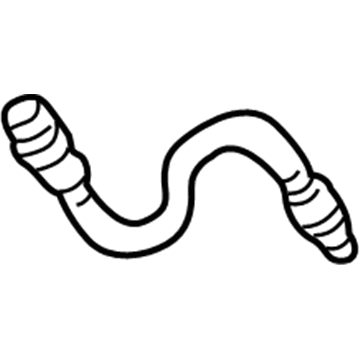
Audi Brake Hose Part Number: 6Q0-611-775-B
$36.89 MSRP: $50.82You Save: $13.93 (28%)Ships in 1-2 Business DaysProduct Specifications- Other Name: Hose; Flex Hose
- Replaces: 6Q0-611-775-A, 6X0-611-775
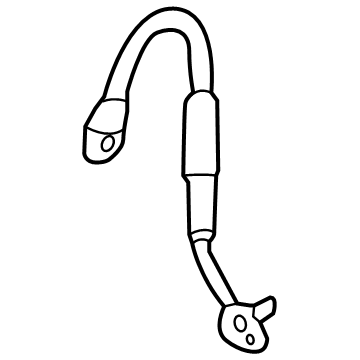
Audi Brake Hose Part Number: 5Q0-611-775-Q
$37.62 MSRP: $51.82You Save: $14.20 (28%)Ships in 1-2 Business DaysProduct Specifications- Other Name: Hose; Flex Hose
Audi Brake Line Part Number: 8E0-611-721-F
$37.49 MSRP: $59.98You Save: $22.49 (38%)Ships in 1-2 Business DaysProduct Specifications- Position: Driver Side
- Replaces: 8E0-611-721-D
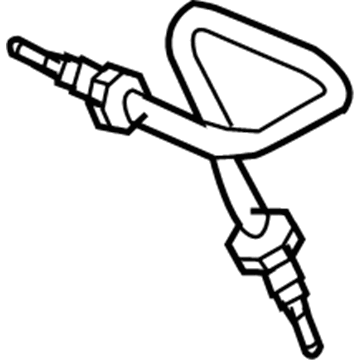
Audi Brake Line Part Number: 8E0-614-723-AE
$35.31 MSRP: $56.50You Save: $21.19 (38%)Ships in 1-2 Business DaysProduct Specifications- Position: Driver Side
- Replaces: 8E0-614-723-AG
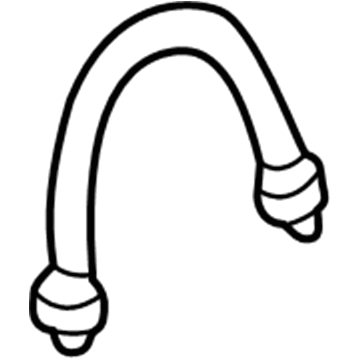

Audi Brake Hose Part Number: 8D0-611-775-B
$36.25 MSRP: $58.00You Save: $21.75 (38%)Ships in 1-2 Business DaysProduct Specifications- Other Name: Hose; Flex Hose
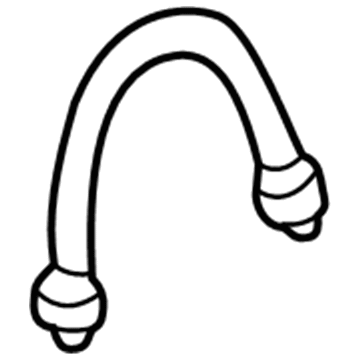
Audi Brake Hose Part Number: 8D0-611-775-D
$36.25 MSRP: $58.00You Save: $21.75 (38%)Ships in 1-2 Business DaysProduct Specifications- Other Name: Hose; Flex Hose
- Replaces: 443-611-775-F
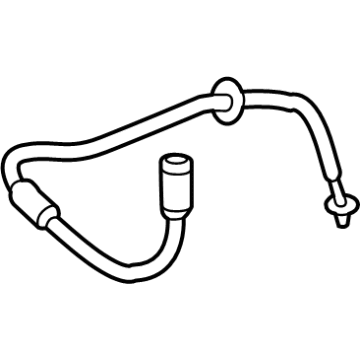
Audi Brake Hose Part Number: 4M0-611-707-E
$78.54 MSRP: $110.01You Save: $31.47 (29%)Ships in 1-2 Business DaysProduct Specifications- Other Name: Hose; Flex Hose
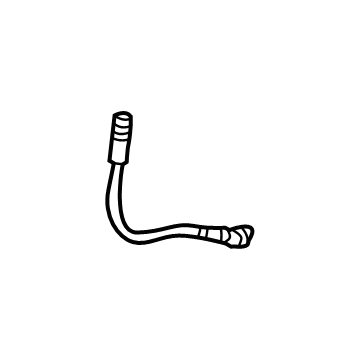
Audi Brake Hose Part Number: 4N0-611-775
$41.97 MSRP: $57.82You Save: $15.85 (28%)Ships in 1-2 Business DaysProduct Specifications- Other Name: Hose; Flex Hose
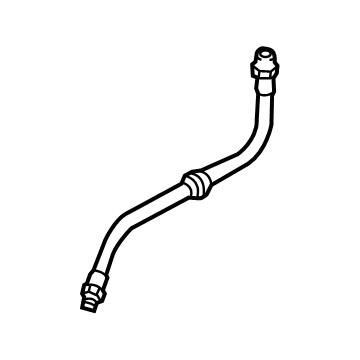
Audi Brake Hose Part Number: 80A-611-775
$77.35 MSRP: $108.33You Save: $30.98 (29%)Ships in 1-2 Business DaysProduct Specifications- Other Name: Hose; Flex Hose
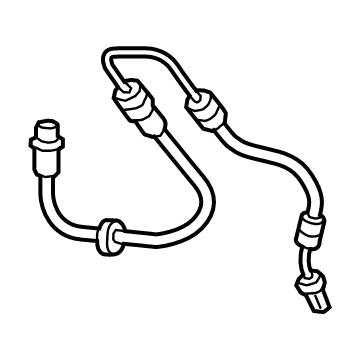
Audi Brake Hose Part Number: 83A-611-707-B
$69.01 MSRP: $96.65You Save: $27.64 (29%)Ships in 1-2 Business DaysProduct Specifications- Other Name: Hose; Flex Hose
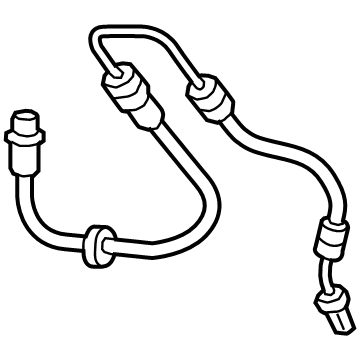
Audi Brake Hose Part Number: 8W0-611-707-H
$76.03 MSRP: $106.48You Save: $30.45 (29%)Ships in 1-2 Business DaysProduct Specifications- Other Name: Hose; Flex Hose
- Position: Driver Side
| Page 1 of 8 |Next >
1-20 of 141 Results
Audi Brake Hose
The Audi Brake Hose supplies precise hydraulic pressure to each caliper, which provides the entire range with crisp pedal feel and shorter stopping distances. Audi earned its reputation with more than a century of innovation, from winning rallies with Quattro all-wheel drive to dazzling matrix headlights and intuitive Virtual Cockpit displays, and drivers love the way these technologies work together to make every journey safe, fast, and engaging. The brand also pushes boundaries with e-tron electric power and ongoing tests of automated driving, proving that Audi refuses to slow its progress toward a cleaner and smarter future. Strong build quality, athletic styling, and interiors trimmed in premium materials make Audi a favorite for anyone who values both comfort and performance. While powertrains, suspensions, and infotainment will be updated, the reliable feel of the brake pedal remains a fundamental promise. Inside that hydraulic system, the Brake Hose has to flex with the movement of the wheel, but it also has to remain sealed, so the modern versions feature tough synthetic liners with steel braiding that is resistant to expansion under pressure. A good Brake Hose ensures no fluid leaks, short pedal travel, and aids in anti-lock control to react instantly, characteristics that benefit every sedan, SUV, and sport model donning the four rings. Regular visual inspections for cracks, bulges, or wet spots enable owners to replace a worn-out Brake Hose before feel becomes spongy and protect the consistently high braking standards expected from Audi.
Stick with genuine OEM Brake Hose when you need quality that holds up. Audi crafts these parts to hit strict factory specs for every single unit. They also run each part through rigorous checks during production to maintain high quality. You can find exact Audi Brake Hose you need in our huge stock at AudiPartsGiant.com. You'll love our low, economical prices too. Every OEM part carries a real manufacturer's warranty, so you can buy with confidence. Returns aren't a headache here because our policy is simple. Plus, our speedy delivery gets orders out fast. Shop today and buy with total peace of mind.
Audi Brake Hose Parts and Q&A
- Q: How to check the brake hose for leaks and damage in the entire hydraulic circuit on Audi A3?A:Check the entire brake hydraulic circuit for leaks and damage, starting with the master cylinder in the engine compartment while also inspecting the vacuum servo unit and ABS units for signs of fluid leakage. Raise the front and rear of the vehicle and support it on axle stands, then examine the rigid hydraulic brake lines for corrosion and damage. At the front, ensure that the flexible hydraulic hoses to the calipers are not twisted or chafing against surrounding suspension components by turning the steering on full lock. Additionally, verify that the hoses are not brittle or cracked before lowering the vehicle to the ground after completing the checks.
- Q: How often should you inspect the brake hose connecting the steel brake lines to the brake assemblies, and what steps should you follow during this inspection and replacement process on Audi A4?A:Check the rubber hoses that join the steel brake lines to the front and rear brake assemblies once a year with the vehicle in the air and its safe support on jackstands to check the brake lines, cracks, chafing, leaks, blisters, and other damage as this is a very vital part of the brake system. Checking to ensure that there is no weak spot in a hose should also be done using light and mirror and any hose that looks worn should be replaced. In the case of the front brake hose, weaken the wheel bolts, lift the car and take off the wheel. Mark the location of small tabs on the hose fitting into the frame bracket so that they do not rotate. Install the hose fitting with an open-end wrench and install the brake line fitting with a flare-nut wrench to ensure that the nut is not rounded, ensuring that the spring on the hose fitting does not get lost. On the caliper end, a flare nut wrench is required to separate the hose fitting. Take the grommet out of the bracket at the lower end of the strut and push the hose. Installation of the new hose involves attaching the grommet on the hose and feeding it through the strut bracket and attaching the fitting to the caliper and tightening it. When inserting the fitting in the frame bracket, make sure that the hose is not twisted and then connect the line fitting and secure. In the case of the rear brake hose, unscrew the fitting of the hose, take care of the spring clip, and unscrew the hose of the caliper, and replace the sealing washers with new ones during reconnecting. Regarding the replacement of brake lines, genuine steel parts should be used and it is important to make sure that the new line is adequately supported and free of moving parts. Once installed, verify the level of fluid in the master cylinder, apply fluid when necessary and then be sure to bleed the brake system and then test the brakes thoroughly.
Related Audi Parts
 Audi Crankshaft Position Sensor
 Audi Intake Manifold
 Audi Clutch Master Cylinder
 Audi Crankshaft
 Audi Fuel Filter
 Audi Axle Bearing Lock Rings
 Audi Canister Purge Valves
 Audi Coolant Pipe Seal
 Audi Idler Pulley Bolt
 Audi Rack and Pinion Boot
 Audi Vapor Canister Purge Solenoid
 Audi Washer Reservoir
Browse by Model
100 Brake Hose 100 Quattro Brake Hose 200 Brake Hose 200 Quattro Brake Hose 4000 Brake Hose 4000 Quattro Brake Hose 5000 Brake Hose 5000 Quattro Brake Hose 80 Brake Hose 80 Quattro Brake Hose 90 Brake Hose 90 Quattro Brake Hose A3 Brake Hose A3 Quattro Brake Hose A3 Sportback e-tron Brake Hose A4 allroad Brake Hose A4 Brake Hose A4 Quattro Brake Hose A5 Brake Hose A5 Quattro Brake Hose A5 Sportback Brake Hose A6 allroad Brake Hose A6 Brake Hose A6 Quattro Brake Hose A7 Quattro Brake Hose A7 Sportback Brake Hose A8 Brake Hose A8 Quattro Brake Hose allroad Brake Hose Allroad Quattro Brake Hose Cabriolet Brake Hose Coupe Brake Hose Coupe Quattro Brake Hose e-tron GT Brake Hose e-tron Quattro Brake Hose e-tron S Brake Hose e-tron S Sportback Brake Hose e-tron Sportback Brake Hose Q3 Brake Hose Q3 Quattro Brake Hose Q4 e-tron Brake Hose Q4 e-tron Sportback Brake Hose Q5 Brake Hose Q5 PHEV Brake Hose Q5 Sportback Brake Hose Q7 Brake Hose Q8 Brake Hose Q8 e-tron Brake Hose Q8 e-tron Sportback Brake Hose Quattro Brake Hose R8 Brake Hose RS e-tron GT Brake Hose RS Q8 Brake Hose RS3 Brake Hose RS4 Brake Hose RS5 Brake Hose RS5 Sportback Brake Hose RS6 Avant Brake Hose RS6 Brake Hose RS7 Brake Hose RS7 Sportback Brake Hose S3 Brake Hose S4 Brake Hose S5 Brake Hose S5 Sportback Brake Hose S6 Brake Hose S7 Brake Hose S7 Sportback Brake Hose S8 Brake Hose SQ5 Brake Hose SQ5 Sportback Brake Hose SQ7 Brake Hose SQ8 Brake Hose TT Brake Hose TT Quattro Brake Hose TT RS Quattro Brake Hose TTS Quattro Brake Hose V8 Quattro Brake Hose