×
- Hello
- Login or Register
- Quick Links
- Live Chat
- Track Order
- Parts Availability
- RMA
- Help Center
- Contact Us
- Shop for
- Audi Parts

My Garage
My Account
Cart
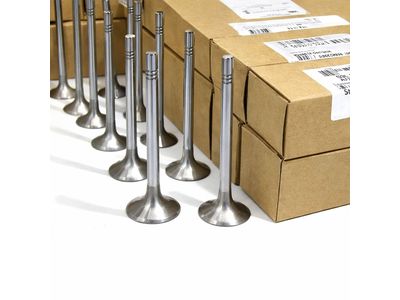
Genuine Audi Intake Valve
Engine Intake Valve- Select Vehicle by Model
- Select Vehicle by VIN
Select Vehicle by Model
orMake
Model
Year
Select Vehicle by VIN
For the most accurate results, select vehicle by your VIN (Vehicle Identification Number).
20 Intake Valves found
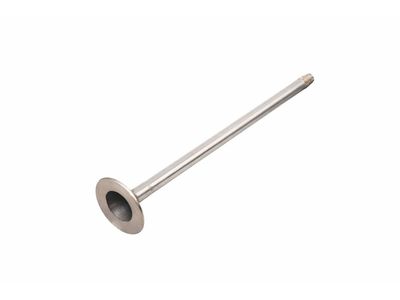
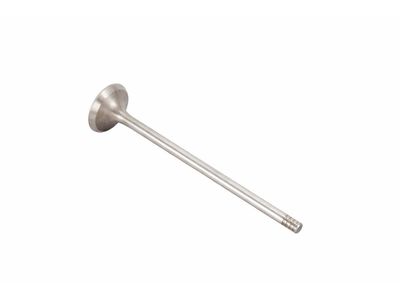

Audi Intake Valve Part Number: 022-109-601-F
$61.87 MSRP: $86.65You Save: $24.78 (29%)Ships in 1-2 Business DaysProduct Specifications- Other Name: Valve
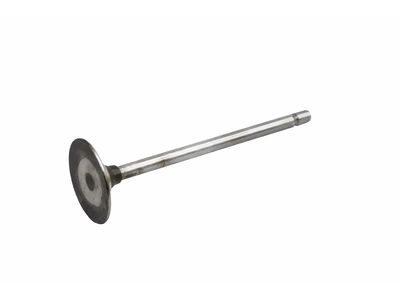
Audi Intake Valve Part Number: 06M-109-601-G
$77.34 MSRP: $108.32You Save: $30.98 (29%)Ships in 1-2 Business DaysProduct Specifications- Other Name: Valve
- Replaces: 06M-109-601-E
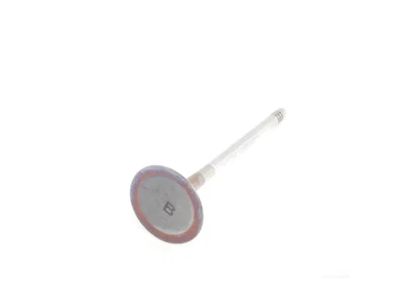
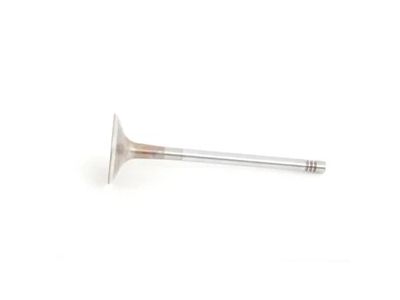
Audi Intake Valve Part Number: 079-109-601-B
$81.98 MSRP: $114.82You Save: $32.84 (29%)Ships in 1-2 Business DaysProduct Specifications- Other Name: Valve
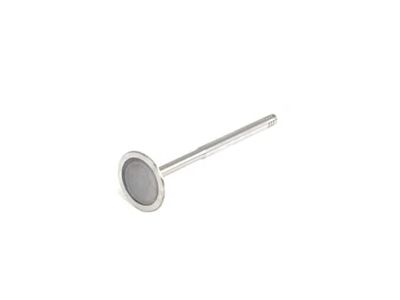
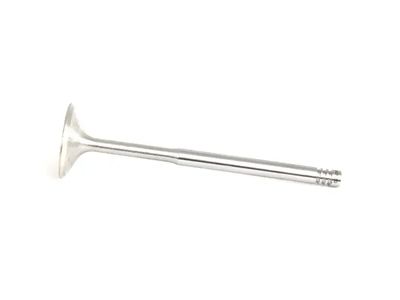
Audi Intake Valve Part Number: 077-109-601-Q
$83.29 MSRP: $116.66You Save: $33.37 (29%)Ships in 1-2 Business DaysProduct Specifications- Other Name: Valve
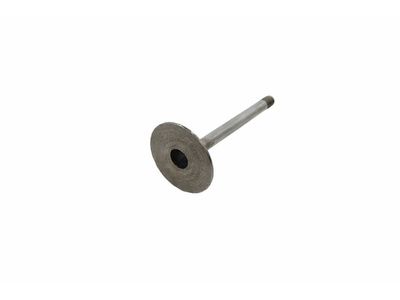
Audi Intake Valve Part Number: 048-109-601-A
$38.02 MSRP: $52.37You Save: $14.35 (28%)Ships in 1-2 Business DaysProduct Specifications- Other Name: Valve
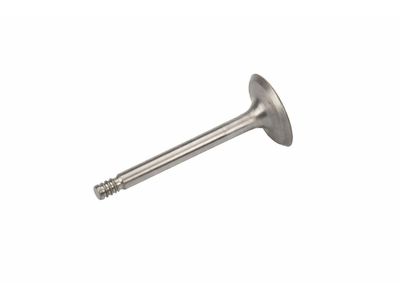
Audi Intake Valve Part Number: 035-109-601-K
$38.64 MSRP: $53.22You Save: $14.58 (28%)Ships in 1-2 Business DaysProduct Specifications- Other Name: Valve
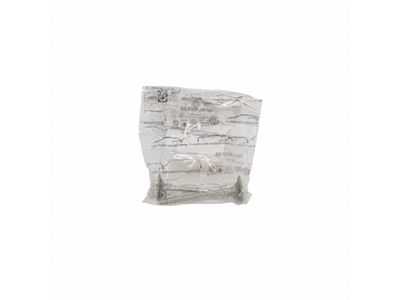
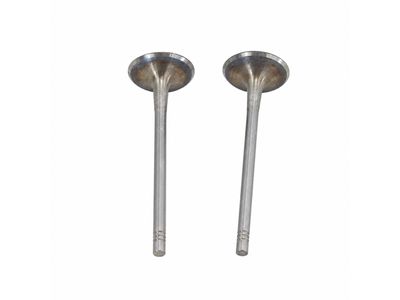
Audi Intake Valve Part Number: 06L-109-601
$50.81 MSRP: $69.98You Save: $19.17 (28%)Ships in 1-2 Business DaysProduct Specifications- Other Name: Valve
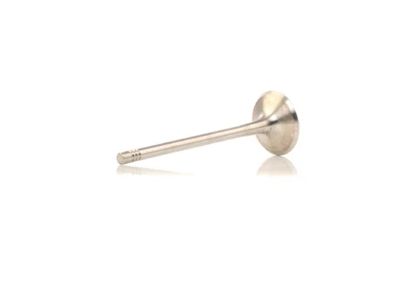
Audi Intake Valve Part Number: 079-109-601-E
$53.24 MSRP: $73.34You Save: $20.10 (28%)Ships in 1-2 Business DaysProduct Specifications- Other Name: Valve
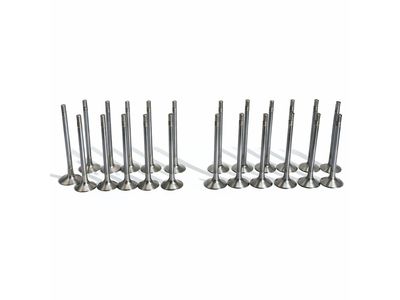
Audi Intake Valve Part Number: 059-109-601-G
$57.22 MSRP: $78.81You Save: $21.59 (28%)Ships in 1-2 Business DaysProduct Specifications- Other Name: Valve

Audi Intake Valve Part Number: 022-109-601-G
$17.95 MSRP: $28.73You Save: $10.78 (38%)Ships in 1-2 Business DaysProduct Specifications- Other Name: Valve
Audi Intake Valve Part Number: 06L-109-601-L
$61.87 MSRP: $86.65You Save: $24.78 (29%)Ships in 1-2 Business DaysProduct Specifications- Other Name: Valve
Audi Intake Valve Part Number: 06L-109-601-C
$61.87 MSRP: $86.65You Save: $24.78 (29%)Ships in 1-2 Business DaysProduct Specifications- Other Name: Valve
Audi Intake Valve Part Number: 06D-109-601-M
$61.87 MSRP: $86.65You Save: $24.78 (29%)Ships in 1-2 Business DaysProduct Specifications- Other Name: Valve
Audi Intake Valve Part Number: 077-109-601-K
$64.26 MSRP: $90.00You Save: $25.74 (29%)Ships in 1-2 Business DaysProduct Specifications- Other Name: Valve
Audi Intake Valve Part Number: 06M-109-601-D
$74.96 MSRP: $104.99You Save: $30.03 (29%)Ships in 1-2 Business DaysProduct Specifications- Other Name: Valve

Audi Intake Valve Part Number: 058-109-601-C
$80.91 MSRP: $113.31You Save: $32.40 (29%)Ships in 1-2 Business DaysProduct Specifications- Other Name: Valve
Audi Intake Valve Part Number: 06L-109-601-F
$36.94 MSRP: $50.88You Save: $13.94 (28%)Ships in 1-2 Business DaysProduct Specifications- Other Name: Valve
Audi Exhaust Valve Part Number: 0P2-109-611-A
$41.14 MSRP: $56.67You Save: $15.53 (28%)Ships in 1-2 Business DaysProduct Specifications- Other Name: Valve
Audi Intake Valve Part Number: 06D-109-601-AC
$53.59 MSRP: $73.82You Save: $20.23 (28%)Ships in 1-2 Business DaysProduct Specifications- Other Name: Valve
- Replaces: 06D-109-601-AB
Audi Intake Valve Part Number: 035-109-601-F
$29.80 MSRP: $39.73You Save: $9.93 (25%)Ships in 1-2 Business DaysProduct Specifications- Other Name: Valve
Audi Intake Valve
Audi Intake Valve controls the air flow to ensure sharp combustion and provide each engine in the range with dynamic power. Audi has established a reputation for combining refined comfort and heady performance, from early powerplants that were cooled with water to modern-day Quattro all wheel drive that keeps traction confident on icy roads. The brand enhances everyday driving with Virtual Cockpit screens that bring vital info at a glance and matrix headlights that carve clear paths at night, while its expanding e-tron family heralds an audacious electric future. Continuous road testing of automated systems demonstrates how Audi is continuing to push the boundaries to make travel safer, cleaner and more enjoyable. In this forward thinking environment, the Intake Valve is a silent hero. Each Intake Valve opens up during the intake stroke, which allows the exact mixture of air and fuel to rush into the combustion chamber, then seals shut so compression remains strong and efficiency remains high. Its accurate timing helps engines achieve smooth idle, fast throttle response and satisfying fuel economy on sedans, SUVs and sport models alike. Built from heat resistant alloys, an Intake Valve will not warp with extreme temperatures to ensure power delivery is consistent mile after mile. When all Intake Valves are operating perfectly, Audi owners experience the smooth surge that epitomizes the brand's dynamic personality.
Stick with genuine OEM Intake Valve when you need quality that holds up. Audi crafts these parts to hit strict factory specs for every single unit. They also run each part through rigorous checks during production to maintain high quality. You can find exact Audi Intake Valve you need in our huge stock at AudiPartsGiant.com. You'll love our low, economical prices too. Every OEM part carries a real manufacturer's warranty, so you can buy with confidence. Returns aren't a headache here because our policy is simple. Plus, our speedy delivery gets orders out fast. Shop today and buy with total peace of mind.
Audi Intake Valve Parts and Q&A
- Q:Is thorough cleaning and detailed inspection of the cylinder head and intake valve components essential for determining necessary valve service work during engine overhaul on Audi A3?A:A detailed cleaning and careful inspection of the cylinder head and valve components are indispensable in establishing the required valve service work in performing engine overhaul. Start by applying an appropriate degreasing agent to the cylinder head to loosen oil deposits and then clean the surface of camshaft bearing areas, hydraulic tappet bore, valve guide and oilway and scrape off the old gasket material being careful not to harm the mating surfaces. Roll the head in order to scrape the carbon deposits off the combustion chambers and ports, then wash all of the head casting using a solvent. Clean the valve heads and stems with a fine wire brush, scraping off the heavy carbon deposits first, and cleaning all other parts thoroughly with solvent, and leaving them to dry thoroughly before reassembling with discarding old oil seals and replacing them with new ones. Check the head castings and look at any form of damage or cracks especially in the area of valve seat and also valve plug/fuel injector holes, where slight cracks can be reused in some engines, but severe damage requires replacement. Repair of valve seats can be done by lapping during reassembly, although any reworking must not exceed maximum allowable dimensions that can be determined by the distance between the valve stem and surface of the cylinder head. Check distortion of gasket surface surfaces Test with a straight-edge and feeler blade and check numerous measurements on the surface of the head gasket and compare with values. In 1.6 litre SOHC petrol engines, machining can be done provided distortion limits are not surpassed, but other engines need head renewal in cases when limits are surpassed. Check wear on every valve, stems being ridged and diameters being measured with a micrometer, a head of the valve not being cracked or badly pitted, shallow pitting being remediable by lapping. Check that the valve stem end face is not over-pitted, which may signify faulty hydraulic tappets, and by vernier calliper check the free length of valve springs, against new parts as springs are usually replaced during major overhauls. Visual inspection is also necessary to check the squareness of all springs and renew distorted springs, and to replace valve stem oil seals irrespective of their condition.
Related Audi Parts
 Audi Cylinder Head Gasket
 Audi Dipstick Tube
 Audi Piston
 Audi Timing Cover
 Audi Balance Shaft Gear
 Audi Rod Bearing
 Audi Timing Chain Guide
 Audi Timing Cover Gasket
 Audi Transmission Oil Cooler
 Audi Valve Lifter
 Audi Valve Spring Retainer Keeper
 Audi Variable Timing Solenoid
Browse by Model
100 Intake Valve 100 Quattro Intake Valve 200 Intake Valve 200 Quattro Intake Valve 4000 Quattro Intake Valve 5000 Intake Valve 5000 Quattro Intake Valve 80 Intake Valve 80 Quattro Intake Valve 90 Intake Valve 90 Quattro Intake Valve A3 Intake Valve A3 Quattro Intake Valve A4 allroad Intake Valve A4 Intake Valve A4 Quattro Intake Valve A5 Intake Valve A5 Quattro Intake Valve A5 Sportback Intake Valve A6 allroad Intake Valve A6 Intake Valve A6 Quattro Intake Valve A7 Quattro Intake Valve A7 Sportback Intake Valve A8 Intake Valve A8 Quattro Intake Valve allroad Intake Valve Allroad Quattro Intake Valve Coupe Intake Valve Coupe Quattro Intake Valve Q3 Intake Valve Q3 Quattro Intake Valve Q5 Intake Valve Q5 PHEV Intake Valve Q7 Intake Valve Q8 Intake Valve Quattro Intake Valve R8 Intake Valve RS Q8 Intake Valve RS3 Intake Valve RS4 Intake Valve RS5 Intake Valve RS5 Sportback Intake Valve RS6 Avant Intake Valve RS7 Intake Valve RS7 Sportback Intake Valve S3 Intake Valve S4 Intake Valve S5 Intake Valve S5 Sportback Intake Valve S6 Intake Valve S7 Intake Valve S7 Sportback Intake Valve S8 Intake Valve SQ5 Intake Valve SQ5 Sportback Intake Valve SQ7 Intake Valve SQ8 Intake Valve TT Intake Valve TT Quattro Intake Valve TT RS Quattro Intake Valve TTS Quattro Intake Valve