×
- Hello
- Login or Register
- Quick Links
- Live Chat
- Track Order
- Parts Availability
- RMA
- Help Center
- Contact Us
- Shop for
- Audi Parts

My Garage
My Account
Cart
Genuine Audi A3 Oil Pan
Oil Drain Pan- Select Vehicle by Model
- Select Vehicle by VIN
Select Vehicle by Model
orMake
Model
Year
Select Vehicle by VIN
For the most accurate results, select vehicle by your VIN (Vehicle Identification Number).
13 Oil Pans found
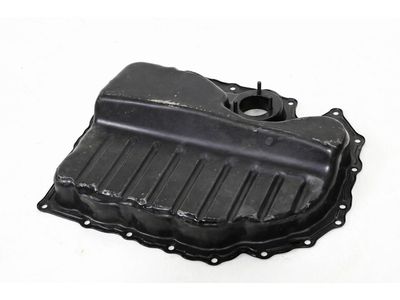
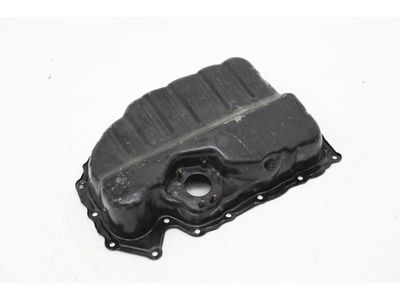
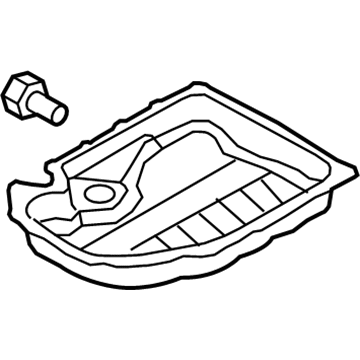
Audi A3 Lower Oil Pan Part Number: 06J-103-600-AF
$189.72 MSRP: $265.71You Save: $75.99 (29%)Ships in 1-2 Business Days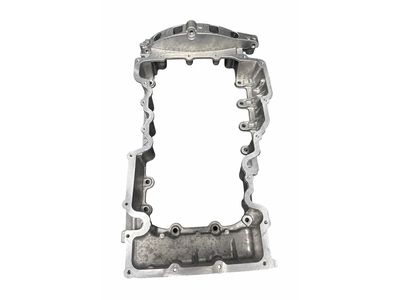
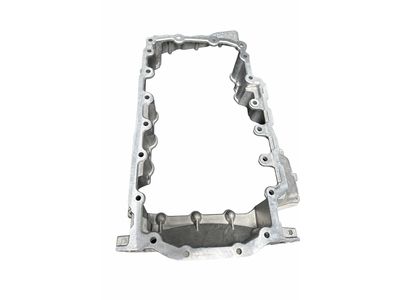
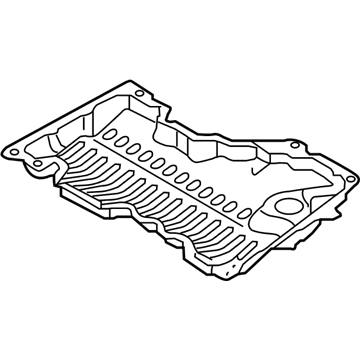
Audi A3 Lower Oil Pan Part Number: 04L-103-602-A
$205.98 MSRP: $288.47You Save: $82.49 (29%)Ships in 1-2 Business Days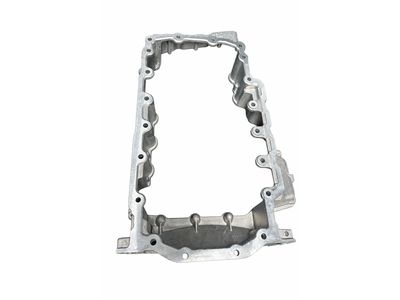
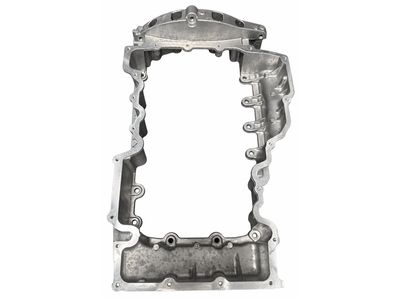
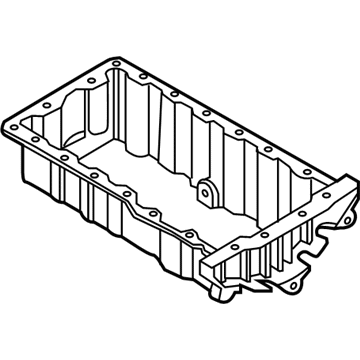
Audi A3 Oil Pan Part Number: 04L-103-603
$232.05 MSRP: $325.00You Save: $92.95 (29%)Ships in 1-2 Business Days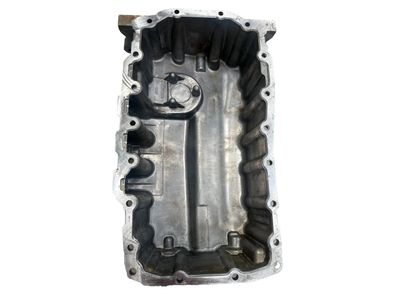
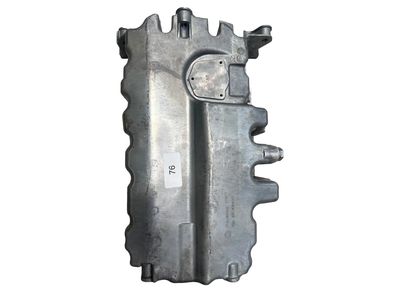
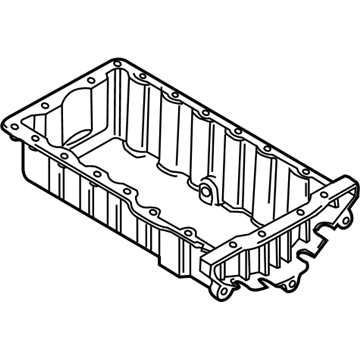
Audi A3 Oil Pan Part Number: 03G-103-603-AD
$257.14 MSRP: $360.14You Save: $103.00 (29%)Ships in 1-2 Business Days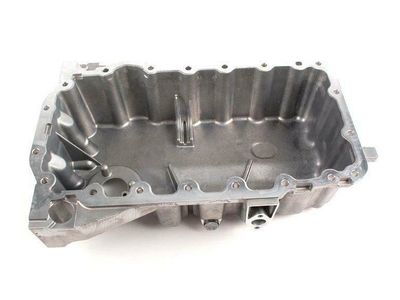
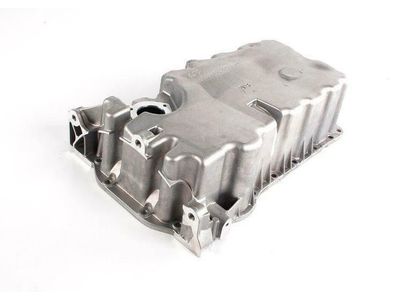
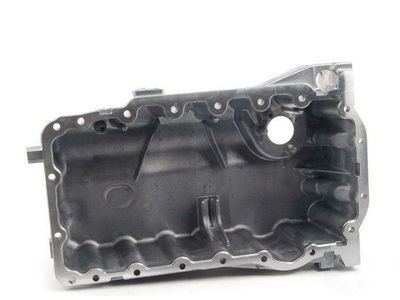
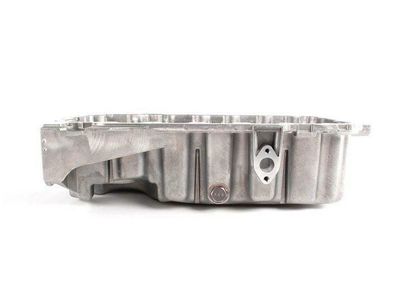
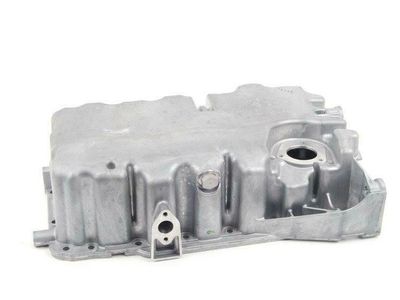
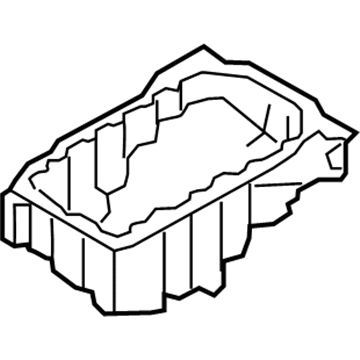
Audi A3 Oil Pan Part Number: 06F-103-601-J
$258.46 MSRP: $361.97You Save: $103.51 (29%)Ships in 1-2 Business Days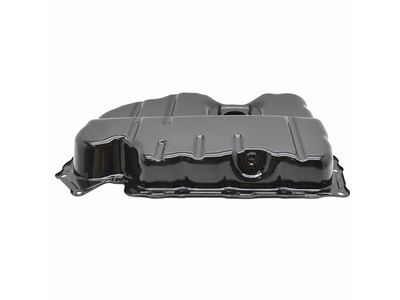
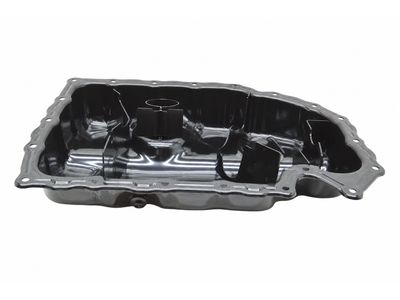
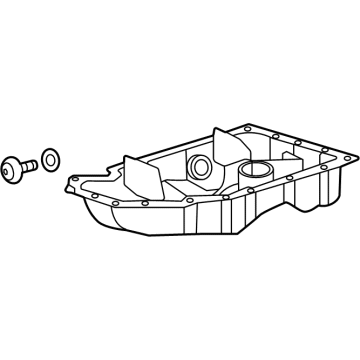
Audi A3 Lower Oil Pan Part Number: 06K-103-600-AF
$268.95 MSRP: $376.67You Save: $107.72 (29%)Ships in 1-2 Business Days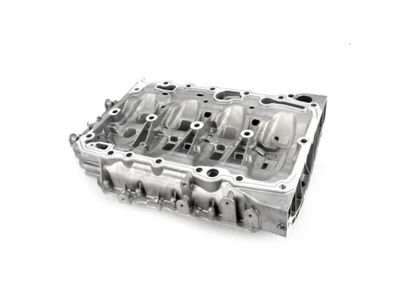
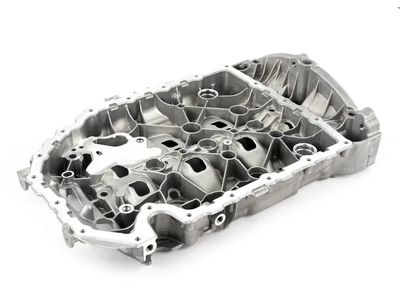
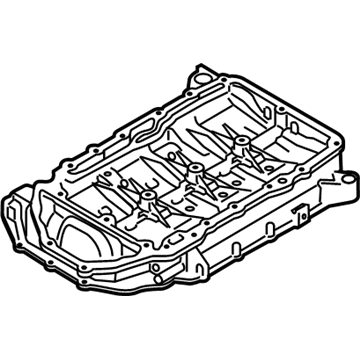
Audi A3 Upper Oil Pan Part Number: 06K-103-603-BF
$308.31 MSRP: $431.80You Save: $123.49 (29%)Ships in 1-2 Business Days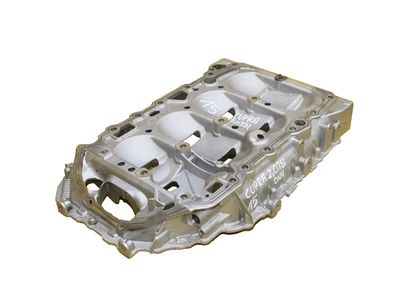
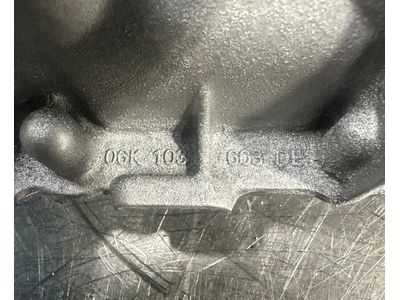
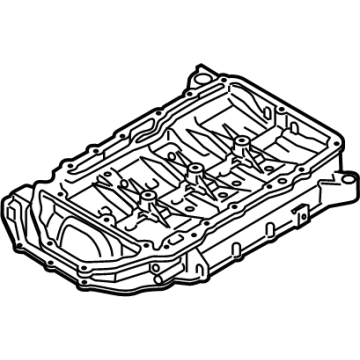
Audi A3 Upper Oil Pan Part Number: 06K-103-603-DE
$341.10 MSRP: $477.74You Save: $136.64 (29%)Ships in 1-2 Business Days
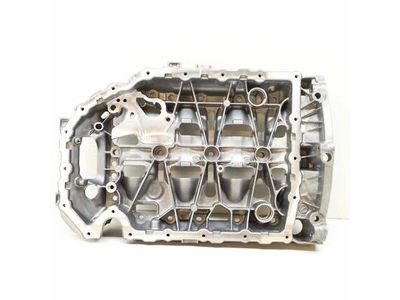
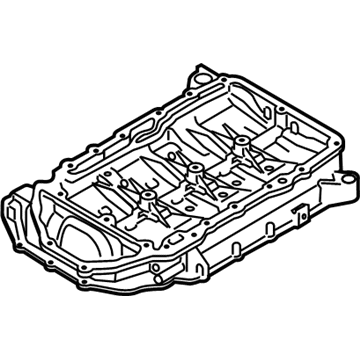
Audi A3 Upper Oil Pan Part Number: 06K-103-603-CQ
$341.10 MSRP: $477.74You Save: $136.64 (29%)Ships in 1-2 Business Days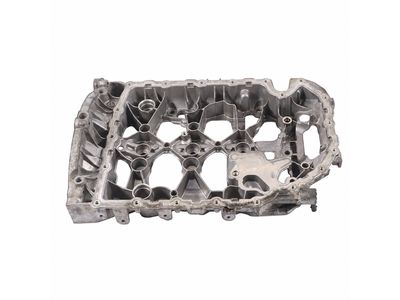
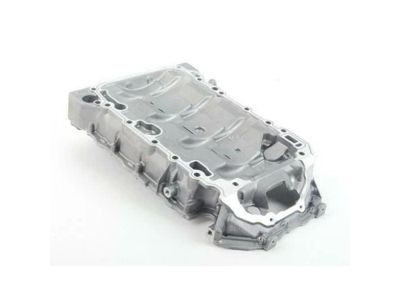
Audi A3 Upper Oil Pan Part Number: 06K-103-603-BL
$341.10 MSRP: $477.74You Save: $136.64 (29%)Ships in 1-2 Business Days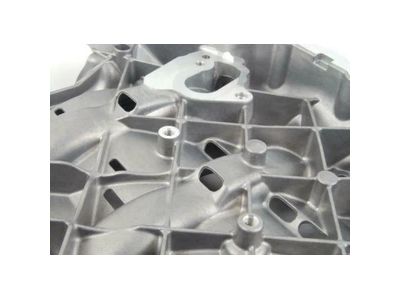
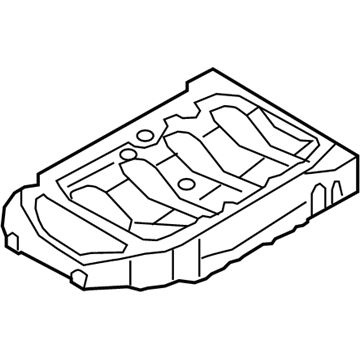
Audi A3 Upper Oil Pan Part Number: 06J-103-603-BD
$341.10 MSRP: $477.74You Save: $136.64 (29%)Ships in 1-2 Business Days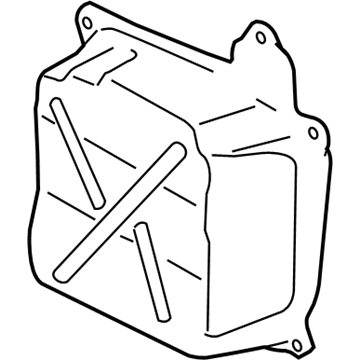
Audi A3 Transmission Pan Part Number: 02E-325-201-D
$109.47 MSRP: $153.31You Save: $43.84 (29%)Ships in 1-2 Business Days
Audi A3 COVER Part Number: 0GC-325-201-L
$41.13 MSRP: $56.65You Save: $15.52 (28%)Ships in 1-2 Business Days
Audi A3 Oil Pan
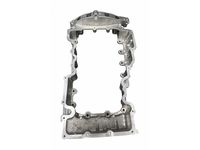
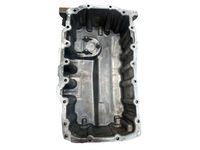
The Audi A3 Oil Pan is a low-positioned reservoir that collects the lifeblood of the engine to ensure that all the moving parts are readily lubricated during daily journeys and even during spirited runs. Similar to almost all Audis sent to the road, the vehicle uses a wet-sump design, i.e. the engine oil accumulates in the Oil Pan at the bottom of the block until it is pumped up, where it travels through bearings and cam followers and back to the waiting pool, ensuring the average Audi road user that there is always a reason why the engine is not grinding together. The rear of the crankcase is also covered by the metal shell of the Oil Pan that prevents leaks that would soon reduce the pressure. The Audi Oil Pan is placed directly below the crank and therefore the engine has to be raised slightly higher to allow space, a slight sacrifice to a low-priced and compact design. Extreme cornering may cause the fluid to slosh out of the pickup tube, causing the pump to momentarily starve, but even on the street, such extreme cornering is hardly attained. However, in contrast, some high-performance Audi race derivatives convert to a dry sump system which stores oil in an external tank, uses a separate scavenge pump, and ensures constant lubrication when the forces of gravity are enormous, with the complex hardware being unnecessary on mainstream A3 cars that remain on a conventional Oil Pan, and the reason why Audi customizes lubrication to the needs of each model.
Choose original equipment manufacturer Oil Pan for great performance and strong durability. They use Audi's official craftsmanship and high-grade materials, and meet strict quality standards. Are you looking for quality Oil Pan at a good price? Come to our online store. We carry a wide range of genuine parts for your Audi A3 and the prices are competitive. Each part comes with the manufacturer's warranty. You can install with confidence and get steady results. Over time, you'll save money and avoid hassle. Keep your maintenance simple and protect your vehicle with OEM parts. Get the quality your A3 needs now.
Audi A3 Oil Pan Parts and Q&A
- Q:How to remove and refit the oil pan on Audi A3?A:The first thing to take out the oil pan is to use the handbrake, jack up on the front of the car and put it firmly on axle stands. Then, take off the securing screws and take off the engine undertray(s), then drain the engine oil. Unbolt the front exhaust pipe up the exhaust manifold and adjust it off its mounts, and away the oil pan. Unscrew and remove the wiring connector on the oil pan to the oil level/temperature sender, and then unscrew and remove the bolts in the oil pan to the block, then pull out the oil pan, tapping it with a soft-faced mallet if needed. To refit, you need to clean the mating faces of the oil pan and the cylinder block thoroughly and make sure that all the traces of old sealant are removed. A 2.0 to 3.0mm thick bead of silicone sealant should then be applied to the oil pan, and it should flow around the inside of the bolt holes, and then the oil pan needs to be installed within 5 minutes of painting the sealant. Bring the oil pan to the cylinder block, reassemble the retaining bolts and attach them sequentially in a diagonal manner to the required torque. Order the wiring to the oil level/temperature sender back into place, re-attach the front exhaust pipe using a new gasket and re-fit the engine undertray(s) and then lower the vehicle to the ground. Wait at least 30 minutes before replacing the engine with oil.
- Q:How to seal the oil pan during refitting with VAG sealant on Audi A3?A:VAG sealant (D 176404 A2 or equivalent) will be required to seal the oil pan on refitting. Begin by applying the handbrake, jacking up the front of the vehicle, and securely supporting it on axle stands. Remove the securing screws and withdraw the engine undertray(s), then drain the engine oil. If fitted, disconnect the wiring connector from the oil level/temperature sender in the oil pan. Unscrew and remove the bolts securing the oil pan to the cylinder block and the transmission casing, then withdraw the oil pan, tapping gently with a soft-faced hammer if necessary. If desired, unbolt the oil baffle plate from the cylinder block. For refitting, thoroughly clean the mating faces of the oil pan and cylinder block, ensuring all traces of old sealant are removed. Refit the oil baffle plate if applicable, tightening the securing bolts. Ensure the cylinder block mating face of the oil pan is free from old sealant, oil, and grease, then apply a 2.0 to 3.0mm thick bead of silicone sealant around the inside of the bolt holes in the oil pan, fitting it within 5 minutes of application. Offer the oil pan up to the cylinder block, refit the oil pan-to-cylinder block bolts, and lightly tighten them by hand in a diagonal sequence. If the oil pan is being refitted with the engine and transmission separated, ensure it is flush with the Flywheel/drive plate end of the cylinder block. Refit the oil pan-to-transmission casing bolts and tighten them lightly using a socket. Again, working in a diagonal sequence, lightly tighten the oil pan-to-cylinder block bolts with a socket, then tighten the oil pan-to-transmission casing bolts to the specified torque. Progressively tighten the oil pan-to-cylinder block bolts to the specified torque in a diagonal sequence. Refit the wiring connector to the oil level/temperature sender if fitted, then reattach the engine undertray(s) and lower the vehicle to the ground. Allow at least 30 minutes for the sealant to cure before refilling the engine with oil.
Related Audi A3 Parts
 Audi A3 Engine Cover
 Audi A3 Camshaft
 Audi A3 Engine Mount
 Audi A3 Exhaust Valve
 Audi A3 Oil Pump
 Audi A3 Balance Shaft Chain
 Audi A3 Oil Filter Gasket
 Audi A3 Oil Pump Rotor Set
 Audi A3 Timing Chain Guide
 Audi A3 Timing Cover Gasket
 Audi A3 Valve Lifter
 Audi A3 Valve Stem Seal
Browse by Year
2024 Oil Pan
2023 Oil Pan
2022 Oil Pan
2020 Oil Pan
2019 Oil Pan
2018 Oil Pan
2017 Oil Pan
2016 Oil Pan
2015 Oil Pan
2013 Oil Pan
2012 Oil Pan
2011 Oil Pan
2010 Oil Pan
2009 Oil Pan
2008 Oil Pan
2007 Oil Pan 2006 Oil Pan