×
- Hello
- Login or Register
- Quick Links
- Live Chat
- Track Order
- Parts Availability
- RMA
- Help Center
- Contact Us
- Shop for
- Audi Parts

My Garage
My Account
Cart
Genuine Audi 100 Rod Bearing
Engine Connecting Rod Bearing- Select Vehicle by Model
- Select Vehicle by VIN
Select Vehicle by Model
orMake
Model
Year
Select Vehicle by VIN
For the most accurate results, select vehicle by your VIN (Vehicle Identification Number).
2 Rod Bearings found
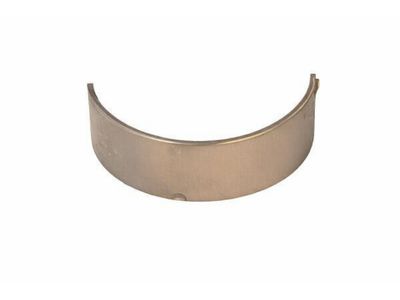

Audi 100 Bearings Part Number: 078-105-701-N-GLB
$52.71 MSRP: $72.59You Save: $19.88 (28%)Ships in 1-2 Business Days
Audi 100 Connecting Rod Bearing Part Number: 034-105-701-007
$24.51 MSRP: $39.22You Save: $14.71 (38%)Ships in 1-2 Business Days
Audi 100 Rod Bearing
Choose original equipment manufacturer Rod Bearing for great performance and strong durability. They use Audi's official craftsmanship and high-grade materials, and meet strict quality standards. Are you looking for quality Rod Bearing at a good price? Come to our online store. We carry a wide range of genuine parts for your Audi 100 and the prices are competitive. Each part comes with the manufacturer's warranty. You can install with confidence and get steady results. Over time, you'll save money and avoid hassle. Keep your maintenance simple and protect your vehicle with OEM parts. Get the quality your 100 needs now.
Audi 100 Rod Bearing Parts and Q&A
- Q:What are the essential steps and considerations during engine overhaul regarding rod bearing and big-end bearings on Audi 100?A:When performing engine overhaul, it is necessary to change the main and big-end bearings and keep the old ones as they may be used to give information about the condition of the engine. Carrying failure can be in the form of insufficient lubrication, dirt ingestion, engine overloading, or corrosion and what is essential is to correct the cause and not to repeat the failure before it occurs again. When checking bearing shells, take them out of their place and spread them in a clean place so that they can be easily matched with the crankshaft journal without touching its internal surfaces to prevent scratches. When assembling the engine, foreign particles might enter it or via filters and ventilation systems and may become embedded in the bearing material, or result in scoring. Complete cleaning of the parts and frequent changing of the oil are crucial in prevention. Excessive heat, overloading, oil leakage or blocked passages can result into severe damage of lubrication breakdown. Driving styles (i.e. full throttle low speed use) may also harm bearing life by resulting in fatigue failure. Mini journeys may cause corrosion because of lack of heat whereas improper installation may cause oil starvation or high spots which cause failure. The reassembly should be done carefully not to contaminate the bearing surfaces. Main, big-end bearings are offered as standard and undersized to accept reground crankshafts and running clearances require checking when installing new bearings.


