×
- Hello
- Login or Register
- Quick Links
- Live Chat
- Track Order
- Parts Availability
- RMA
- Help Center
- Contact Us
- Shop for
- Audi Parts

My Garage
My Account
Cart
Genuine Audi Brake Disc
Disc Rotor- Select Vehicle by Model
- Select Vehicle by VIN
Select Vehicle by Model
orMake
Model
Year
Select Vehicle by VIN
For the most accurate results, select vehicle by your VIN (Vehicle Identification Number).
172 Brake Discs found
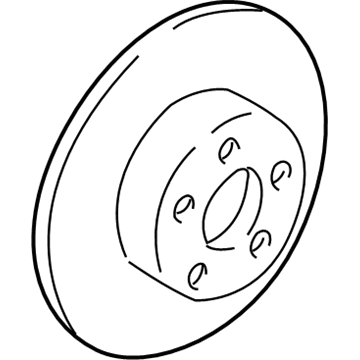
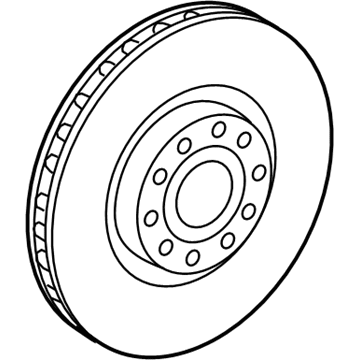
Audi Rotor Part Number: 443-615-601-B
$66.52 MSRP: $86.00You Save: $19.48 (23%)Ships in 1-2 Business DaysProduct Specifications- Other Name: Brake Disc
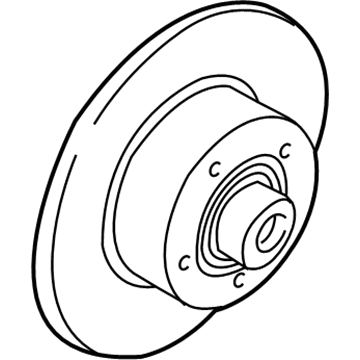
Audi Rotor Part Number: 8E0-615-601-P
$74.97 MSRP: $96.92You Save: $21.95 (23%)Ships in 1-2 Business DaysProduct Specifications- Other Name: Brake Disc
- Replaces: 8E0-615-601-B, 895-615-601-A
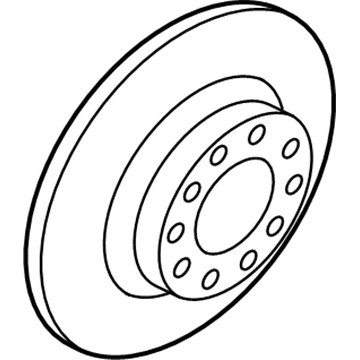
Audi Rotor Part Number: 3Q0-615-601-A
$82.11 MSRP: $106.16You Save: $24.05 (23%)Ships in 1-2 Business DaysProduct Specifications- Other Name: Brake Disc
- Replaces: 3Q0-615-601
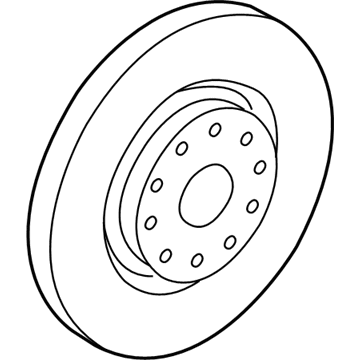
Audi Rotor Part Number: 5Q0-615-301-F
$89.23 MSRP: $115.35You Save: $26.12 (23%)Ships in 1-2 Business DaysProduct Specifications- Other Name: Brake Disc
- Replaces: 1K0-615-301-AA
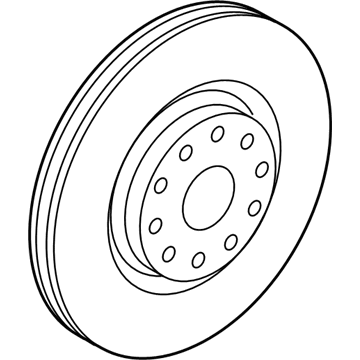
Audi Rotor Part Number: 5Q0-615-301-H
$85.41 MSRP: $110.41You Save: $25.00 (23%)Ships in 1-2 Business DaysProduct Specifications- Other Name: Brake Disc
- Replaces: 1K0-615-301-T
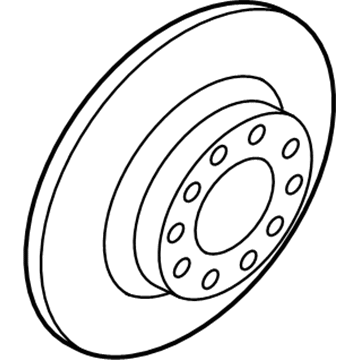
Audi Rotor Part Number: 5Q0-615-601-E
$87.95 MSRP: $113.70You Save: $25.75 (23%)Ships in 1-2 Business DaysProduct Specifications- Other Name: Brake Disc
- Replaces: 1K0-615-601-N
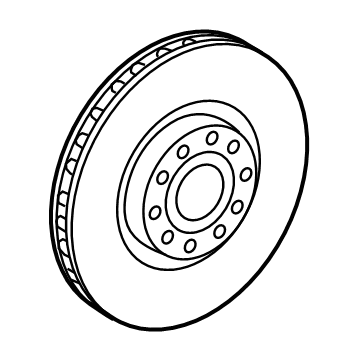
Audi Rotor Part Number: 5WA-615-301-B
$116.62 MSRP: $150.78You Save: $34.16 (23%)Ships in 1-2 Business DaysProduct Specifications- Other Name: Brake Disc
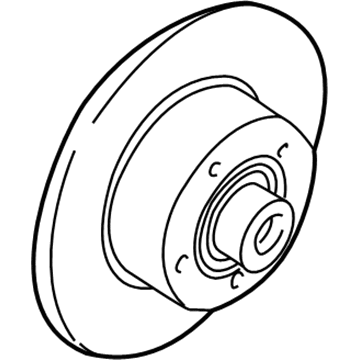
Audi Rotor Part Number: 8D0-615-601-D
$79.72 MSRP: $103.06You Save: $23.34 (23%)Ships in 1-2 Business DaysProduct Specifications- Other Name: Brake Disc
Audi Rotor Part Number: 8E0-615-301-P
$85.41 MSRP: $110.41You Save: $25.00 (23%)Ships in 1-2 Business DaysProduct Specifications- Other Name: Brake Disc
- Replaces: 8E0-615-301-B
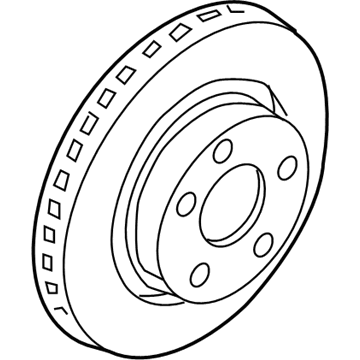
Audi Rotor Part Number: 8E0-615-301-Q
$85.41 MSRP: $110.41You Save: $25.00 (23%)Ships in 1-2 Business DaysProduct Specifications- Other Name: Brake Disc
- Replaces: 4A0-615-301-E, 4A0-615-301-C
Audi Brake Rotor Part Number: 443-615-301-B
$77.35 MSRP: $100.00You Save: $22.65 (23%)Ships in 1-2 Business DaysProduct Specifications- Other Name: Brake Disc; Rotor
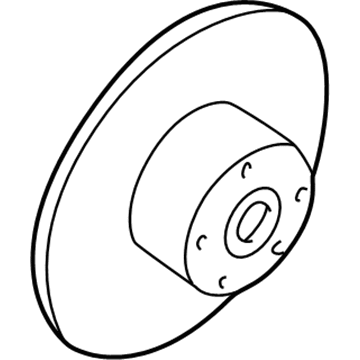
Audi Rotor Part Number: 447-615-601-A
$77.35 MSRP: $100.00You Save: $22.65 (23%)Ships in 1-2 Business DaysProduct Specifications- Other Name: Brake Disc
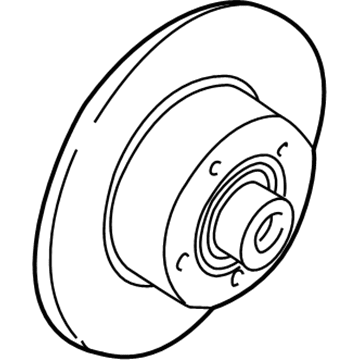
Audi Rotor Part Number: 4B0-615-601
$77.35 MSRP: $100.00You Save: $22.65 (23%)Ships in 1-2 Business DaysProduct Specifications- Other Name: Brake Disc

Audi Rotor Part Number: 8D0-615-601-B
$77.35 MSRP: $100.00You Save: $22.65 (23%)Ships in 1-2 Business DaysProduct Specifications- Other Name: Brake Disc
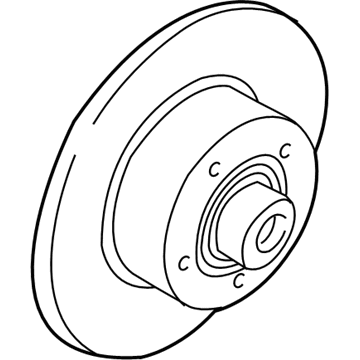
Audi Rotor Part Number: 8E0-615-601-M
$89.25 MSRP: $115.39You Save: $26.14 (23%)Ships in 1-2 Business DaysProduct Specifications- Other Name: Brake Disc
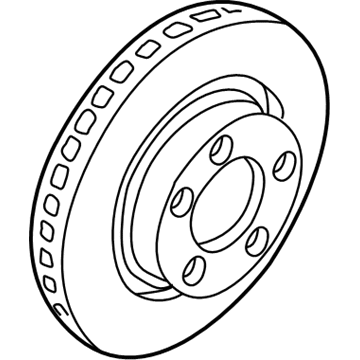
Audi Rotor Part Number: 4A0-615-301-D
$80.92 MSRP: $104.62You Save: $23.70 (23%)Ships in 1-2 Business DaysProduct Specifications- Other Name: Brake Disc
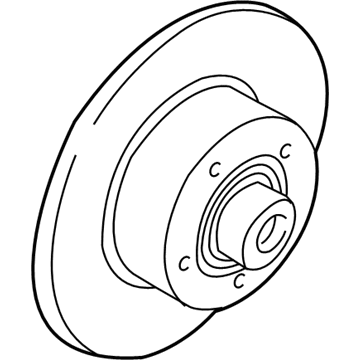
Audi Rotor Part Number: 8E0-615-601-Q
$87.93 MSRP: $113.68You Save: $25.75 (23%)Ships in 1-2 Business DaysProduct Specifications- Other Name: Brake Disc
- Replaces: 8E0-615-601-D
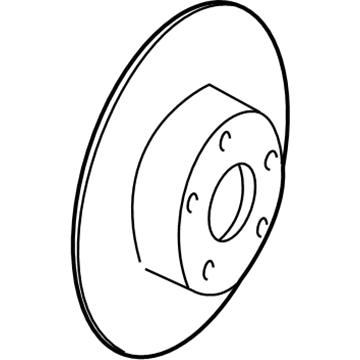
Audi Rotor Part Number: 4B0-615-601-A
$89.25 MSRP: $115.38You Save: $26.13 (23%)Ships in 1-2 Business DaysProduct Specifications- Other Name: Brake Disc
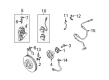
Audi Rotor Part Number: 4D0-615-301-J
$93.28 MSRP: $120.59You Save: $27.31 (23%)Ships in 1-2 Business DaysProduct Specifications- Other Name: Brake Disc
- Replaces: 4D0-615-301-A, 4D0-615-301-F
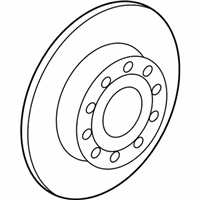
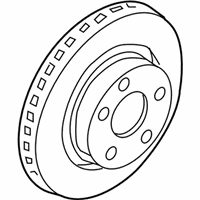
Audi Rotor Part Number: 5C0-615-301-B
Product Specifications- Other Name: Brake Disc
| Page 1 of 9 |Next >
1-20 of 172 Results
Audi Brake Disc
Audi Brake Disc transforms the energy from the wheel into reliable stopping force while remaining cool for repeated hard braking, so every driver can have confidence immediately. Audi dates back to 1909 and soon developed a reputation for combining performance with precision, later coming together under the four rings that signify its rich heritage. Today Audi stirs the blood of enthusiasts with Quattro all-wheel drive that grips slick roads, Virtual Cockpit displays that transform dashboards into sharp digital hubs, and matrix headlights that carve bright paths through darkness. The brand pushes boundaries with e-tron electric models and tests self-driving concepts on public streets which prove that Audi values innovation as much as speed. Its lineup of sporty sedans and versatile SUVs has a common objective to combine luxury comfort with the updated technology to make everyday travel safer and more interesting. The Brake Disc that is applied over the whole range is a manifestation of this philosophy. Constructed of tough steel or lightweight composite materials, each Brake Disc sits openly by the caliper to allow air to rush through internal fins, flushing away the heat before it can fade pedal feel. Slots or small drill holes sweep water and dust from the contact surface, keeping stops straight and predictable in rain or on gravel. Some versions combine a cast friction ring with an alloy bell to eliminate unsprung weight, allowing the suspension to react faster over bumps. By resisting warping, managing heat, and maintaining even pad contact, the Brake Disc ensures the high-performance promise of every Audi.
Stick with genuine OEM Brake Disc when you need quality that holds up. Audi crafts these parts to hit strict factory specs for every single unit. They also run each part through rigorous checks during production to maintain high quality. You can find exact Audi Brake Disc you need in our huge stock at AudiPartsGiant.com. You'll love our low, economical prices too. Every OEM part carries a real manufacturer's warranty, so you can buy with confidence. Returns aren't a headache here because our policy is simple. Plus, our speedy delivery gets orders out fast. Shop today and buy with total peace of mind.
Audi Brake Disc Parts and Q&A
- Q: What should you be aware of before starting work on brake disc inspection and replacement on Audi A3?A:The risks of asbestos dust should be known before beginning to work. In the event of needing replacement of any of the brake discs, the other one should also be renewed in order to have an even and consistent braking force and new brake pads. In order to check front brake discs, engage the handbrake and lift the front part of the vehicle on axle stands then remove the front roadwheel. Turn the brake disc and check both sides; take off the brake pads should it be necessary. Light scoring is normal with heavy scoring or cracks which are good indicators that it requires renewal. Rust lip, which is shaped like a lip around the perimeter of the disc, can be removed but in case of a lot of wear, use a micrometer and gauge the thickness of the disc. Ensure the check of warping by determining run-out; on excessive, the disc should be renewed, keeping the hub bearing in excellent condition first. Check cracks and other damages. To remove, loosen the brake pad, unscrew the bolts on the caliper mounting bracket, and slide the caliper assembly off the disc and tie the caliper assembly to the suspension to ensure that the brake hose is not strained. Indicate the position of the disc relative to the hub, loosen the screw that holds it in place and lightly tap the back side when it is tight. Refitting means to reverse the process of removing and make sure that the mating surfaces are clean, the marks are aligned, and the disc retaining screw is screwed in place. Wipe any preservative off a new disc then refit the caliper ensuring the pads are correctly positioned. To check the rear brake disc, chock the front wheels, jack the rear and take the rear roadwheel away. Unscrew the bolts that hold the caliper mounting bracket, slide the caliper off and mark the relation of the disc to the hub then remove it. Refitting involves the same reversal procedure, where all surfaces are cleaned, screws checked and fastened well and where in case of new thicker discs, screw adjustments may be required. Lastly ensure that the vehicle is lowered and the bolts of the roadwheels are tightened and as much as possible press the brake pedal and when normal pressure is regained.
- Q: How to inspect and replace cross-drilled brake discs on Audi A4?A:There are models fitted with cross-drilled brake discs, which have holes to assist in cooling whilst braking excessively. Such discs cannot be refinished on regular brake lathes, and thus, when a cross-drilled disc is out of shape or faulty, replacement is frequently the most feasible. In order to inspect, loosen the wheel-bolts, rise the vehicle and place it safely on jackstands before removing the wheel. The caliper brake can be dismounted without detaching the brake hose; once the bolts of caliper have been loosened, hang it up by hanging a piece of wire, but not to stretch out or twist the hose. Install the wheel bolts to hold the disc against the hub should it be necessary with some spacing with washers. Look physically at the disc surface area and ensure that light scratches are normal; however, deep scars or cracks can be the cause of a refinishing or replacement. Hairline cracks of 10 mm or below are acceptable on cross drilled discs. In case of pulsation during braking, suspect disc run out. A dial indicator spaced approximately 1/2 inch off the outside can be used to measure runout; a value of more than 0.003 inch can be others to refinish or replace. In case refinishing is not necessary, deglaze the braking pad surface using emery cloth or sandpaper in swirling motion. Make sure that the disc is not machined less than the given minimum of the disc, which is usually cast and carved into the disc. Thickness of cell with a micrometer. To remove and install, suspend the brake caliper with wire, then remove the caliper mounting bracket then the disc retaining screw and any wheel bolts. Wipe the hub flange and inside of the brake disc completely to eliminate rust or corrosion and place a thin layer of anti-seize agent to eliminate future problems. Attach the disc to the hub, screw the retaining screw and replace brake caliper mounting bracket and brake pads, and make sure that all the screws are tightened to a required torque. And lastly fit the wheel, drop the vehicle, and fix the wheel bolts and then push the brake pedal to rub the pads with the disc, verifying the brakes and parking brake functionality, and then restore the vehicle to normal usage.
Related Audi Parts
 Audi A/C Compressor
 Audi Daytime Running Lights
 Audi Oil Drain Plug
 Audi Air Suspension Compressor
 Audi Oil Filter Housing
 Audi Throttle Position Sensor
 Audi Intercooler Hose
 Audi License Plate Lights
 Audi Light Control Module
 Audi Washer Reservoir Cap
 Audi Wheel Hub Bolt
 Audi Windshield Wiper Arms
Browse by Model
100 Brake Disc 100 Quattro Brake Disc 200 Brake Disc 200 Quattro Brake Disc 4000 Brake Disc 4000 Quattro Brake Disc 5000 Brake Disc 5000 Quattro Brake Disc 80 Brake Disc 80 Quattro Brake Disc 90 Brake Disc 90 Quattro Brake Disc A3 Brake Disc A3 Quattro Brake Disc A3 Sportback e-tron Brake Disc A4 allroad Brake Disc A4 Brake Disc A4 Quattro Brake Disc A5 Brake Disc A5 Quattro Brake Disc A5 Sportback Brake Disc A6 allroad Brake Disc A6 Brake Disc A6 Quattro Brake Disc A7 Quattro Brake Disc A7 Sportback Brake Disc A8 Brake Disc A8 Quattro Brake Disc allroad Brake Disc Allroad Quattro Brake Disc Cabriolet Brake Disc Coupe Brake Disc Coupe Quattro Brake Disc e-tron GT Brake Disc e-tron Quattro Brake Disc e-tron S Brake Disc e-tron S Sportback Brake Disc e-tron Sportback Brake Disc Q3 Brake Disc Q3 Quattro Brake Disc Q4 e-tron Brake Disc Q4 e-tron Sportback Brake Disc Q5 Brake Disc Q5 PHEV Brake Disc Q5 Sportback Brake Disc Q7 Brake Disc Q8 Brake Disc Q8 e-tron Brake Disc Q8 e-tron Sportback Brake Disc Quattro Brake Disc R8 Brake Disc RS e-tron GT Brake Disc RS Q8 Brake Disc RS3 Brake Disc RS4 Brake Disc RS5 Brake Disc RS5 Sportback Brake Disc RS6 Avant Brake Disc RS7 Brake Disc RS7 Sportback Brake Disc S3 Brake Disc S4 Brake Disc S5 Brake Disc S5 Sportback Brake Disc S6 Brake Disc S7 Brake Disc S7 Sportback Brake Disc S8 Brake Disc SQ5 Brake Disc SQ5 Sportback Brake Disc SQ7 Brake Disc SQ8 Brake Disc TT Brake Disc TT Quattro Brake Disc TT RS Quattro Brake Disc TTS Quattro Brake Disc V8 Quattro Brake Disc