×
- Hello
- Login or Register
- Quick Links
- Live Chat
- Track Order
- Parts Availability
- RMA
- Help Center
- Contact Us
- Shop for
- Audi Parts

My Garage
My Account
Cart
Genuine Audi A3 Brake Disc
Disc Rotor- Select Vehicle by Model
- Select Vehicle by VIN
Select Vehicle by Model
orMake
Model
Year
Select Vehicle by VIN
For the most accurate results, select vehicle by your VIN (Vehicle Identification Number).
11 Brake Discs found
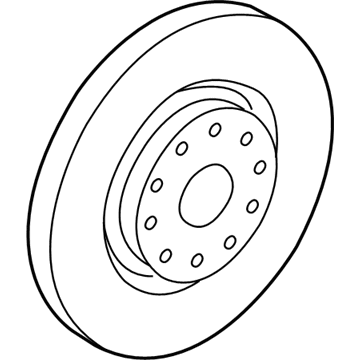
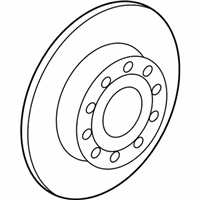
Audi A3 Rotor Part Number: 5Q0-615-301-F
$89.23 MSRP: $115.35You Save: $26.12 (23%)Ships in 1-2 Business Days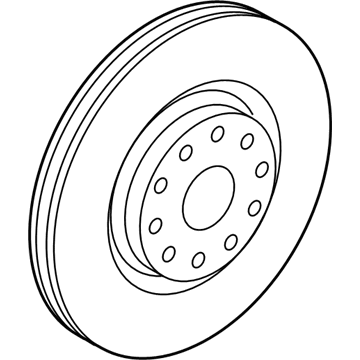
Audi A3 Rotor Part Number: 5Q0-615-301-H
$85.41 MSRP: $110.41You Save: $25.00 (23%)Ships in 1-2 Business Days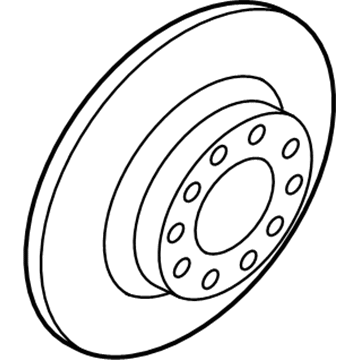
Audi A3 Rotor Part Number: 5Q0-615-601-E
$87.95 MSRP: $113.70You Save: $25.75 (23%)Ships in 1-2 Business Days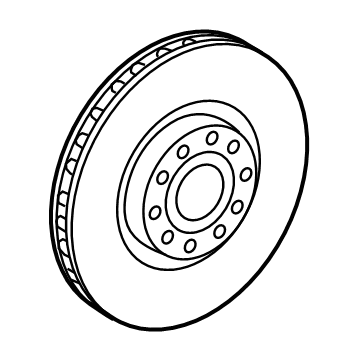
Audi A3 Rotor Part Number: 5WA-615-301-B
$116.62 MSRP: $150.78You Save: $34.16 (23%)Ships in 1-2 Business DaysAudi A3 Rotor Part Number: 5WA-615-301
$116.62 MSRP: $150.78You Save: $34.16 (23%)Ships in 1-2 Business Days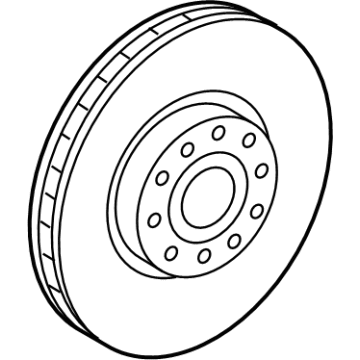
Audi A3 Rotor Part Number: 5Q0-615-301-G
$132.36 MSRP: $171.13You Save: $38.77 (23%)Ships in 1-2 Business Days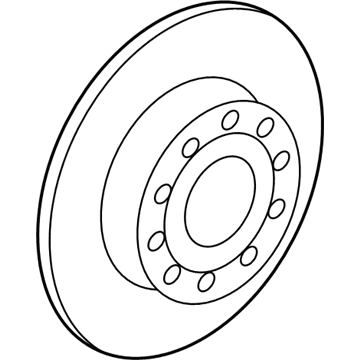
Audi A3 Rotor Part Number: 1K0-615-601-AJ
$59.64 MSRP: $77.11You Save: $17.47 (23%)Ships in 1-2 Business Days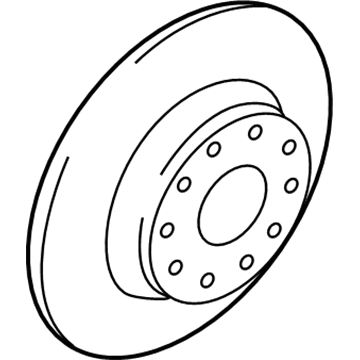
Audi A3 Rotor Part Number: 5Q0-615-601-D
$58.32 MSRP: $74.15You Save: $15.83 (22%)Ships in 1-2 Business DaysAudi A3 Rotor Part Number: 5Q0-615-601-F
$59.64 MSRP: $77.11You Save: $17.47 (23%)Ships in 1-2 Business Days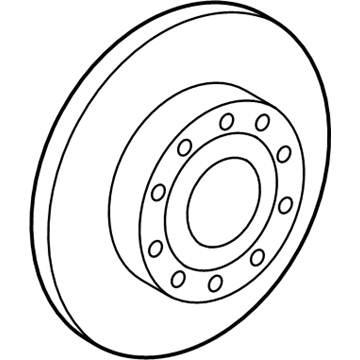
Audi A3 Rotor Part Number: 5Q0-615-601-G
$59.31 MSRP: $75.42You Save: $16.11 (22%)Ships in 1-2 Business Days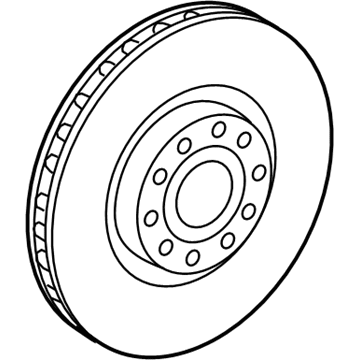
Audi A3 Rotor Part Number: 5C0-615-301-B
Audi A3 Brake Disc
Choose original equipment manufacturer Brake Disc for great performance and strong durability. They use Audi's official craftsmanship and high-grade materials, and meet strict quality standards. Are you looking for quality Brake Disc at a good price? Come to our online store. We carry a wide range of genuine parts for your Audi A3 and the prices are competitive. Each part comes with the manufacturer's warranty. You can install with confidence and get steady results. Over time, you'll save money and avoid hassle. Keep your maintenance simple and protect your vehicle with OEM parts. Get the quality your A3 needs now.
Audi A3 Brake Disc Parts and Q&A
- Q: What should you be aware of before starting work on brake disc inspection and replacement on Audi A3?A:The risks of asbestos dust should be known before beginning to work. In the event of needing replacement of any of the brake discs, the other one should also be renewed in order to have an even and consistent braking force and new brake pads. In order to check front brake discs, engage the handbrake and lift the front part of the vehicle on axle stands then remove the front roadwheel. Turn the brake disc and check both sides; take off the brake pads should it be necessary. Light scoring is normal with heavy scoring or cracks which are good indicators that it requires renewal. Rust lip, which is shaped like a lip around the perimeter of the disc, can be removed but in case of a lot of wear, use a micrometer and gauge the thickness of the disc. Ensure the check of warping by determining run-out; on excessive, the disc should be renewed, keeping the hub bearing in excellent condition first. Check cracks and other damages. To remove, loosen the brake pad, unscrew the bolts on the caliper mounting bracket, and slide the caliper assembly off the disc and tie the caliper assembly to the suspension to ensure that the brake hose is not strained. Indicate the position of the disc relative to the hub, loosen the screw that holds it in place and lightly tap the back side when it is tight. Refitting means to reverse the process of removing and make sure that the mating surfaces are clean, the marks are aligned, and the disc retaining screw is screwed in place. Wipe any preservative off a new disc then refit the caliper ensuring the pads are correctly positioned. To check the rear brake disc, chock the front wheels, jack the rear and take the rear roadwheel away. Unscrew the bolts that hold the caliper mounting bracket, slide the caliper off and mark the relation of the disc to the hub then remove it. Refitting involves the same reversal procedure, where all surfaces are cleaned, screws checked and fastened well and where in case of new thicker discs, screw adjustments may be required. Lastly ensure that the vehicle is lowered and the bolts of the roadwheels are tightened and as much as possible press the brake pedal and when normal pressure is regained.