×
- Hello
- Login or Register
- Quick Links
- Live Chat
- Track Order
- Parts Availability
- RMA
- Help Center
- Contact Us
- Shop for
- Audi Parts

My Garage
My Account
Cart
Genuine Audi A4 Oil Filter
Engine Oil filter- Select Vehicle by Model
- Select Vehicle by VIN
Select Vehicle by Model
orMake
Model
Year
Select Vehicle by VIN
For the most accurate results, select vehicle by your VIN (Vehicle Identification Number).
7 Oil Filters found
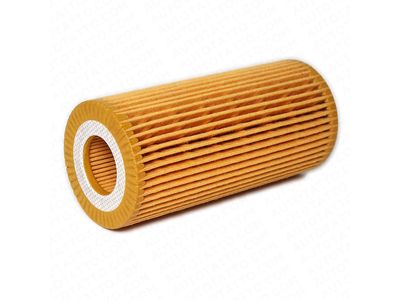
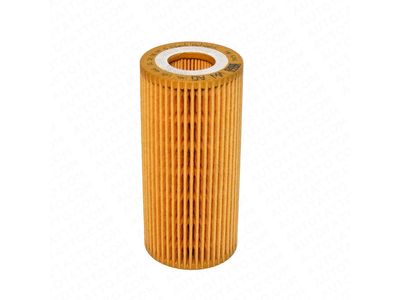
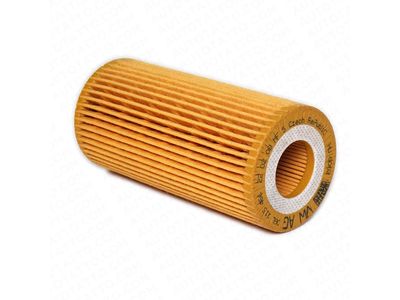
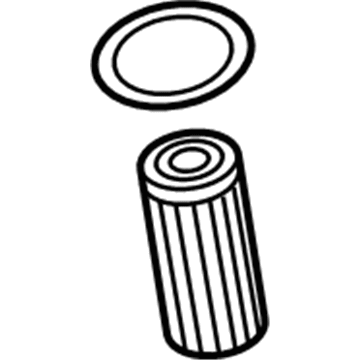
Audi A4 Filter Element Part Number: 06L-115-562-B
$12.86 MSRP: $17.15You Save: $4.29 (26%)Ships in 1-2 Business Days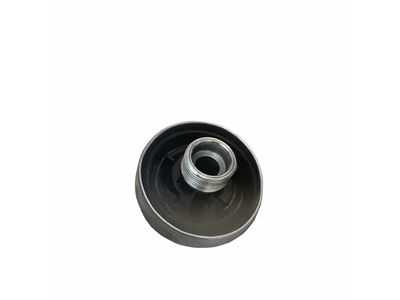
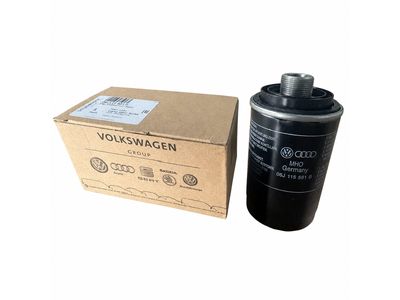
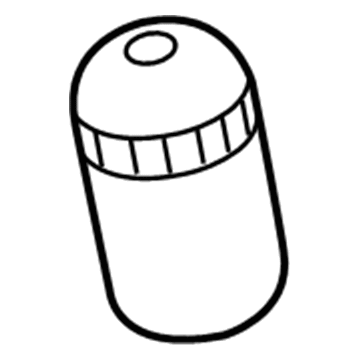
Audi A4 Oil Filter Part Number: 06J-115-403-Q
$16.36 MSRP: $21.82You Save: $5.46 (26%)Ships in 1-2 Business Days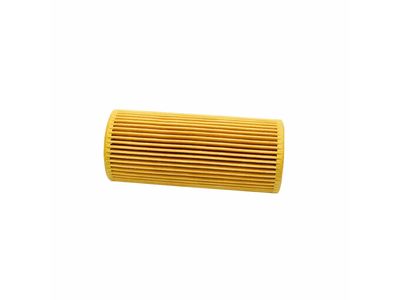
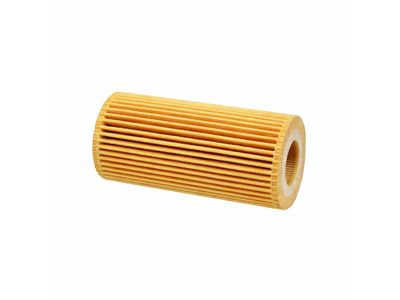
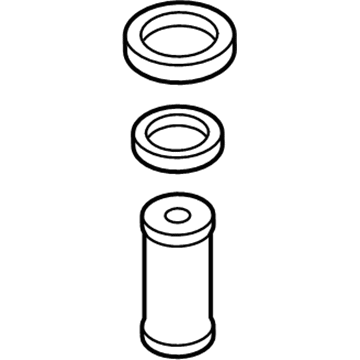
Audi A4 Filter Element Part Number: 06E-115-562-C
$19.36 MSRP: $25.83You Save: $6.47 (26%)Ships in 1-2 Business Days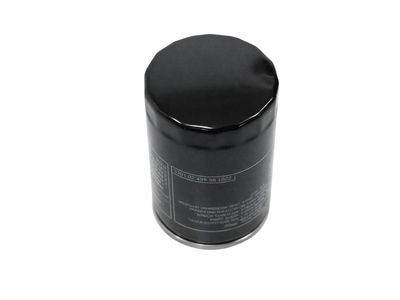
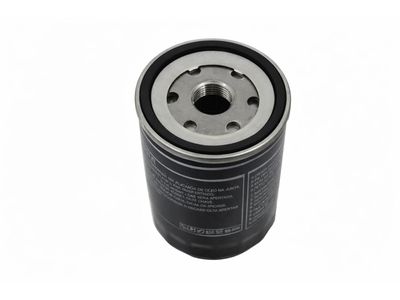
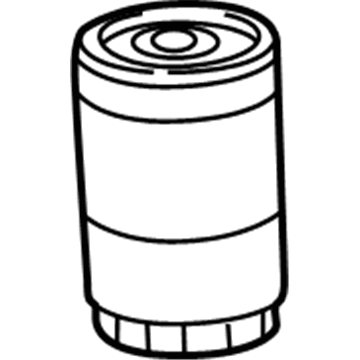
Audi A4 Oil Filter Part Number: 06A-115-561-B
$12.63 MSRP: $16.83You Save: $4.20 (25%)Ships in 1-2 Business Days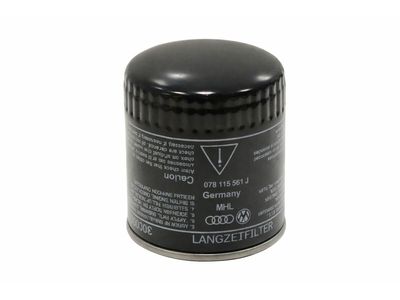
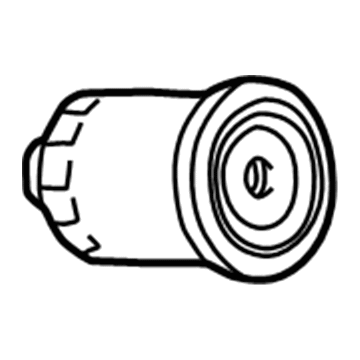
Audi A4 Oil Filter Part Number: 078-115-561-J
$19.18 MSRP: $25.57You Save: $6.39 (25%)Ships in 1-2 Business Days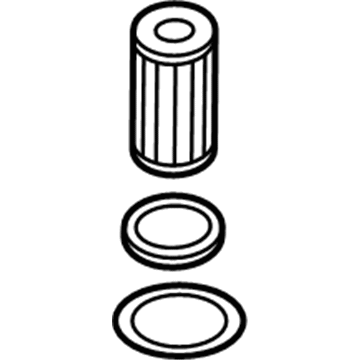
Audi A4 Oil Filter Part Number: 06D-115-562
$14.86 MSRP: $19.82You Save: $4.96 (26%)Ships in 1-2 Business Days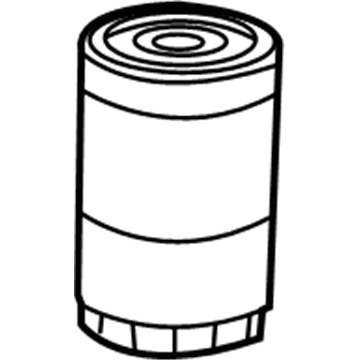
Audi A4 Oil Filter Part Number: 06A-115-561-B-DSF
$6.91 MSRP: $9.00You Save: $2.09 (24%)Ships in 1-2 Business Days
Audi A4 Oil Filter
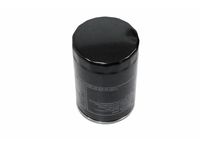
The Audi A4 Oil Filter is the safety net of the engine and it filters the grit so that the lubricating oil stays clean between services. It prevents wear, corrosion and sludge in key bearings in Audi power-plants by forcing pressurized oil through specially engineered cellulose or synthetic media within the Oil Filter that is rated to trap about 99 percent of debris. The housing has pressure-relief and anti-drainback valves that prevent starvation during the initial firing of the engine or instances of high pressure due to heavy 20W-50 oil and high-volume pumps, as well as maintaining a constant flow and preventing a collapse of the canister in every Audi drive. There are two major kinds of filters that have existed throughout the history of the model. The first Audi models applied a disposable spin-on Oil Filter type, where the sealed metal can is replaced as a whole, whereas subsequent A4 models use the more eco-friendly cartridge style with only the internal part being swapped and being equal in both efficiency and capacity. The two styles are executing the same responsibility, but they vary in terms of service routine, the cost of their materials, and their effect on the environment. Since all Oil Filters have a limited capacity for the dirt they are able to contain, it is unsafe to leave Oil Filters in service after the schedule and expect the contaminants to bypass the media and be recirculated without being filtered, which can cause damage. Regular oil and Oil Filter replacements hence provide a low-cost barrier that offers a silent, powerful, and long-lasting Audi engine capable of covering many more miles.
Choose original equipment manufacturer Oil Filter for great performance and strong durability. They use Audi's official craftsmanship and high-grade materials, and meet strict quality standards. Are you looking for quality Oil Filter at a good price? Come to our online store. We carry a wide range of genuine parts for your Audi A4 and the prices are competitive. Each part comes with the manufacturer's warranty. You can install with confidence and get steady results. Over time, you'll save money and avoid hassle. Keep your maintenance simple and protect your vehicle with OEM parts. Get the quality your A4 needs now.
Audi A4 Oil Filter Parts and Q&A
- Q:What is the importance of frequent oil changes for preventive maintenance, and what tools are necessary for the oil filter process on Audi A4?A:Preventive maintenance routines involve changing oil regularly, with aging oil potentially becoming diluted and contaminated which causes engine wear to take place too soon. You should make sure that you have all the tools before beginning such as a shallow drain pan to stop spills, rubber gloves to protect your hands, a breaker bar to loosen tight drain plugs, a socket to fit the breaker bar, and a filter wrench of the correct type to your engine. Always have lots of spill rags or newspapers at hand and also keep in mind that the engine and exhaust parts are going to be hot so expect future problems. Find a flat area and park the vehicle, turn off the engine and wait for the engine to warm up so that oil can flow out of the engine. Take off the filler cap, and, when it is present, unscrew the oil filter housing to leak the oil. Lift the car safely on jackstands, then dismount the splash shield then position the drain pan beneath the drain plug and then carefully remove it. Let the old oil run and look into it to see whether there are metal shavings, and clean up the drain plug and space and place back. In certain models of the engine, place the drain pan below the oil filter, loosen and remove an old oil filter with the filter wrench and make sure that the rubber gasket on the old filter does not adhere to the housing. Wipe the gasket of the new filter with clean oil, and firmly screw it on. Pour in more oil using the filler cap, feel the level after several minutes, and then switch on the engine to circulate the oil. Having run the engine a little, check the oil level again and fill up, if required. Dispose old oil in a proper manner making sure that it is recycled and not dumped on the ground or into the drain. Lastly, turn the service indicator to an off position by pressing the buttons on the instrument cluster to have an appropriate record of the engine operating time and vehicle mileage.
Related Audi A4 Parts
 Audi A4 Valve Cover Gasket
 Audi A4 Belt Tensioner
 Audi A4 Oil Drain Plug
 Audi A4 Oil Filter Housing
 Audi A4 Oil Pan Gasket
 Audi A4 Timing Belt Tensioner
 Audi A4 Valve Cover
 Audi A4 Crankshaft Pulley
 Audi A4 Differential Cover Gasket
 Audi A4 Engine Oil Cooler
 Audi A4 Harmonic Balancer
 Audi A4 Timing Cover
Browse by Year
2020 Oil Filter 2019 Oil Filter 2018 Oil Filter 2017 Oil Filter 2016 Oil Filter 2015 Oil Filter 2014 Oil Filter 2013 Oil Filter 2012 Oil Filter 2011 Oil Filter 2010 Oil Filter 2009 Oil Filter 2008 Oil Filter 2007 Oil Filter 2006 Oil Filter 2005 Oil Filter 2004 Oil Filter 2003 Oil Filter 2002 Oil Filter 2001 Oil Filter 2000 Oil Filter 1999 Oil Filter 1998 Oil Filter 1997 Oil Filter 1996 Oil Filter