×
- Hello
- Login or Register
- Quick Links
- Live Chat
- Track Order
- Parts Availability
- RMA
- Help Center
- Contact Us
- Shop for
- Audi Parts

My Garage
My Account
Cart
Genuine Audi A3 Timing Belt
Engine Timing Belt- Select Vehicle by Model
- Select Vehicle by VIN
Select Vehicle by Model
orMake
Model
Year
Select Vehicle by VIN
For the most accurate results, select vehicle by your VIN (Vehicle Identification Number).
2 Timing Belts found
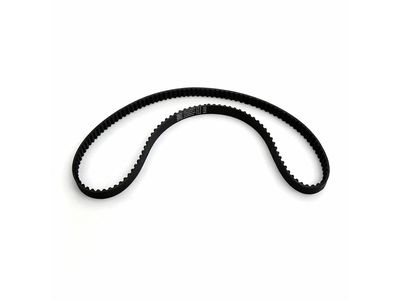
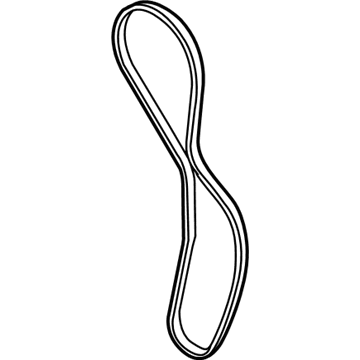
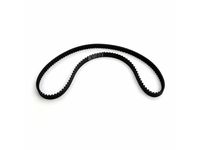
Audi A3 Timing Belt Part Number: 06D-109-119-B
$91.62 MSRP: $128.33You Save: $36.71 (29%)Ships in 1-2 Business Days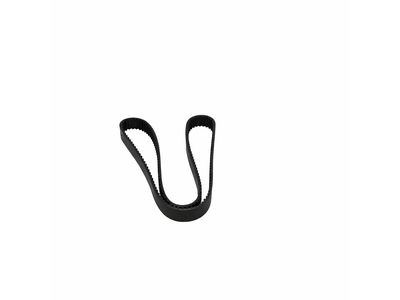
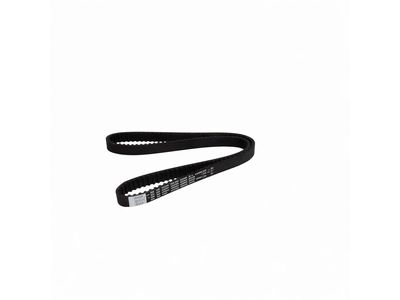
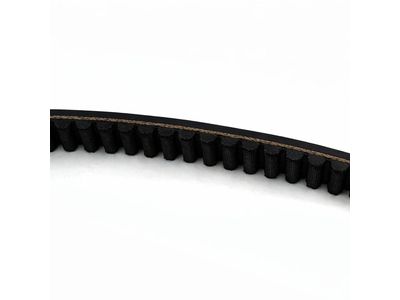
Audi A3 Timing Belt Part Number: 04L-109-119-D
$159.45 MSRP: $223.32You Save: $63.87 (29%)Ships in 1-2 Business Days
Audi A3 Timing Belt
The Audi A3 Timing Belt is applied to ensure that the crankshaft and camshafts of the engine are in perfect motion such that the valves and pistons are always in the correct position to deliver smooth power and reliability. Audi uses a number of single and double overhead cam designs, where the Timing Belt runs around sprockets on the crank and the rear of the cam, steered along by spring-loaded tensioner and idler pulleys in order to allow the cams to open the valves at the correct time. Previously applied engines were based on chains or gears, but Audi uses belts since they pass easily through small heads, are quiet, do not require lubrication, and are cheaper. The Audi powerplant is small, hence the Timing Belt is simple to install compared to a chain. Material upgrades have increased replacement intervals to about 60,000 miles or more over the years but the owner's manual still creates a rigid change standard as a broken belt will promptly shut down the motor and, in an interference design, will allow pistons to strike open valves. The water pump also can be rotated by the current Timing Belt, so it would be prudent to change the pump every time the belt is replaced. Cracks, lost teeth, ragged edges, and oil-soaked areas can be seen visually so the trouble can be prevented before it occurs, and tired tensioners or idlers must never be applied again. Though curved tooth versions are quiet and last longer than the first versions of square tooth belts, all Timing Belts will wear out and require replacement on time to ensure the Audi engine remains safe and every A3 driver will have reliable performance.
Choose original equipment manufacturer Timing Belt for great performance and strong durability. They use Audi's official craftsmanship and high-grade materials, and meet strict quality standards. Are you looking for quality Timing Belt at a good price? Come to our online store. We carry a wide range of genuine parts for your Audi A3 and the prices are competitive. Each part comes with the manufacturer's warranty. You can install with confidence and get steady results. Over time, you'll save money and avoid hassle. Keep your maintenance simple and protect your vehicle with OEM parts. Get the quality your A3 needs now.
Audi A3 Timing Belt Parts and Q&A
- Q:What are the recommended inspection and renewal intervals for the timing belt on Audi A3?A:Audi says that 1.6 litre models do not need a check up until the first 60,000 miles, and then within every 20,000 until the maximum renewal time of 120,000; though it is advisable that the timing belt should be refreshed at this time, which is also made mandatory by 2.0 litre models. In order to check, unscrew the clips and take off the cover of the upper timing belt. The engine can be turned slowly clockwise on the crankshaft pulley bolt using a spanner or socket and without turning it on the camshaft bolt. Inspect the full length of the timing belt, and look at it through a torch and mirror, looking under the belt, to find out whether it is cracked, tooth separated, frayed, side glazed, and contaminated with oil or grease. In case of any wear or damage, the timing belt has to be replaced, because a broken belt may lead to significant damages with the engine. Once the inspection is complete, refit an upper timing belt cover, and delete the socket or spanner on the crankshaft pulley bolt. More information is provided with regard to the renewal.
- Q:What modifications were introduced for engine mounting and timing belt removal on Audi A3?A:In May 2005, SOHC engines and June 2006, DOHC engines, a modified right-hand engine mounting was introduced, which does not need to be removed in order to replace the timing belt. The toothed timing belt is the main driver of the Camshaft and even the coolant pump, when it slips or breaks, it may result in severe engine damage because of the derailed valve timing and contact between the piston and the valve. This means proper tensioning and frequent wear and tear check are significant. The first step to do is to turn off the ignition and the key, use the handbrake and firmly hold the vehicle on the axle stands. Take out engine undertray, front part of the right-hand arch liner of wheel and engine top cover. This is followed by removing the auxiliary drivebelt, the driveBelt Tensioner, the crankshaft pulley and timing belt covers. In SOHC engines until April 2005 and DOHC engines until May 2006, engine support is only supported with the timing belt slack, so the engine mount bracket can only be detached on the DOHC engine when the timing belt is loose. On DOHC engines, disconnect the fuel supply and return lines and remove the fuel filter on June 2006 onwards, and unbolt the filler neck on the screen washer reservoir. Move the coolant expansion tank out of the way, and position the engine in the TDC position on cylinder No 1. When using the original timing belt, be sure to indicate the direction of running so there is no confusion with the way it fits in. With the sprockets in place, loosen the sprocket bolts and loosen the tensioner in the timing belt then insert a pin or a drill bit with holes through which the sprockets are locked. Peel the belt off the sprockets. Check the belt whether it is contaminated by coolant or lubricant and has wear or damage and replace the belt where needed particularly when it has covered the recommended distance. In case the timing belt is not going to be refitted immediately, tie a warning sign on the steering wheel. To refit, set the crankshaft and camshaft on TDC on cylinder No 1, bring the camshaft sprocket bolts to the center of the long holes and guide the timing belt under the crankshaft sprocker taking note of any marking on the rotation indicator. Align the belt teeth with the sprockets of the camshaft and pull it over the tensioning roller, sprocket as well as the coolant pump sprocket, making sure it fits. position camshaft sprocket, as required, leaving slack in the area above tensioner roller. Unscrew the tensioner fixing nut, turn the tensioner anticlockwise till the locking pin may be taken out, then turn it clockwise to the required tightening, and screw the nut. Tighten the camshaft sprocket bolts, and remove the locking pins, and turn the crankshaft by 2 full rounds, resetting to TDC on No 1 cylinder to ensure that the locking pins are still available to be fitted. Install the coolant expansion tank, fuel filter bracket, screen washer reservoir filler neck, and fuel filter reconnecting any lines needed. Reseat the right-hand engine mounting, timing belt covers, crankshaft pulley, auxiliary drivebelt and tensioner and re-fix the engine undertray, right-hand wheel arch liner, and engine top cover and lower the car.