×
- Hello
- Login or Register
- Quick Links
- Live Chat
- Track Order
- Parts Availability
- RMA
- Help Center
- Contact Us
- Shop for
- Audi Parts

My Garage
My Account
Cart
Genuine Audi A3 Piston
Engine Pistons- Select Vehicle by Model
- Select Vehicle by VIN
Select Vehicle by Model
orMake
Model
Year
Select Vehicle by VIN
For the most accurate results, select vehicle by your VIN (Vehicle Identification Number).
7 Pistons found
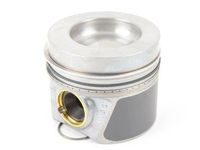
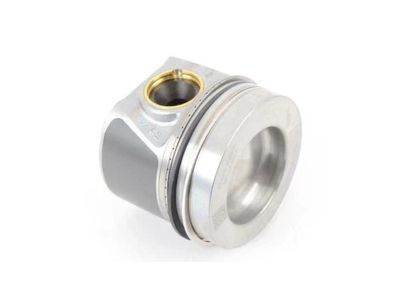
Audi A3 Piston Part Number: 06K-107-065-G
$171.36 MSRP: $240.00You Save: $68.64 (29%)Ships in 1-2 Business Days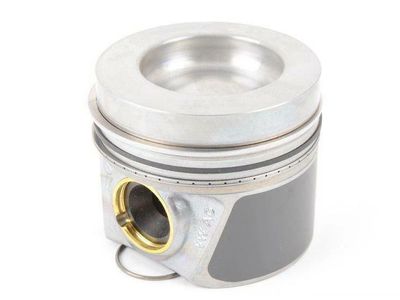
Audi A3 Piston Part Number: 04L-107-065-A-001
$410.54 MSRP: $574.99You Save: $164.45 (29%)Ships in 1-2 Business Days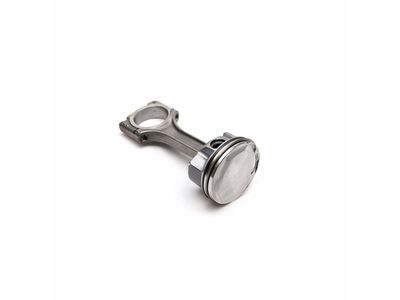
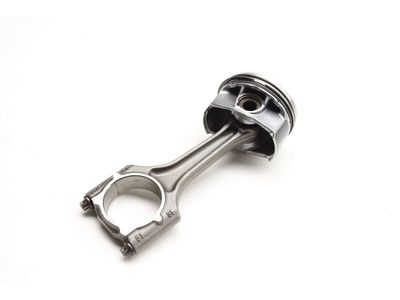
Audi A3 Piston Part Number: 06N-107-065-K
$428.39 MSRP: $599.98You Save: $171.59 (29%)Ships in 1-2 Business Days
Audi A3 Piston Part Number: 06H-107-065-AM
$227.05 MSRP: $318.00You Save: $90.95 (29%)Ships in 1-2 Business Days
Audi A3 Piston Part Number: 06K-107-065-AB
$180.77 MSRP: $253.18You Save: $72.41 (29%)Ships in 1-2 Business DaysAudi A3 Piston Part Number: 06K-107-065-AR
$340.34 MSRP: $476.67You Save: $136.33 (29%)Ships in 1-2 Business Days
Audi A3 Piston Part Number: 06D-107-066-AB
$401.61 MSRP: $562.48You Save: $160.87 (29%)Ships in 1-2 Business Days
Audi A3 Piston
Choose original equipment manufacturer Piston for great performance and strong durability. They use Audi's official craftsmanship and high-grade materials, and meet strict quality standards. Are you looking for quality Piston at a good price? Come to our online store. We carry a wide range of genuine parts for your Audi A3 and the prices are competitive. Each part comes with the manufacturer's warranty. You can install with confidence and get steady results. Over time, you'll save money and avoid hassle. Keep your maintenance simple and protect your vehicle with OEM parts. Get the quality your A3 needs now.
Audi A3 Piston Parts and Q&A
- Q:What steps should be taken before beginning the inspection process of piston/connecting rod assemblies on Audi A3?A:Clean the piston/connecting rod assemblies before commencing the inspection process and remove the original piston rings in the pistons. The rings must be smooth, polished in working surfaces without dull or carbon-covered areas and wear on the top and bottom surfaces. Make sure that end gaps are free of carbon but not polished and all rings must move freely in the grooves without excessive movement. In case of any rings worn off or damaged, then it is recommended that all rings should replace as a set, though they can be re-used again provided that they are in proper condition, and each ring should be marked to be properly refitted. Painstakingly stretch the old rings over the pistons with the old feeler blades to ensure that they do not fall in empty grooves without scratching the pistons. Clean off the top of the piston with a scrape, and take away the deposits in the ring grooves, with an old ring, taking care not to cut off any metal. Wipe the connecting rod/ piston assembly with paraffin or any appropriate solvent and dry completely, making sure that the oil recesses are clean. In case the pistons and cylinder bores are in good condition and the cylinder block does not require rebore, the original pistons can be refitted. Record the diameter of all four pistons at a given point and compare with specifications, in case of mistake it needs to be replaced. Check every piston to see whether there are cracks, scoring or burnt parts, these may be evidence of overheating or anomalous combustion. Examine any spots discovered to ensure that they do not happen again and inspected against corrosion caused by leakages of coolants. Check the feeler blade to the ring-to-groove clearance, and be sure that the right ring fits into the right groove; failure to do this may cause the piston to wear out, and necessitate renewal. Audi can access new pistons through an Audi dealer. Check connecting rods, making sure they are not damaged, bent, or distorted, and check gudgeon pins, making sure they are not worn. Removing circles and pushing out the gudgeon pin (heat may be required), separate the pistons and the connecting rods. Check gudgeon pin and small-end bearing, and replace where necessary. Get any new components through an Audi dealer those new pistons should have gudgeon pins and circlips. On reassembling, make sure the piston crown arrow is facing the end of the timing belt chain on the engine, and the connecting rod recesses and bearing cap recesses must be facing the same direction. Wipe some clean engine oil on gudgeon pin, insert and fix with new circlips checking position. Cleaning and inspection of the rest of the pistons and connecting rods should be repeated.
- Q:What steps should be followed for piston disassembly on Audi A3?A:Follow below steps depending on the engine type. SOHC petrol engines: remove the Cylinder Head, sump, oil baffle plate, oil pump, and pick-up pipe: 1.6 litre engines DOHC: remove the cylinder head, sump, and pick-up pipe: 2.0 litre engines DOHC: remove the cylinder head, sump, oil baffle plate, oil pump and pick-up pipe: diesel engines: remove the cylinder head, sump and pick-up pipe. Check the cylinder bore tops, and at the position the pistons pass to top dead centre, eliminate the ridges with a scraper or ridges reamer to avoid damaging the pistons. Identification marks on check connecting rods and big-end caps - check connecting rods and big-end caps should be marked with the cylinder number on one side; otherwise, mark them with a hammer and centre- punch. Direction marks Check the crowns of direction, look that an arrow points toward the end of the timing belt; clean the crowns with carbon and mark the crowns where needed. Turn the Crankshaft until Nos 1 and 4 pistons reach bottom dead centre, then undo bolts or nuts of No 1 piston big-end bearing cap, removing the cap and reclaimed bottom half bearing shell, then taping them together should they be re-used. Coat threaded pieces of bolts with insulating tape to avoid scratching of pistons during removal. Install the piston by hammer hammering with a hammer handle pushed up through the bore to remove it at the top of the cylinder block, but do not damage spray jets of piston cooling oil, and install the upper bearing shell, taped to the connecting rod. It is loose-fitted and the big-end cap is loosely fitted to the connecting rod and is held there by the screw of order. Take out No 4 piston assembly in the same fashion, and turn the crankshaft until the Nos 2 and 3 pistons are in bottom dead centre and take these out in the same manner. Where necessary, take the securing bolts out and pull the piston cooling oil spray jets out of the bottom of the cylinder block.