×
- Hello
- Login or Register
- Quick Links
- Live Chat
- Track Order
- Parts Availability
- RMA
- Help Center
- Contact Us
- Shop for
- Audi Parts

My Garage
My Account
Cart
Genuine Audi A3 Crankshaft
Crank Shaft- Select Vehicle by Model
- Select Vehicle by VIN
Select Vehicle by Model
orMake
Model
Year
Select Vehicle by VIN
For the most accurate results, select vehicle by your VIN (Vehicle Identification Number).
3 Crankshafts found
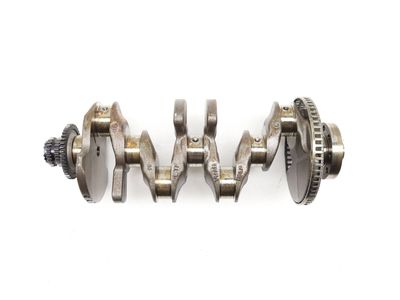
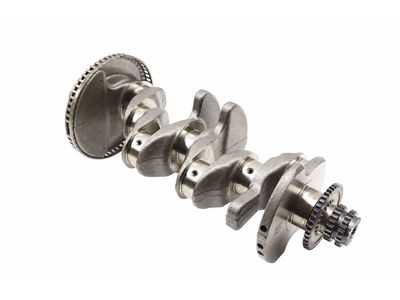
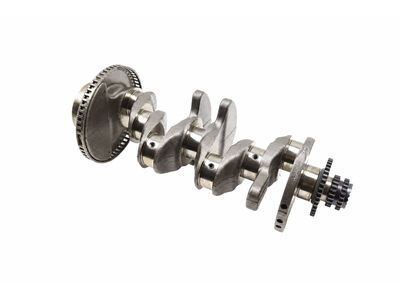
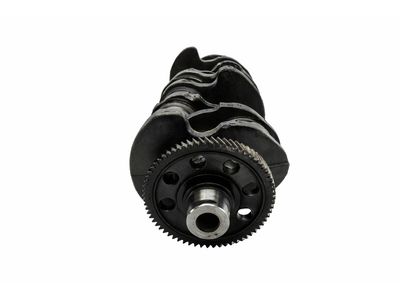
Audi A3 Crankshaft Part Number: 06L-105-101-F
$1204.86 MSRP: $1446.41You Save: $241.55 (17%)Ships in 1-2 Business Days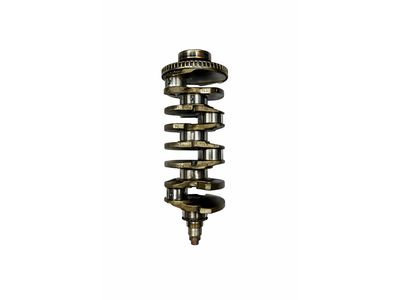
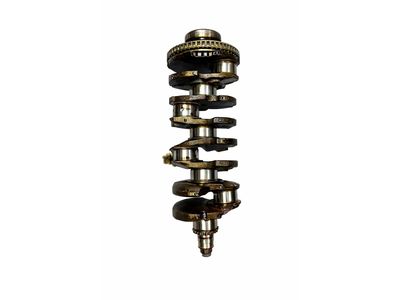
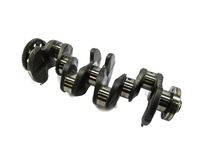
Audi A3 Crankshaft Part Number: 06A-105-021-BP
$1523.19 MSRP: $1828.56You Save: $305.37 (17%)Ships in 1-2 Business Days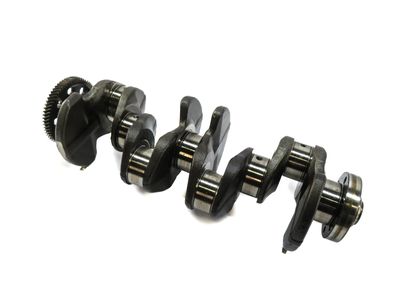
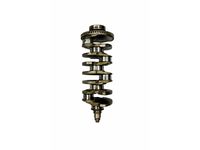
Audi A3 Crankshaft Part Number: 03L-105-021-C
$1573.76 MSRP: $1889.27You Save: $315.51 (17%)Ships in 1-2 Business Days
Audi A3 Crankshaft
Choose original equipment manufacturer Crankshaft for great performance and strong durability. They use Audi's official craftsmanship and high-grade materials, and meet strict quality standards. Are you looking for quality Crankshaft at a good price? Come to our online store. We carry a wide range of genuine parts for your Audi A3 and the prices are competitive. Each part comes with the manufacturer's warranty. You can install with confidence and get steady results. Over time, you'll save money and avoid hassle. Keep your maintenance simple and protect your vehicle with OEM parts. Get the quality your A3 needs now.
Audi A3 Crankshaft Parts and Q&A
- Q:What steps should be followed for removing pistons and connecting rods with respect to the crankshaft on Audi A3?A:If no work is to be done on the Pistons and connecting rods, there is no need to push the pistons out of the cylinder bores; they should be pushed far enough up the bores to be clear of the crankshaft journals. For SOHC petrol engines, remove the timing belt and crankshaft sprocket, sump and oil baffle plate, oil pump and pick-up pipe, flywheel/driveplate, and the crankshaft oil seal housings. For DOHC petrol engines, remove the timing belt/chain, sump, oil pump and pick-up pipe, flywheel/driveplate, and the crankshaft oil seal housing, noting that on 2.0 litre engines, the balancer shaft assembly must also be removed. For diesel engines, the same components as the SOHC petrol engines should be removed. Next, remove the pistons and connecting rods or disconnect them from the crankshaft. Check the crankshaft end float, then number the main bearing caps from 1 to 5 starting from the timing belt end of the engine, marking them with a centre-punch if they are not already marked, ensuring the orientation is noted for correct refitting. Slacken and remove the main bearing cap bolts, lifting off each cap, and if they are stuck, tap them with a soft-faced mallet to free them from the cylinder block. Recover the lower bearing shells and tape them to their caps for safekeeping, then recover the lower crankshaft end float control thrust washer halves from either side of the No 3 main bearing cap, noting their orientation. Lift the crankshaft from the cylinder block, taking care as it is heavy, and on engines with a crankshaft speed/position sensor fitted, lay the crankshaft on wooden blocks without resting it on the sensor wheel. Recover the upper bearing shells from the cylinder block and tape them to their respective caps for safekeeping, along with the upper crankshaft end float control thrust washer halves, noting their orientation. Finally, on engines with a crankshaft speed/position sensor wheel, unscrew the securing bolts and remove the sensor wheel, noting its orientation.
- Q:How to check the crankshaft end float and what steps should be taken if wear or damage is detected on Audi A3?A:The crankshaft end float should be checked by ensuring that the crankshaft is clamped in the cylinder block or crankcase but with a free range of movement. Measure the end float using a dial gauge pushing the crankshaft against its full range in one direction and zeroing the dial gauge and then in the other direction. Compare the result with the required amount to see whether new halves of thrust washers are required, and all thrust washers must be of a similar thickness. In the event that a dial gauge is not available, the distance between the web of the No 3 crankpin and the halves of the thrust washer may be measured by use of feeler blades after the crankshaft has been pushed towards the flywheel end. Wipe off the crankshaft with paraffin or other suitable solvent, wipe it off with a blast of compressed air where feasible and clear the oil holes to avoid blockage. Examine the main and big-end bearing journals on uneven wear, scoring, pitting and cracking. Big-end bearing wear can result in metallic knocking noise and loss of pressure, whilst main bearing wear can result in extreme engine vibration and rumble, which increases with engine speed. Inspect the bearing journal surface, which shall have a rough surface, which would mean that it should be re-grounded or replaced. In case crankshaft is reground, check the presence of burrs on the oil holes and clean them off as may be appropriate. Measure the main and big-end bearing journals diameter using a micrometer and look at out-of-roundness and taper by measurement at different points. Inspect the wear and damage of the oil seal contacts surfaces; grooves can be deep and need an expert of engine overhaul to ask whether it can be repaired or replaced. In case the crankshaft journals are not reground, re-conditioning might be done with undersize shells, but when worn past the specified limits, renewal will be required, and more details will be available on parts availability may be obtained at an Audi dealer or engine specialist.
Related Audi A3 Parts
 Audi A3 Oil Pan
 Audi A3 Timing Chain Tensioner
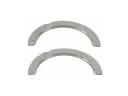 Audi A3 Crankshaft Thrust Washer
 Audi A3 Crankshaft Timing Gear
 Audi A3 Oil Filler Cap
 Audi A3 Oil Pan Baffle
 Audi A3 Rocker Arm
 Audi A3 Valve Cover
 Audi A3 Valve Spring Retainer Keeper
 Audi A3 Valve Stem Seal
 Audi A3 Variable Timing Solenoid
 Audi A3 Variable Timing Sprocket