×
- Hello
- Login or Register
- Quick Links
- Live Chat
- Track Order
- Parts Availability
- RMA
- Help Center
- Contact Us
- Shop for
- Audi Parts

My Garage
My Account
Cart
Genuine Audi A3 Brake Caliper
Caliper- Select Vehicle by Model
- Select Vehicle by VIN
Select Vehicle by Model
orMake
Model
Year
Select Vehicle by VIN
For the most accurate results, select vehicle by your VIN (Vehicle Identification Number).
22 Brake Calipers found
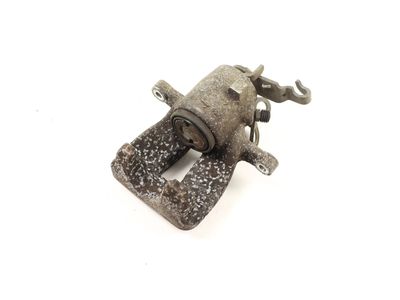
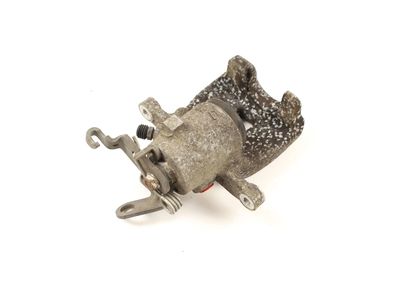
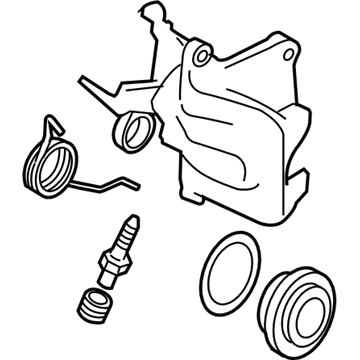
Audi A3 Caliper Part Number: 1K0-615-424-N
$271.32 MSRP: $380.00You Save: $108.68 (29%)Ships in 1-2 Business Days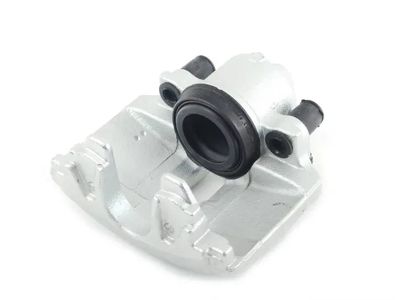
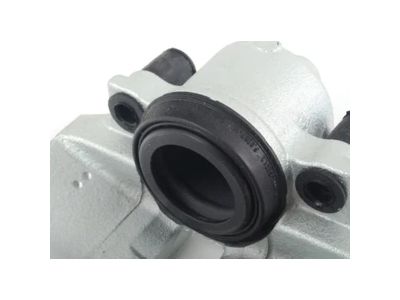
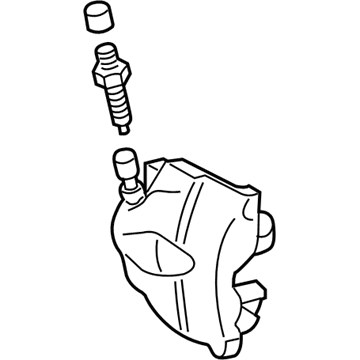
Audi A3 Caliper Part Number: 1K0-615-124-E
$293.62 MSRP: $411.24You Save: $117.62 (29%)Ships in 1-2 Business Days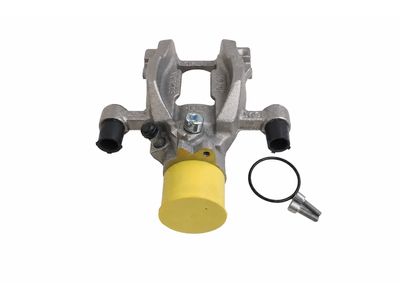
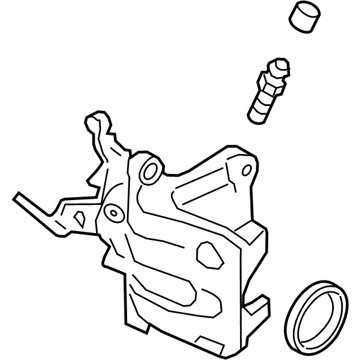
Audi A3 Caliper Part Number: 3Q0-615-423-F-SL7
$296.75 MSRP: $415.61You Save: $118.86 (29%)Ships in 1-2 Business Days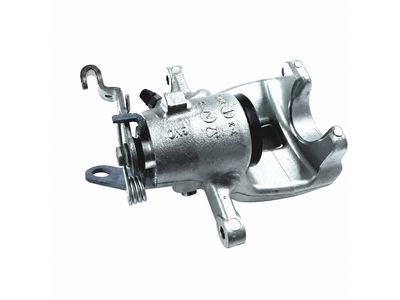
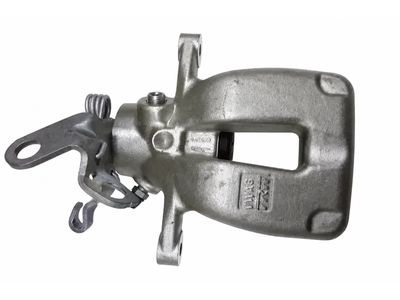
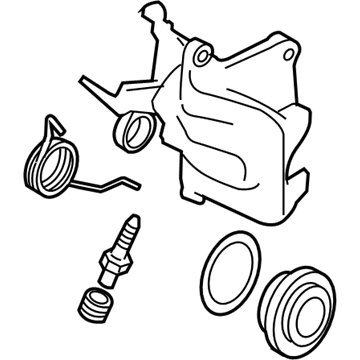
Audi A3 Caliper Part Number: 1K0-615-424-M
$343.60 MSRP: $481.24You Save: $137.64 (29%)Ships in 1-2 Business Days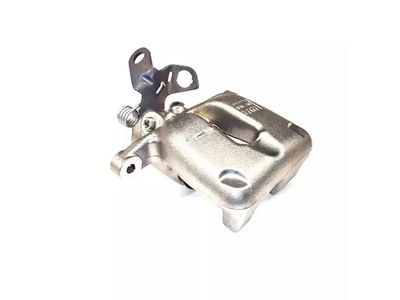
Audi A3 Caliper Part Number: 1K0-615-423-M
$343.60 MSRP: $481.24You Save: $137.64 (29%)Ships in 1-2 Business Days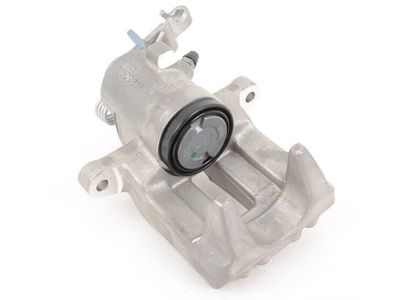
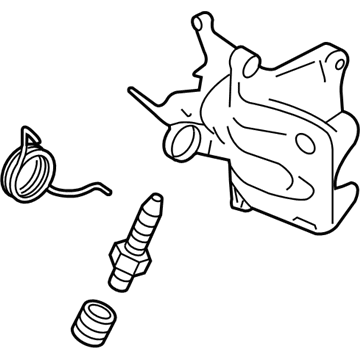
Audi A3 Caliper Part Number: 1K0-615-424-J
$349.85 MSRP: $489.99You Save: $140.14 (29%)Ships in 1-2 Business Days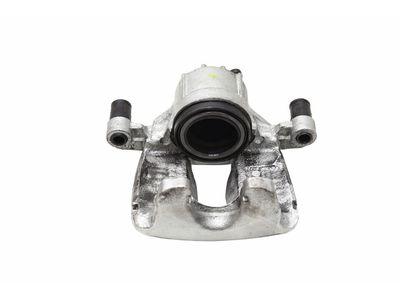
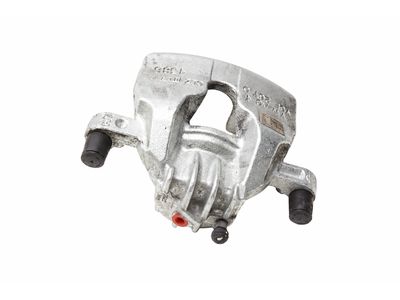
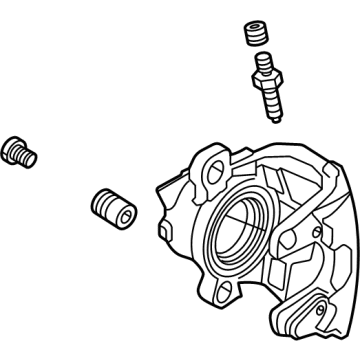
Audi A3 Caliper Part Number: 5WA-615-124-E
$427.95 MSRP: $599.36You Save: $171.41 (29%)Ships in 1-2 Business Days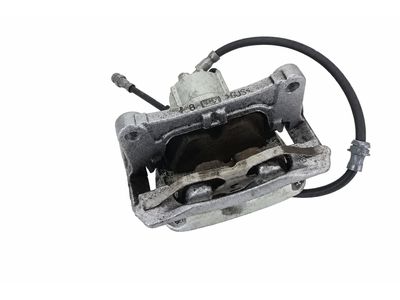
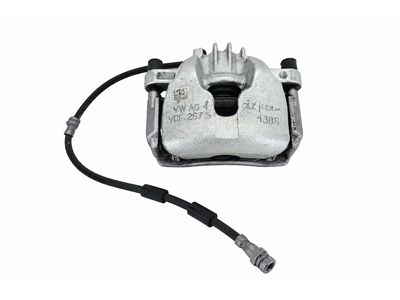
Audi A3 Caliper Part Number: 5WA-615-123-E
$427.95 MSRP: $599.36You Save: $171.41 (29%)Ships in 1-2 Business Days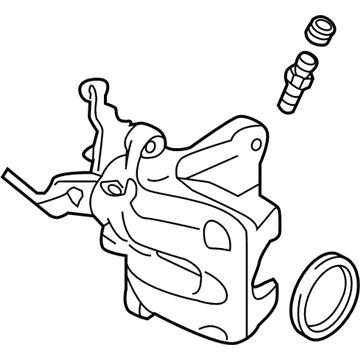
Audi A3 Caliper Part Number: 8V0-615-423-D
$331.11 MSRP: $463.74You Save: $132.63 (29%)Ships in 1-2 Business DaysAudi A3 Caliper Part Number: 8V0-615-424-D
$352.98 MSRP: $494.36You Save: $141.38 (29%)Ships in 1-2 Business Days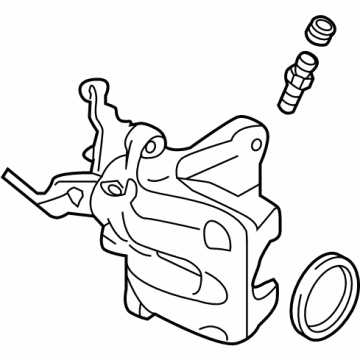
Audi A3 Caliper Part Number: 5WA-615-424-SL7
$85.32 MSRP: $119.50You Save: $34.18 (29%)Ships in 1-2 Business DaysAudi A3 Caliper Part Number: 5WA-615-124-A
$216.58 MSRP: $303.32You Save: $86.74 (29%)Ships in 1-2 Business Days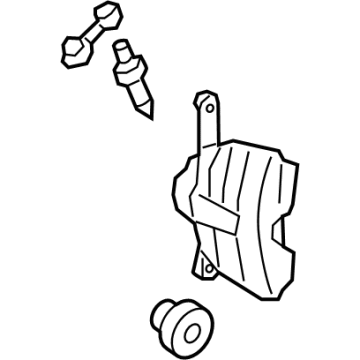
Audi A3 Caliper Part Number: 3C0-615-123
$236.14 MSRP: $330.74You Save: $94.60 (29%)Ships in 1-2 Business DaysAudi A3 Caliper Part Number: 3C0-615-124
$249.89 MSRP: $349.99You Save: $100.10 (29%)Ships in 1-2 Business DaysAudi A3 Caliper Part Number: 5WA-615-423-SL7
$241.93 MSRP: $338.83You Save: $96.90 (29%)Ships in 1-2 Business DaysAudi A3 Caliper Part Number: 1K0-615-423-N
$278.46 MSRP: $390.00You Save: $111.54 (29%)Ships in 1-2 Business DaysAudi A3 Caliper Part Number: 3Q0-615-424-F-SL7
$296.75 MSRP: $415.61You Save: $118.86 (29%)Ships in 1-2 Business DaysAudi A3 Caliper Part Number: 5K0-615-424
$300.46 MSRP: $420.82You Save: $120.36 (29%)Ships in 1-2 Business DaysAudi A3 Caliper Part Number: 5K0-615-423
$393.58 MSRP: $551.24You Save: $157.66 (29%)Ships in 1-2 Business DaysAudi A3 Caliper Part Number: 5WA-615-123-A
$406.08 MSRP: $568.74You Save: $162.66 (29%)Ships in 1-2 Business Days
| Page 1 of 2 |Next >
1-20 of 22 Results
Audi A3 Brake Caliper
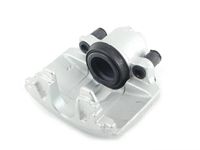
The main idea of the Audi A3 Brake Caliper is in the fact that the rotating disc is pressed in this way that the car should slow down suddenly and evenly, and the force of the pedal is transformed to the force of clamping by incompressible hydraulic fluid. The caliper is mounted above each rotor and moves relative to the master cylinder pressure by forcing one or more pistons outward, pressing the inner pad against the disc and drawing the outer pad toward it to achieve equal halting. There are two dominant styles that have been applied on Audi compacts over the years and these calipers share the same foundation as Audi in the wider scope. The fixed Brake Caliper is firmly attached to its bracket and uses opposing pistons on either end, which results in sharper bite and even wear, though it is more expensive and cannot tolerate rotor flaws. The floating Brake Caliper, also known as sliding, has pistons on the inboard side only and thus, when the inboard piston is moved, the entire body is pulled laterally, pinching the disc, which saves weight and money but can become stuck when it loses its slide pins or corrodes. Another more unusual type of swinging hinge is mounted on a single bolt and uses pad shapes that resemble wedges to fit the varying angle. When the car is slowing down, the pedal is soft, or the acceleration is dulled by some dragging sensation, drivers might notice that something is amiss with the car and that the Audi Brake Caliper piston is likely to be stuck. Regular fluid replacement and cleaning can help the Audi stop straight and maintain fuel economy and pad life in any generation A3.
Choose original equipment manufacturer Brake Caliper for great performance and strong durability. They use Audi's official craftsmanship and high-grade materials, and meet strict quality standards. Are you looking for quality Brake Caliper at a good price? Come to our online store. We carry a wide range of genuine parts for your Audi A3 and the prices are competitive. Each part comes with the manufacturer's warranty. You can install with confidence and get steady results. Over time, you'll save money and avoid hassle. Keep your maintenance simple and protect your vehicle with OEM parts. Get the quality your A3 needs now.
Audi A3 Brake Caliper Parts and Q&A
- Q:What should you be aware of before starting work on removing a front brake caliper on Audi A3?A:Be careful of the risks of hydraulic fluid and asbestos dust before going to work. To access the brake caliper, one has to engage the handbrake, lift the front of the car on the jack and then place the vehicle on axle stands and then remove respective roadwheel. To reduce the loss of fluids, remove the master cylinder reservoir cap and cover it with polythene or brake hose clamp. Clean up the area surrounding the union and loosen up the brake hose union nut then remove the brake pads and unscrew the caliper off the brake hose. In the case of the overhaul, wash the caliper on a bench without breathing in dust and remove the partially-ejected piston whilst removing the dust seal. The piston hydraulic seal is then very carefully removed with a small screwdriver, without damaging the caliper bore. Wipe out all parts with methylated spirit, isopropyl alcohol or clean hydraulic fluid, without mineral-based solvents, and dry thoroughly. Inspect all the parts, especially the cylinder bore and piston, and replace the ones that are not in good state. In case the assembly can be used then get the corresponding repair kit and replace all rubber seals, dust covers and caps. It is important to note that when reassembling, it is essential to have all the parts clean and dry and then a thin layer of brake fitting paste applied over the piston and piston seal. Install the new piston seal with fingers, install the dust seal, re-insert the piston in the cylinder bore. To refit, screw caliper to the flexible hose union, then reattach brake pads and screw nut of brake pipe union. Unclamp at least clamp or polythene that has been applied to reduce fluid loss and bleed the hydraulic system, then reassemble the roadwheel, put the vehicle on the ground, and screw the roadwheel bolts to their correct torque.
- Q:What should you be aware of before starting work on the rear Brake Caliper and hydraulic fluid and asbestos dust on Audi A3?A:When coming to work, learn about the risks of hydraulic fluid and asbestos dust. In order to loosen the rear wheel, chock the front ones, jack -lift the back of the car and place it on axle supports. Reduce loss of fluid by taking out the master cylinder reservoir cap and sealing it with polythene or brake hose clamp. Wipe the surrounding of the union on the caliper and loosen the nuts. Take the caliper off the brake pads, unscrew it off the flexible hose and take it out of the vehicle. Brake caliper handbrake mechanism can not be overhauled, in case of faultiness or leak, then it will be necessary to change the caliper assembly. Wipe dust and dirt on the bench, but not breathing in. Be careful not to tear the dust seal with a small screwdriver when opening it and then use circlip pliers to rotate the piston anti-clockwise and then withdraw it by hand. Remove the piston hydraulic seal(s) without breaking the caliper bore, the guide pins, and remove the gaiters of the guide sleeve. Clean all parts using methylated spirit, isopropyl alcohol or clean hydraulic fluid, but not mineral based solvents. Inspect all parts of wear or damage, especially, the cylinder bore and the piston, which must be replaced in case of scratches or corrosion. Get repair kit when required and replace all the rubber covers and dust covers and caps as it must not be used again. Care should be taken to ensure that all parts are clean and dry upon re-assembly and which a very thin layer of brake fitting paste on the piston, seal and bore. Install the new piston seal followed by the new dust seal with fingers and then re-attach the piston assembly by turning clockwise and then fully re-tracted. Insert the dust seal, grease the guide pins, install new gaiters, and make sure that they are in the right place in the grooves. Put fresh hydraulic fluid in the caliper by loosening the bleed screw and pumping until all the bubbles are cleaned out. Attach the screwed caliper to the flexible hose union, reattach it to the brake pads and tightly screw the brake pipe union nut. Take out the brake hose clamp/polythene of the fluid reservoir and bleed the hydraulic system, in most instances, it is just necessary to bleed the corresponding rear brake. Connect the handbrake cable to the caliper, re-adjust the handbrake, re-fit the roadwheel, lower the vehicle, then tighten the roadwheel bolts to the required torque and test the level of the hydraulic fluid when done.
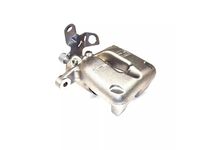
Related Audi A3 Parts
 Audi A3 Brake Pads
 Audi A3 Brake Booster Vacuum Hose
 Audi A3 Speed Sensor
 Audi A3 Wheel Bearing
 Audi A3 Wheel Hub
 Audi A3 ABS Pump And Motor Assembly
 Audi A3 Brake Bleeder Screw
 Audi A3 Brake Caliper Bracket
 Audi A3 Brake Fluid Pump
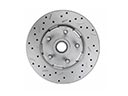 Audi A3 Brake Rotor
 Audi A3 Hydraulic Hose
 Audi A3 Parking Brake Cable
Browse by Year
2024 Brake Caliper 2023 Brake Caliper 2022 Brake Caliper 2020 Brake Caliper 2019 Brake Caliper 2018 Brake Caliper 2017 Brake Caliper 2016 Brake Caliper 2015 Brake Caliper 2013 Brake Caliper 2012 Brake Caliper 2011 Brake Caliper 2010 Brake Caliper 2009 Brake Caliper 2008 Brake Caliper 2007 Brake Caliper 2006 Brake Caliper