×
- Hello
- Login or Register
- Quick Links
- Live Chat
- Track Order
- Parts Availability
- RMA
- Help Center
- Contact Us
- Shop for
- Audi Parts

My Garage
My Account
Cart
Genuine Audi 90 Flywheel
Clutch Flywheel- Select Vehicle by Model
- Select Vehicle by VIN
Select Vehicle by Model
orMake
Model
Year
Select Vehicle by VIN
For the most accurate results, select vehicle by your VIN (Vehicle Identification Number).
6 Flywheels found
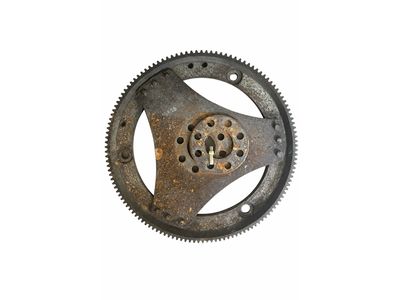
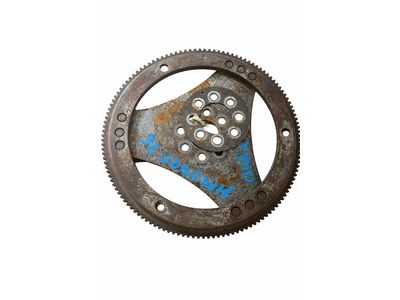
Audi 90 Drive Plate Part Number: 078-105-323-A
$291.55 MSRP: $408.33You Save: $116.78 (29%)Ships in 1-2 Business Days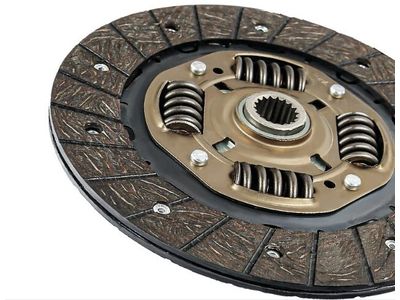
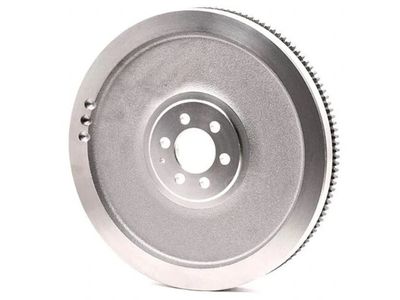
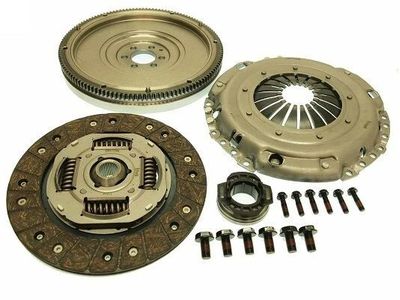
Audi 90 Flywheel Part Number: 026-105-269-L
$404.59 MSRP: $566.65You Save: $162.06 (29%)Ships in 1-2 Business Days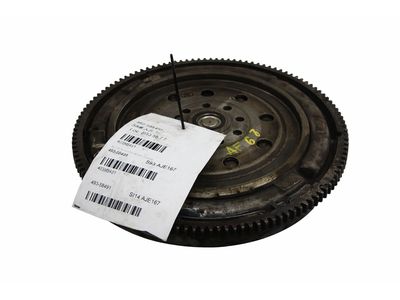
Audi 90 Flywheel Part Number: 078-105-266-D
$1755.25 MSRP: $2107.14You Save: $351.89 (17%)Ships in 1-2 Business Days
Audi 90 Drive Plate Part Number: 053-105-323-G
$202.78 MSRP: $284.00You Save: $81.22 (29%)Ships in 1-2 Business DaysAudi 90 Flywheel Part Number: 034-105-270-E
$428.40 MSRP: $600.00You Save: $171.60 (29%)Ships in 1-2 Business Days
Audi 90 Flywheel Part Number: 034-105-270-MX
$157.57 MSRP: $214.80You Save: $57.23 (27%)Ships in 1-2 Business Days
Audi 90 Flywheel
Choose original equipment manufacturer Flywheel for great performance and strong durability. They use Audi's official craftsmanship and high-grade materials, and meet strict quality standards. Are you looking for quality Flywheel at a good price? Come to our online store. We carry a wide range of genuine parts for your Audi 90 and the prices are competitive. Each part comes with the manufacturer's warranty. You can install with confidence and get steady results. Over time, you'll save money and avoid hassle. Keep your maintenance simple and protect your vehicle with OEM parts. Get the quality your 90 needs now.
Audi 90 Flywheel Parts and Q&A
- Q:How to remove and inspect the flywheel/driveplate on Audi 90?A:On manual gearbox models, remove the gearbox and clutch, while on automatic transmission models, remove the automatic transmission. The flywheel/driveplate bolts are offset to ensure correct fitment; unscrew the bolts while holding the flywheel/driveplate stationary. Temporarily insert a bolt in the cylinder block and use a screwdriver to hold the flywheel/driveplate, or create a holding tool. Lift the flywheel/driveplate from the crankshaft, noting the location of the shim and spacer if removing a driveplate. Check the flywheel/driveplate for wear and damage, and examine the starter ring gear for excessive wear to the teeth. If the driveplate or its ring gear are damaged, the complete driveplate must be renewed, although the flywheel ring gear may be renewed separately from the flywheel, with the work recommended to be done by an Audi dealer. If the clutch friction face is discolored or excessively scored, regrinding may be possible, but this should also be entrusted to an Audi dealer. Note that if the flywheel/driveplate is renewed, the new part will only have a TDC mark, necessitating the addition of an ignition timing mark accordingly. Refitting is a reversal of removal; coat the threads of the new bolts with locking fluid before inserting and tightening them to the specified torque. If a replacement driveplate is fitted, its position must be checked and adjusted if necessary, ensuring the distance from the rear face of the block to the torque converter mounting face on the driveplate is between 30.5 and 32.1 mm (1.20 and 1.26 in). If necessary, remove the driveplate and fit a spacer behind it to achieve the correct dimension.
- Q:How to renew the flywheel on Audi 90?A:The procedure involves marking the flywheel/driveplate in relation to the Crankshaft, as the retaining bolt holes are not offset. When renewing the flywheel on the 20-valve engine, it is necessary to fit two new ignition timing point pins. Furthermore, the ignition sender and engine speed sender should be adjusted to be between 0.50 and 1.25 mm (0.020 and 0.049 in) from the timing point pin and starter ring gear, respectively, using a feeler gauge for the adjustment.