×
- Hello
- Login or Register
- Quick Links
- Live Chat
- Track Order
- Parts Availability
- RMA
- Help Center
- Contact Us
- Shop for
- Audi Parts

My Garage
My Account
Cart
Genuine Audi TT Quattro Seat Belt
Seat Safety Belt- Select Vehicle by Model
- Select Vehicle by VIN
Select Vehicle by Model
orMake
Model
Year
Select Vehicle by VIN
For the most accurate results, select vehicle by your VIN (Vehicle Identification Number).
56 Seat Belts found
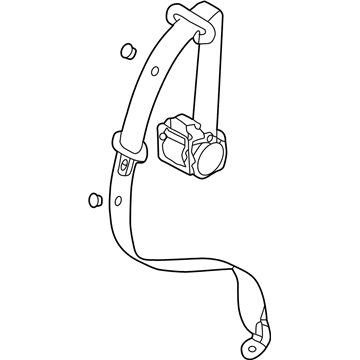
Audi TT Quattro Lap & Shoulder Belt Part Number: 8N8-857-805-27D
$206.81 MSRP: $289.65You Save: $82.84 (29%)Ships in 1-2 Business Days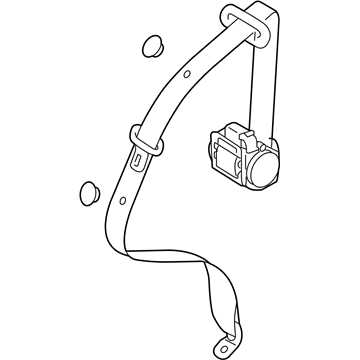
Audi TT Quattro Lap & Shoulder Belt Part Number: 8J8-857-806-K-VMQ
$215.39 MSRP: $301.67You Save: $86.28 (29%)Ships in 1-2 Business DaysAudi TT Quattro Lap & Shoulder Belt Part Number: 8J8-857-806-K-TPT
$215.39 MSRP: $301.67You Save: $86.28 (29%)Ships in 1-2 Business DaysAudi TT Quattro Lap & Shoulder Belt Part Number: 8J8-857-805-K-VMQ
$215.39 MSRP: $301.67You Save: $86.28 (29%)Ships in 1-2 Business DaysAudi TT Quattro Lap & Shoulder Belt Part Number: 8J8-857-805-K-TPT
$215.39 MSRP: $301.67You Save: $86.28 (29%)Ships in 1-2 Business DaysAudi TT Quattro Lap & Shoulder Belt Part Number: 8N8-857-805-QXP
$219.91 MSRP: $308.00You Save: $88.09 (29%)Ships in 1-2 Business DaysAudi TT Quattro Lap & Shoulder Belt Part Number: 8N8-857-805-28E
$219.91 MSRP: $308.00You Save: $88.09 (29%)Ships in 1-2 Business Days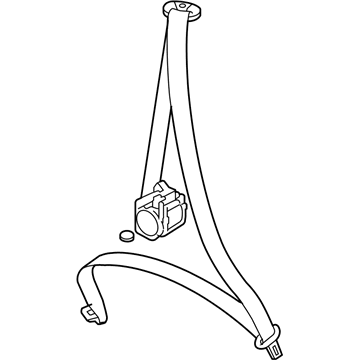
Audi TT Quattro Lap & Shoulder Belt Part Number: 8N8-857-706-F-27D
$310.59 MSRP: $435.00You Save: $124.41 (29%)Ships in 1-2 Business DaysAudi TT Quattro Lap & Shoulder Belt Part Number: 8N7-857-705-E-20G
$310.59 MSRP: $435.00You Save: $124.41 (29%)Ships in 1-2 Business DaysAudi TT Quattro Lap & Shoulder Belt Part Number: 8N7-857-705-D-20G
$310.59 MSRP: $435.00You Save: $124.41 (29%)Ships in 1-2 Business DaysAudi TT Quattro Lap & Shoulder Belt Part Number: 8N8-857-705-F-27D
$321.30 MSRP: $450.00You Save: $128.70 (29%)Ships in 1-2 Business DaysAudi TT Quattro Lap & Shoulder Belt Part Number: 8N7-857-705-E-MSP
$321.30 MSRP: $450.00You Save: $128.70 (29%)Ships in 1-2 Business DaysAudi TT Quattro Lap & Shoulder Belt Part Number: 8N7-857-705-D-MSP
$321.30 MSRP: $450.00You Save: $128.70 (29%)Ships in 1-2 Business Days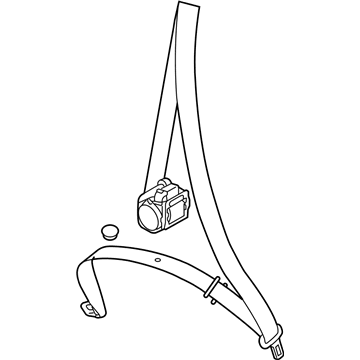

Audi TT Quattro Lap & Shoulder Belt Part Number: 8J8-857-706-D-VMQ
$321.30 MSRP: $450.00You Save: $128.70 (29%)Ships in 1-2 Business DaysAudi TT Quattro Lap & Shoulder Belt Part Number: 8J8-857-705-E-VMQ
$321.30 MSRP: $450.00You Save: $128.70 (29%)Ships in 1-2 Business DaysAudi TT Quattro Lap & Shoulder Belt Part Number: 8N8-857-706-F-28E
$328.44 MSRP: $460.00You Save: $131.56 (29%)Ships in 1-2 Business DaysAudi TT Quattro Lap & Shoulder Belt Part Number: 8N8-857-706-F-21F
$328.44 MSRP: $460.00You Save: $131.56 (29%)Ships in 1-2 Business DaysAudi TT Quattro Lap & Shoulder Belt Part Number: 8N8-857-705-F-28E
$328.44 MSRP: $460.00You Save: $131.56 (29%)Ships in 1-2 Business DaysAudi TT Quattro Lap & Shoulder Belt Part Number: 8N7-857-705-E-28E
$328.44 MSRP: $460.00You Save: $131.56 (29%)Ships in 1-2 Business DaysAudi TT Quattro Lap & Shoulder Belt Part Number: 8N7-857-705-E-21F
$328.44 MSRP: $460.00You Save: $131.56 (29%)Ships in 1-2 Business Days
| Page 1 of 3 |Next >
1-20 of 56 Results
Audi TT Quattro Seat Belt
Choose original equipment manufacturer Seat Belt for great performance and strong durability. They use Audi's official craftsmanship and high-grade materials, and meet strict quality standards. Are you looking for quality Seat Belt at a good price? Come to our online store. We carry a wide range of genuine parts for your Audi TT Quattro and the prices are competitive. Each part comes with the manufacturer's warranty. You can install with confidence and get steady results. Over time, you'll save money and avoid hassle. Keep your maintenance simple and protect your vehicle with OEM parts. Get the quality your TT Quattro needs now.
Audi TT Quattro Seat Belt Parts and Q&A
- Q:What should you watch for regarding airbag identification tags and Seat Belt inspections on Audi TT Quattro?A:In addition to the labels mentioned, at various places around the inside of the vehicle, watch for airbag identification tags. The number and placement of tags depend on vehicle equipment. Belt webbing should be visually and operationally checked that it automatically retracts, the belt latch mechanism (guide stop), the seatbelt locking tongue, anchoring points and components for wear and damage, together and separately. Fully extend the belt webbing off the automatic belt retractor and check for soiling and wash in a solution of mild soap and water, if necessary. Check webbing for damage; activated pyrotechnic seatbelts do not retract and need be replaced. The occupant or vehicle movement activates the two locking functions of the retractor. Test the first operation by yanking the belt out sharply - the belt must lock while you're pulling it out. If it's not OK, replace the belt and latch. To carry out the second function, securely fasten the belt, drive on a clear and level surface to 12 mph, and fully apply the brake; the seatbelt should become locked as the vehicle stops. The latch for the seatbelts must be inspected for cracks and fractures and used to test the function for proper engagement and release. Examine seatbelt extenders, guides and lock tongues for damage and replace as necessary. Examine lock straps, height adjusters and anchor points for damage and test for proper operation. Replace any damaged or malfunctioning parts.
- Q:How to safely remove and install a Seat Belt in the roadster on Audi TT Quattro?A:Pay close attention to the warnings. Detach the negative (-) battery cable. To expose the anchorage point for the outer floor panel, pull the flap of the cover in the direction of the arrow. When removing it, pull the cover downwards if necessary. When fitting it, put the tab underneath the floor covering. Detach the seat belt from the floor and when fitting, tighten the bolt to 55 Nm (41 ft-lb) Use a screwdriver to carefully pry off the seatbelt guide trim in the direction of the arrow and remove the mounting bolt, which you will tighten to 55 Nm (41 ft-lb) on installation. Extract the rear side trim and rear storage compartment, after which the mounting bolts and speaker can be removed. When installing, remove the mounting bolt for the belt tensioner and tighten to 55 Nm (41 ft-lb). Take out the belt tensioner and unplug the harness connector, then detach the seatbelt from the vehicle and fit in the opposite order of taking out the component. Ensure proper functionality of the installed belt.
Related Audi TT Quattro Parts
 Audi TT Quattro Back Up Light Switch
 Audi TT Quattro Exhaust Nut
 Audi TT Quattro Fuel Door Switch
 Audi TT Quattro Horn
 Audi TT Quattro Ignition Switch
 Audi TT Quattro Knock Sensor
 Audi TT Quattro Oil Pressure Gauge
 Audi TT Quattro Spark Plug
 Audi TT Quattro Temperature Sender
 Audi TT Quattro Windshield Wiper Switch
 Audi TT Quattro Wiper Linkage
 Audi TT Quattro Wiper Pivot
Browse by Year
2023 Seat Belt
2022 Seat Belt
2021 Seat Belt
2020 Seat Belt
2019 Seat Belt
2018 Seat Belt
2017 Seat Belt
2016 Seat Belt
2015 Seat Belt
2014 Seat Belt
2013 Seat Belt
2012 Seat Belt
2011 Seat Belt
2010 Seat Belt
2009 Seat Belt
2008 Seat Belt
2006 Seat Belt
2005 Seat Belt
2004 Seat Belt
2003 Seat Belt
2002 Seat Belt
2001 Seat Belt
2000 Seat Belt