×
- Hello
- Login or Register
- Quick Links
- Live Chat
- Track Order
- Parts Availability
- RMA
- Help Center
- Contact Us
- Shop for
- Audi Parts

My Garage
My Account
Cart
Genuine Audi A4 Thermostat
Engine Coolant Thermostat- Select Vehicle by Model
- Select Vehicle by VIN
Select Vehicle by Model
orMake
Model
Year
Select Vehicle by VIN
For the most accurate results, select vehicle by your VIN (Vehicle Identification Number).
10 Thermostats found
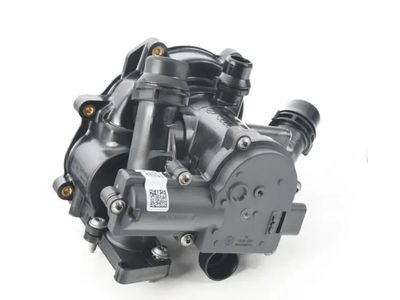
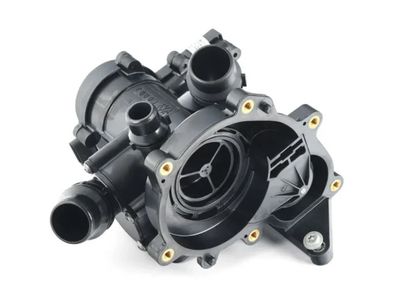
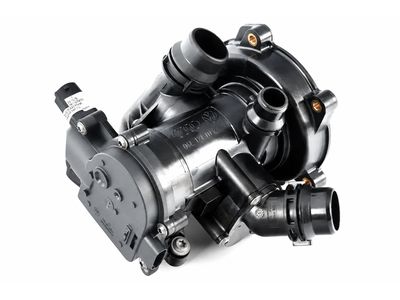
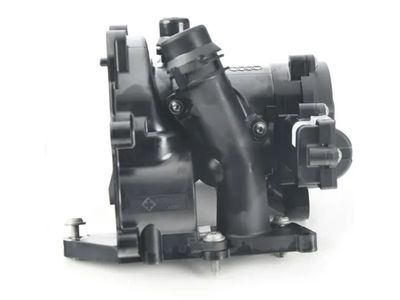
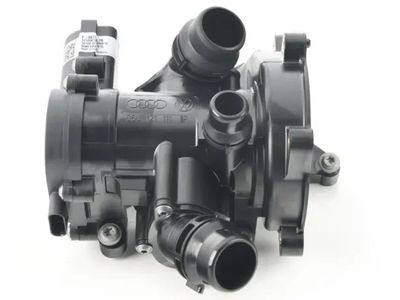
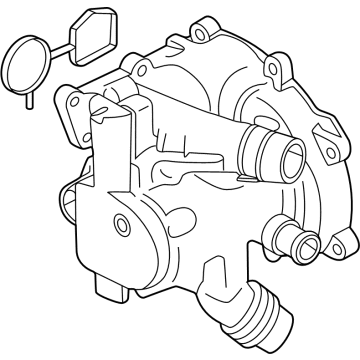
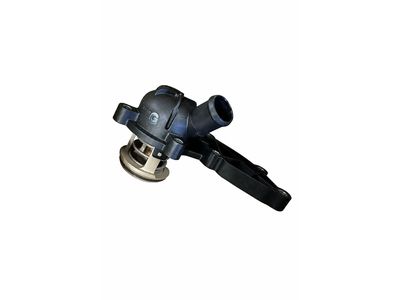
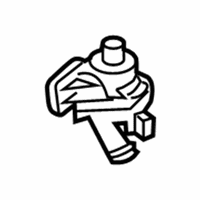
Audi A4 Water Pump Housing Part Number: 06L-121-111-P
$415.21 MSRP: $581.53You Save: $166.32 (29%)Ships in 1-2 Business Days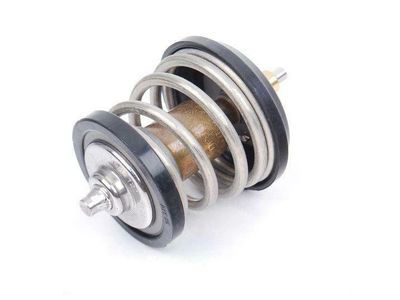
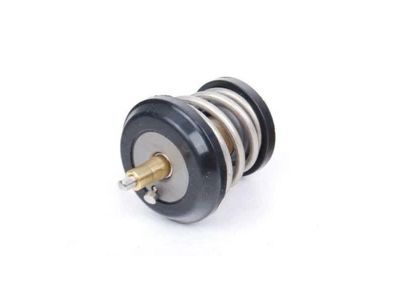
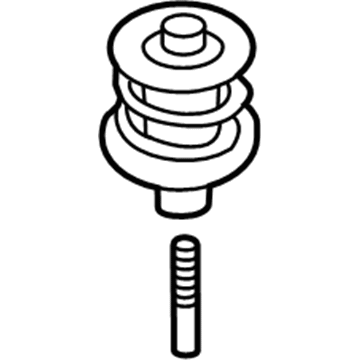
Audi A4 Thermostat Part Number: 06H-121-113-B
$90.43 MSRP: $126.65You Save: $36.22 (29%)Ships in 1-2 Business Days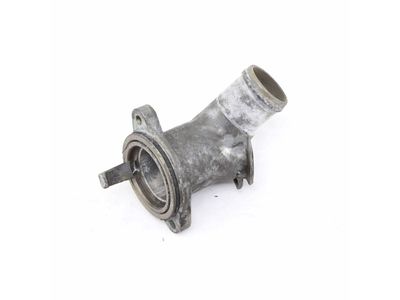
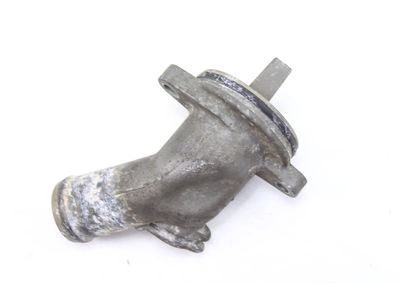
Audi A4 Thermostat Housing Part Number: 06C-121-111-E
$117.80 MSRP: $164.98You Save: $47.18 (29%)Ships in 1-2 Business Days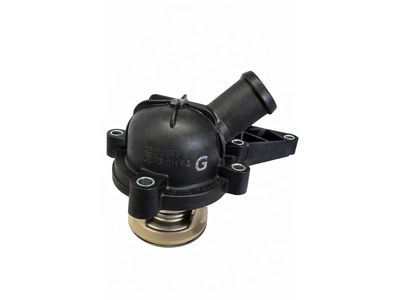
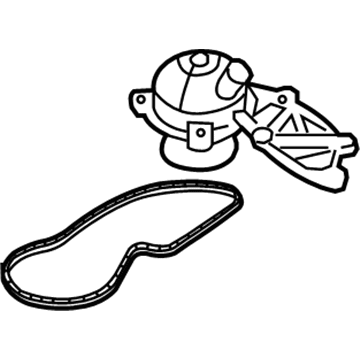
Audi A4 Thermostat Housing Part Number: 06E-121-111-G
$120.19 MSRP: $168.33You Save: $48.14 (29%)Ships in 1-2 Business Days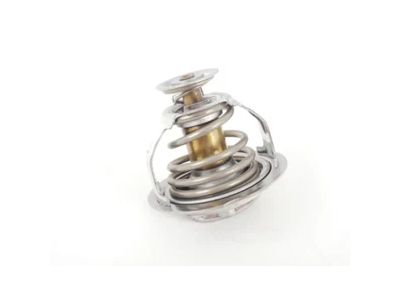
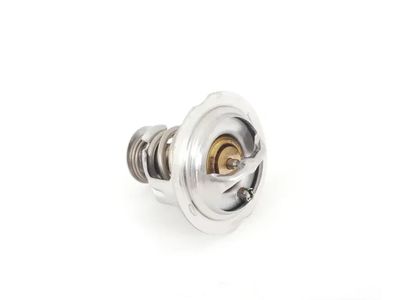
Audi A4 Thermostat Part Number: 06J-121-113-A
$127.32 MSRP: $178.32You Save: $51.00 (29%)Ships in 1-2 Business Days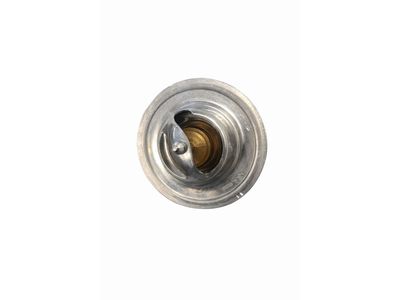
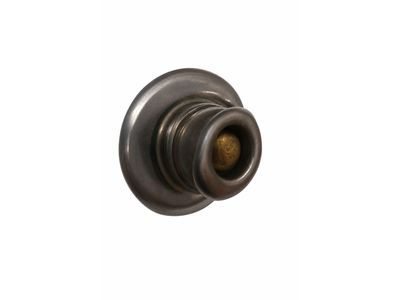

Audi A4 Thermostat Part Number: 050-121-113-C
$44.52 MSRP: $61.32You Save: $16.80 (28%)Ships in 1-2 Business Days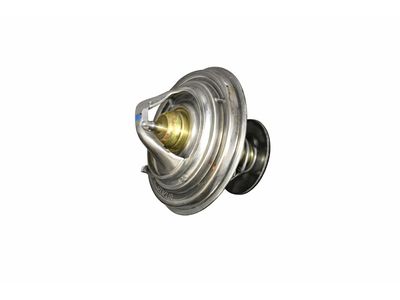

Audi A4 Thermostat Part Number: 078-121-113-F
$47.90 MSRP: $65.98You Save: $18.08 (28%)Ships in 1-2 Business Days
Audi A4 Thermostat Housing Part Number: 06B-121-111-K
$264.76 MSRP: $370.82You Save: $106.06 (29%)Ships in 1-2 Business Days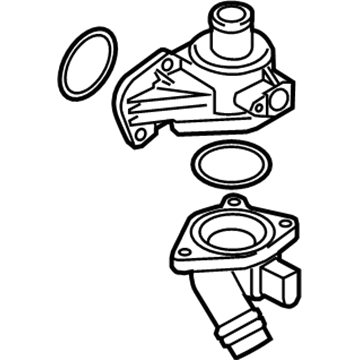
Audi A4 Thermostat Housing Part Number: 06D-121-111-G
$86.87 MSRP: $121.67You Save: $34.80 (29%)Ships in 1-2 Business Days
Audi A4 Thermostat Part Number: 078-121-113-G
$47.90 MSRP: $65.98You Save: $18.08 (28%)Ships in 1-2 Business Days
Audi A4 Thermostat
The Audi A4 Thermostat maintains the engine within its optimum temperature range to ensure that power and economy remain the same every time the car is driven. Located close to the radiator, this small Thermostat item checks the temperature of the coolant and does not open the valve until the temperature of the liquid wax in it reaches a preset point, after which fluid is directed to the radiator and the heat is removed before the block becomes overheated. Once the Thermostat detects cooler liquid, the wax shrinks, the valve closes, and the system reheats, allowing the motor to attain optimal working heat in minimal time to produce fewer emissions and a less rough takeoff. The early Audi A4 models applied solely expansion and contraction to cycle, relying only on mechanical units with wax pellets, which were hailed as a simple and reliable design. Continued innovation in the Audi A4 then matched the same core wax with electronic sensors integrated into the Thermostat that transmit temperature information to the central Audi engine control unit and thus allow faster reaction to heavy loads or cold starts without altering the fundamental actuation concept. They both set the same optimal temperature range, but the electronically monitored layout has more rigid limits and can display dashboard messages when left stuck open or closed, which provides the driver with an additional source of comfort. In any generation, all A4s use this four-letter hero to stabilize heating and avoid expensive damage, and frequent coolant changes make the Thermostat serve the desired Audi powertrain life.
Choose original equipment manufacturer Thermostat for great performance and strong durability. They use Audi's official craftsmanship and high-grade materials, and meet strict quality standards. Are you looking for quality Thermostat at a good price? Come to our online store. We carry a wide range of genuine parts for your Audi A4 and the prices are competitive. Each part comes with the manufacturer's warranty. You can install with confidence and get steady results. Over time, you'll save money and avoid hassle. Keep your maintenance simple and protect your vehicle with OEM parts. Get the quality your A4 needs now.
Audi A4 Thermostat Parts and Q&A
- Q:What precautions should be taken when driving, and How to replace the thermostat on Audi A4?A:Do not drive the car without a thermostat because there is a possibility that the computer would be in open loop mode and thus this would affect the emissions and fuel economy. The four-cylinder engines have their thermostats electronically controlled and sensor, thermostat and the housing comprise a unit which cannot be serviced independently. First, take away engine covers and disconnect the cable with negative battery terminal. Lift the front of the car and place it on jackstands and then take off the splash shield beneath the engine and empty the coolant out of the Radiator, which can be reused later in perfect condition. In the case of the 1.8L four-cylinder engine, loosen the front bumper cover and position the radiator support panel in the service position, remove the drivebelt, the hoses and the air intake hose. Disassemble the alternator, intake manifold support bracket, and coolant pipe bracket, unscrew the bolts of the thermostat housing and then unscrew the housing, ready to receive coolant spill. In the case of the 2.0L four-cylinder engine, disconnect the oil pressure sensor, remove the lower radiator hose, drivebelt and tensioner then disconnect the alternator and air conditioning compressor. Take out the accessory bracket and coolant distribution housing and make sure to clean the mating surfaces. Replace the O-ring and re-connect the thermostat tightening the bolts accordingly. Removal is the opposite of installation, and it is later followed by refilling and bleeding the system and leaks checking. In the case of V6 engines, you may need to take out the intake manifold or front bumper cover, remove upper radiator hose and thermostat housing then clean up the mating surface and place in new O-ring and reassemble the thermostat. Install the system in reverse order, refill and bleed the system, and check leakage.
Related Audi A4 Parts
 Audi A4 Coolant Reservoir
 Audi A4 Radiator
 Audi A4 Radiator fan
 Audi A4 Coolant Reservoir Cap
 Audi A4 Radiator Cap
 Audi A4 Radiator Hose
 Audi A4 Coolant Pipe Seal
 Audi A4 Cooling Fan Module
 Audi A4 Cooling Hose
 Audi A4 Fan Clutch
 Audi A4 Fan Motor
 Audi A4 Idler Pulley Bolt
Browse by Year
2020 Thermostat 2019 Thermostat 2018 Thermostat 2017 Thermostat 2016 Thermostat 2015 Thermostat 2014 Thermostat 2013 Thermostat 2012 Thermostat 2011 Thermostat 2010 Thermostat 2009 Thermostat 2008 Thermostat 2007 Thermostat 2006 Thermostat 2005 Thermostat 2004 Thermostat 2003 Thermostat 2002 Thermostat 2001 Thermostat 2000 Thermostat 1999 Thermostat 1998 Thermostat 1997 Thermostat 1996 Thermostat