×
- Hello
- Login or Register
- Quick Links
- Live Chat
- Track Order
- Parts Availability
- RMA
- Help Center
- Contact Us
- Shop for
- Audi Parts

My Garage
My Account
Cart
Genuine Audi TT Quattro Brake Master Cylinder
- Select Vehicle by Model
- Select Vehicle by VIN
Select Vehicle by Model
orMake
Model
Year
Select Vehicle by VIN
For the most accurate results, select vehicle by your VIN (Vehicle Identification Number).
7 Brake Master Cylinders found
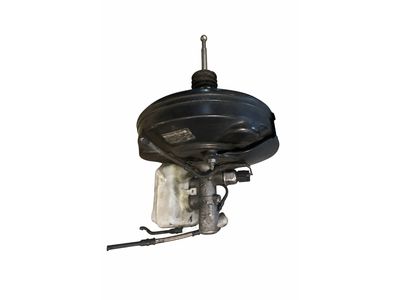
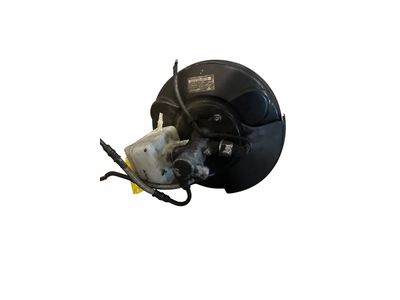
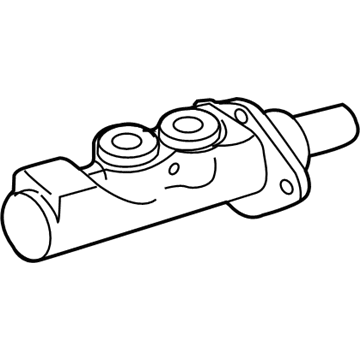
Audi TT Quattro Master Cylinder Part Number: 1J1-614-019-F
$256.14 MSRP: $358.73You Save: $102.59 (29%)Ships in 1-2 Business Days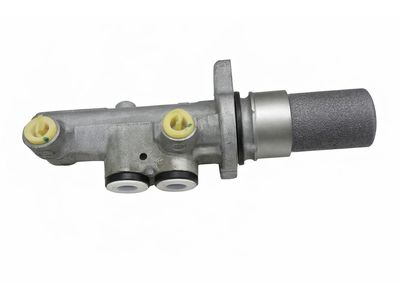
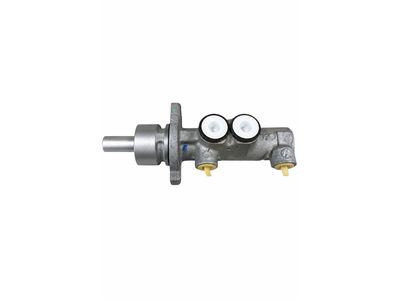
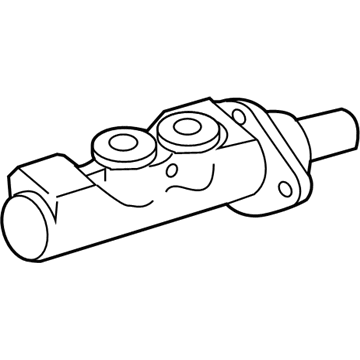
Audi TT Quattro Master Cylinder Part Number: 1J1-614-019-K
$278.00 MSRP: $389.36You Save: $111.36 (29%)Ships in 1-2 Business Days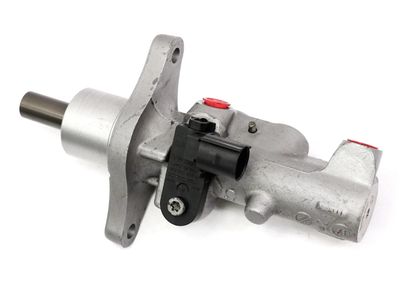
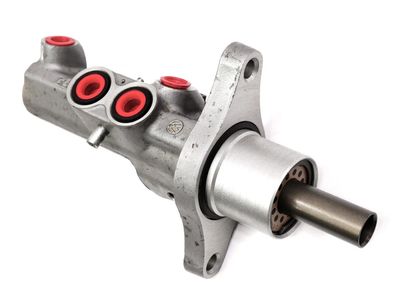
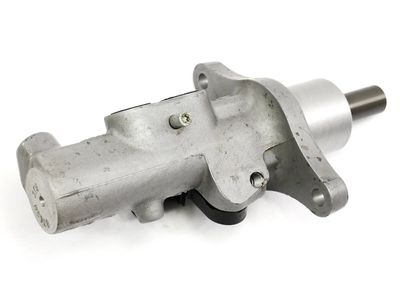
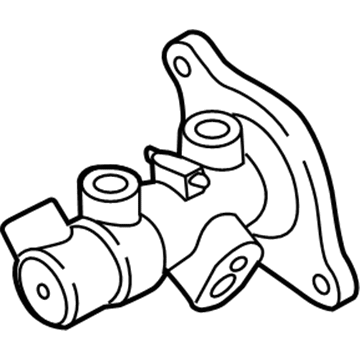
Audi TT Quattro Master Cylinder Part Number: 8J1-611-021-D
$363.18 MSRP: $508.65You Save: $145.47 (29%)Ships in 1-2 Business Days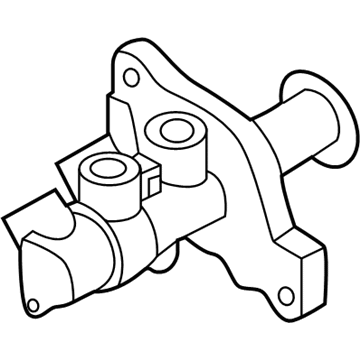
Audi TT Quattro Master Cylinder Part Number: 5Q1-614-019-AC-REP
$297.50 MSRP: $416.67You Save: $119.17 (29%)Ships in 1-2 Business DaysAudi TT Quattro Master Cylinder Part Number: 8N1-614-019
$389.13 MSRP: $545.00You Save: $155.87 (29%)Ships in 1-2 Business DaysAudi TT Quattro Master Cylinder Part Number: 8J1-611-021-E-REP
$543.70 MSRP: $761.48You Save: $217.78 (29%)Ships in 1-2 Business Days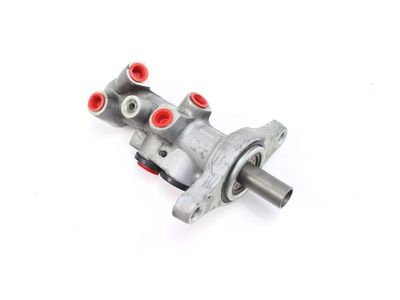
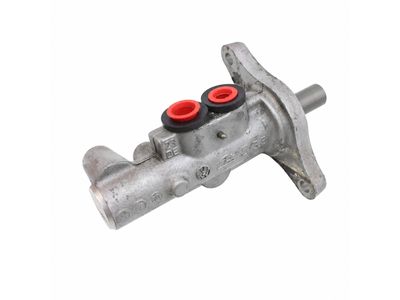
Audi TT Quattro Master Cylinder Part Number: 1J1-614-019-A
Audi TT Quattro Brake Master Cylinder
Choose original equipment manufacturer Brake Master Cylinder for great performance and strong durability. They use Audi's official craftsmanship and high-grade materials, and meet strict quality standards. Are you looking for quality Brake Master Cylinder at a good price? Come to our online store. We carry a wide range of genuine parts for your Audi TT Quattro and the prices are competitive. Each part comes with the manufacturer's warranty. You can install with confidence and get steady results. Over time, you'll save money and avoid hassle. Keep your maintenance simple and protect your vehicle with OEM parts. Get the quality your TT Quattro needs now.
Audi TT Quattro Brake Master Cylinder Parts and Q&A
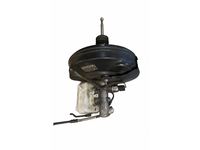
- Q:How to remove and replace the Brake Master Cylinder on Audi TT Quattro?A:Detach the engine canopy and air filter assembly. Put enough lint-free cloths in the place below master cylinder to soak up the leaking fluid. Using your brake filler and bleeder unit or equivalent, remove as much brake fluid as possible from the brake fluid reservoir. For vehicles with manual transmission, the supply hose of the clutch master cylinder shall be clamped shut using an appropriate hose clamp or equivalent before disconnecting supply hose of clutch master cylinder. Reinstall the cap of the brake fluid reservoir that has a brake fluid level warning switch. Remove the electrical connector at the brake fluid level warning switch. Then, press out the pin at the brake fluid reservoir in the direction of the arrow. To protect the brake pressure sensors, detach the harness connectors and disengage the brake lines on the brake master cylinder. Seal off the openings with sealing plugs. Remove the mount nuts of the brake master cylinder, and if supplied, remove the heat shield from the vacuum Brake Booster. Remove the brake pedal from the brake booster and carefully pull the brake master cylinder away from the brake booster. The removal is inverse to the installation. Ensure that the push rod of the brake pedal is correctly positioned in the brake master cylinder from the very start. Then change the sealing ring between the master cylinder and booster. Now bleed the braking system. If applicable bleed the hydraulic clutch and finally use the diagnostic scan tool to perform Basic Settings of the brake pressure sensors.
Related Audi TT Quattro Parts
 Audi TT Quattro Brake Bleeder Screw
 Audi TT Quattro Brake Booster
 Audi TT Quattro Brake Booster Vacuum Hose
 Audi TT Quattro Brake Dust Shields
 Audi TT Quattro Brake Fluid Pump
 Audi TT Quattro Brake Master Cylinder Repair Kit
 Audi TT Quattro Brake Master Cylinder Reservoir
 Audi TT Quattro Hydraulic Hose
 Audi TT Quattro Speed Sensor
 Audi TT Quattro Transmission Sensor
 Audi TT Quattro Wheel Bearing
 Audi TT Quattro Yaw Sensor
Browse by Year
2023 Brake Master Cylinder 2022 Brake Master Cylinder 2021 Brake Master Cylinder 2020 Brake Master Cylinder 2019 Brake Master Cylinder 2018 Brake Master Cylinder 2017 Brake Master Cylinder 2016 Brake Master Cylinder 2015 Brake Master Cylinder 2014 Brake Master Cylinder 2013 Brake Master Cylinder 2012 Brake Master Cylinder 2011 Brake Master Cylinder 2010 Brake Master Cylinder 2009 Brake Master Cylinder 2008 Brake Master Cylinder 2006 Brake Master Cylinder 2005 Brake Master Cylinder 2004 Brake Master Cylinder 2003 Brake Master Cylinder 2002 Brake Master Cylinder 2001 Brake Master Cylinder 2000 Brake Master Cylinder