×
- Hello
- Login or Register
- Quick Links
- Live Chat
- Track Order
- Parts Availability
- RMA
- Help Center
- Contact Us
- Shop for
- Audi Parts

My Garage
My Account
Cart
Genuine Audi A6 Brake Booster
Brake Power Booster- Select Vehicle by Model
- Select Vehicle by VIN
Select Vehicle by Model
orMake
Model
Year
Select Vehicle by VIN
For the most accurate results, select vehicle by your VIN (Vehicle Identification Number).
13 Brake Boosters found
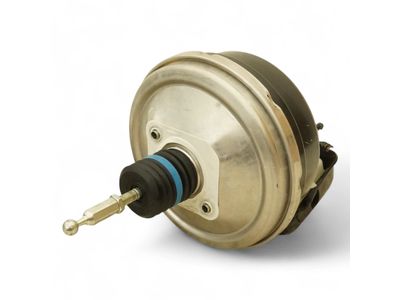
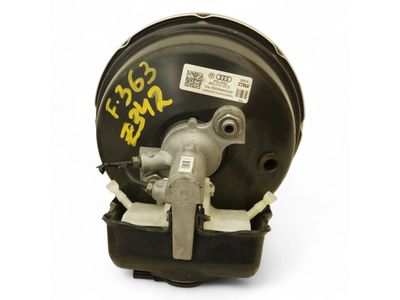
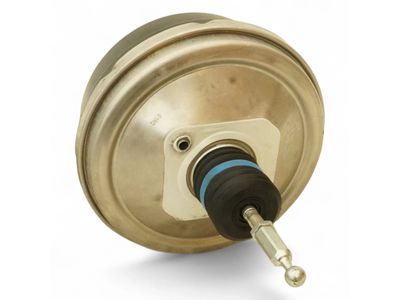
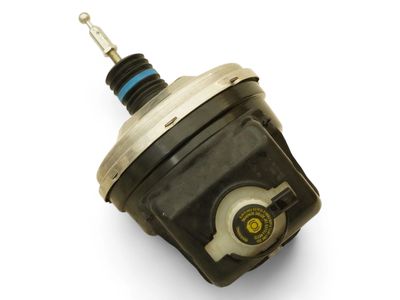
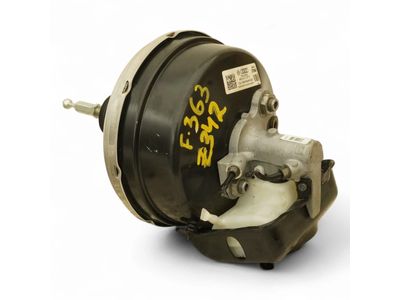
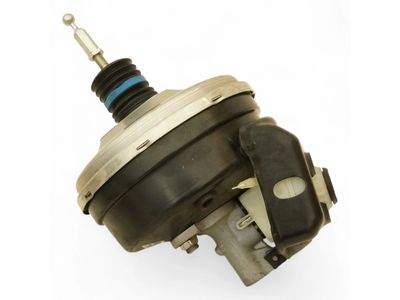
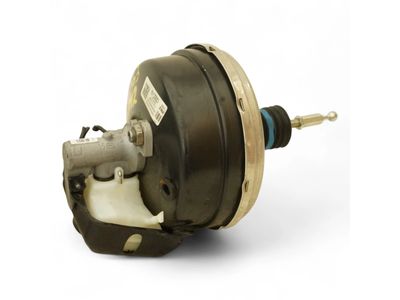
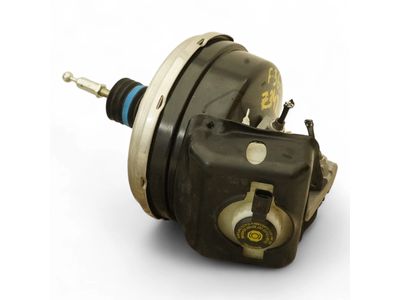
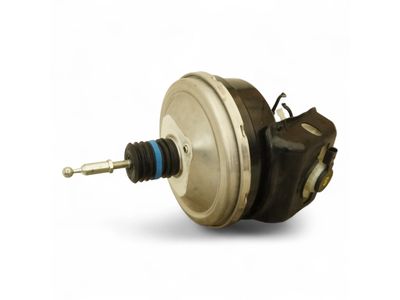
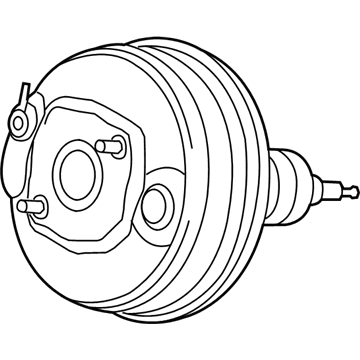
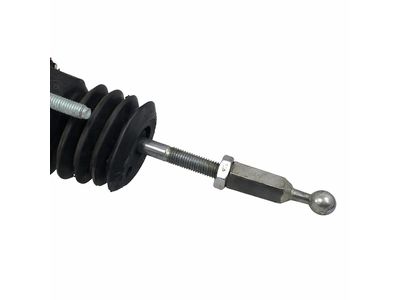
Audi A6 Booster Assembly Part Number: 8K0-612-107-D
$384.37 MSRP: $538.33You Save: $153.96 (29%)Ships in 1-2 Business Days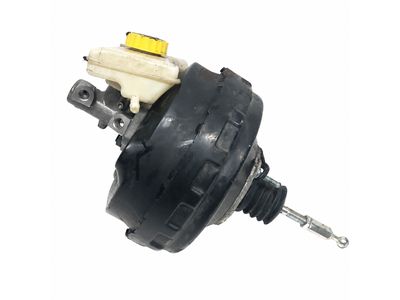
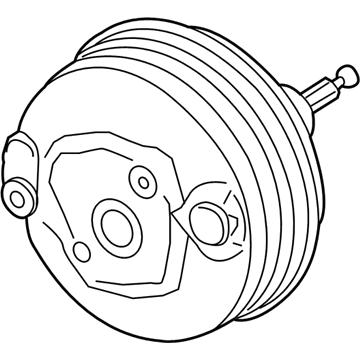
Audi A6 Booster Assembly Part Number: 8E0-612-107-J
$398.64 MSRP: $558.32You Save: $159.68 (29%)Ships in 1-2 Business Days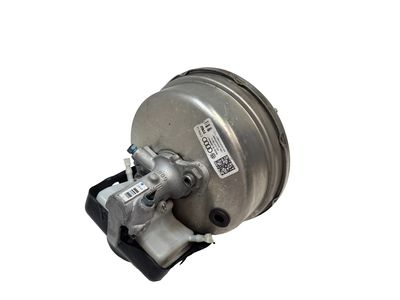
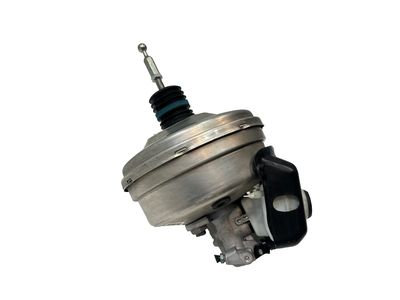
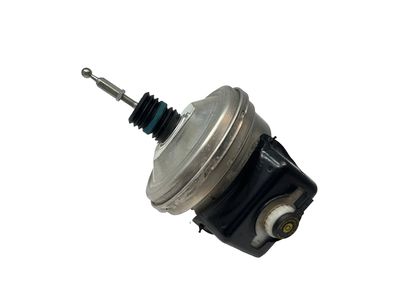
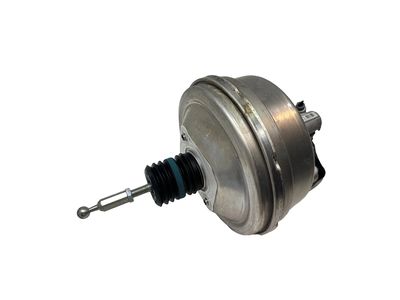
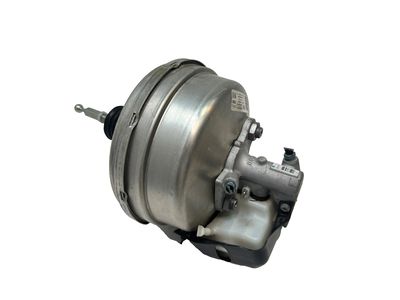
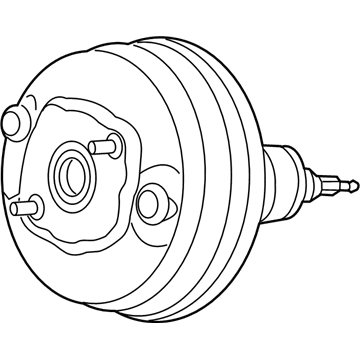
Audi A6 Power Booster Part Number: 4G0-612-107-E
$869.89 MSRP: $1124.61You Save: $254.72 (23%)Ships in 1-2 Business Days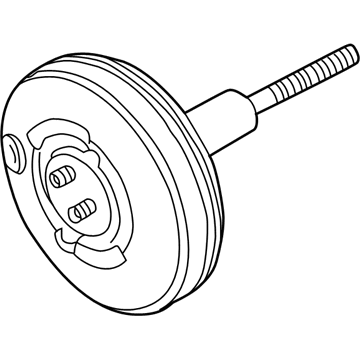
Audi A6 Booster Assembly Part Number: 8E0-612-107-F
$373.66 MSRP: $523.33You Save: $149.67 (29%)Ships in 1-2 Business Days
Audi A6 Booster Assembly Part Number: 4B3-612-107
$410.55 MSRP: $575.00You Save: $164.45 (29%)Ships in 1-2 Business Days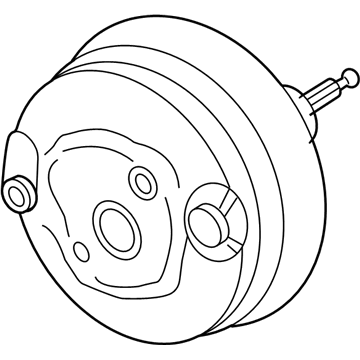
Audi A6 Brake Booster Part Number: 4F0-612-107-E
$574.16 MSRP: $804.15You Save: $229.99 (29%)Ships in 1-2 Business DaysAudi A6 Power Booster Part Number: 4F0-612-107-F
$622.72 MSRP: $805.06You Save: $182.34 (23%)Ships in 1-2 Business DaysAudi A6 Brake Booster Part Number: 4G0-612-107-F
$773.49 MSRP: $999.99You Save: $226.50 (23%)Ships in 1-2 Business Days
Audi A6 Brake Booster Part Number: 4A0-612-107-A
$322.73 MSRP: $452.00You Save: $129.27 (29%)Ships in 1-2 Business DaysAudi A6 Pressure Metering Valve Part Number: 443-614-151-B
$413.26 MSRP: $578.80You Save: $165.54 (29%)Ships in 1-2 Business Days
Audi A6 Pressure Metering Valve Part Number: 443-614-151-H
Audi A6 Booster Assembly Part Number: 8D0-612-107-B
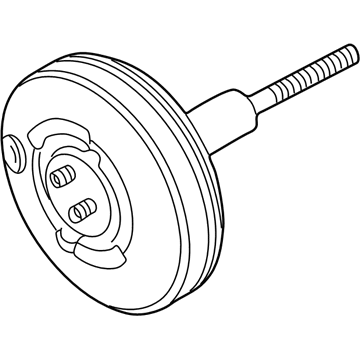
Audi A6 Booster Assembly Part Number: 4D0-612-107-B
Audi A6 Brake Booster
The purpose of the Audi A6 Brake Booster is to multiply the force that the driver is applying to the brake pedal, making it easier to stop the vehicle. On the Audi A6 model lines, the Brake Booster is both power assisted and part of the Audi braking system, situated between the pedal linkage and the master cylinder. It depends on pressure difference for an increase in the push on the master cylinder piston, and two types are available. A vacuum-operated unit maintains a steady vacuum from the engine or an auxiliary pump in a sealed front chamber while atmospheric pressure is held in reserve behind a flexible diaphragm. By pressing the brake pedal, a valve opens to allow atmospheric pressure into the rear chamber. The resulting differential pressure pushes the power piston forward, creating an increase in hydraulic pressure sent to the wheel circuits. As soon as the pedal is released, vacuum is restored at both sides of the diaphragm, which equalizes the conditions, allowing the pedal to return. A hydraulic style uses fluid under pressure supplied by a steering pump or dedicated electric pump for assistance. Fluid force replaces vacuum in this system but has the same end objective, which is to minimize pedal load. Both versions of the Audi Brake Booster have a mounting shell with front and rear joined halves and are considered to be reliable. Any loss of vacuum or loss of fluid pressure means the engine is not running at the time, which limits the boosted applications available. The Audi A6 Brake Booster has a consistent feel with predictable response, which is in keeping with the controlled driving character of the A6 family.
Choose original equipment manufacturer Brake Booster for great performance and strong durability. They use Audi's official craftsmanship and high-grade materials, and meet strict quality standards. Are you looking for quality Brake Booster at a good price? Come to our online store. We carry a wide range of genuine parts for your Audi A6 and the prices are competitive. Each part comes with the manufacturer's warranty. You can install with confidence and get steady results. Over time, you'll save money and avoid hassle. Keep your maintenance simple and protect your vehicle with OEM parts. Get the quality your A6 needs now.
Audi A6 Brake Booster Parts and Q&A
- Q:How to remove and reinstall the Brake Booster and master cylinder assembly on Audi A6?A:Pull off rubber molding at the engine compartment rear bulkhead and remove the plenum chamber cover. Unscrew the brake fluid reservoir cap and siphon out as much brake fluid as possible from the fluid reservoir. For manual transmission vehicles, disconnect the clutch master cylinder supply hose and seal it with a plug. Disconnect the brake fluid level warning switch harness connector and the brake booster vacuum hose. Below the brake fluid reservoir, disconnect the brake lines at the Brake Master Cylinder, immediately sealing the brake lines and plugging the brake fluid ports. Remove the Torx T45 bolts mounting the master cylinder and booster assembly to the bulkhead. In the passenger compartment, tilt the steering column down and remove the trim under the instrument cluster, along with the trim panel fasteners. Remove the lower trim fasteners and pull down the trim panels under the steering column to access the pedal cluster. Working under the dashboard above the pedals, remove the brake light switch. Insert the disengaging tool between the brake pedal and the ball head of the brake booster pushrod, pulling back on the tool and brake pedal simultaneously while holding the brake pedal securely. Pry the retaining tabs from the ball head by pulling lightly on the tool, keeping tension on the tool to prevent the retaining tabs from reengaging, and then pull the brake pedal from the ball head. Remove the brake master cylinder and booster from the plenum chamber, checking and resetting the brake booster pushrod length prior to installation. When measuring, ensure the ball head is at a right angle to the surface of the brake booster, measuring from the end of the ball head to the metal base of the booster. Installation is the reverse of removal, paying particular attention to reinstalling and adjusting the brake light switch and the brake and clutch pedal cruise control vent valve switches, followed by flushing and bleeding the brake system.
Related Audi A6 Parts
 Audi A6 Vacuum Pump
 Audi A6 ABS Control Module
 Audi A6 ABS Pump And Motor Assembly
 Audi A6 Axle Bearing Lock Rings
 Audi A6 Brake Bleeder Screw
 Audi A6 Brake Booster Vacuum Pump
 Audi A6 Brake Caliper
 Audi A6 Brake Caliper Bolt
 Audi A6 Brake Fluid Pump
 Audi A6 Brake Master Cylinder
 Audi A6 Brake Master Cylinder Repair Kit
 Audi A6 Transmission Sensor
Browse by Year
2018 Brake Booster 2017 Brake Booster 2016 Brake Booster 2015 Brake Booster 2014 Brake Booster 2013 Brake Booster 2012 Brake Booster 2011 Brake Booster 2010 Brake Booster 2009 Brake Booster 2008 Brake Booster 2007 Brake Booster 2006 Brake Booster 2004 Brake Booster 2003 Brake Booster 2002 Brake Booster 2001 Brake Booster 2000 Brake Booster 1999 Brake Booster 1998 Brake Booster 1997 Brake Booster 1996 Brake Booster 1995 Brake Booster