×
- Hello
- Login or Register
- Quick Links
- Live Chat
- Track Order
- Parts Availability
- RMA
- Help Center
- Contact Us
- Shop for
- Audi Parts

My Garage
My Account
Cart
Genuine Audi A3 Spark Plug
Ignition Spark Plug- Select Vehicle by Model
- Select Vehicle by VIN
Select Vehicle by Model
orMake
Model
Year
Select Vehicle by VIN
For the most accurate results, select vehicle by your VIN (Vehicle Identification Number).
6 Spark Plugs found
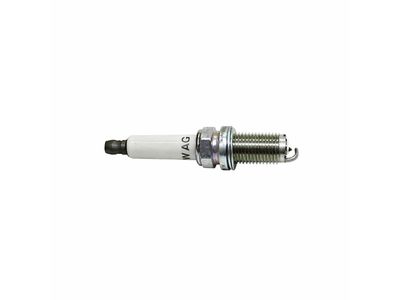
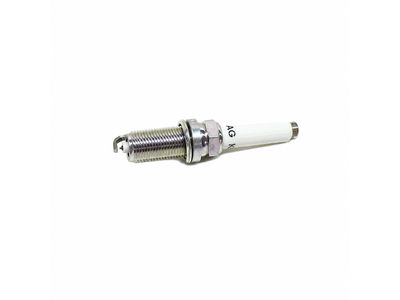
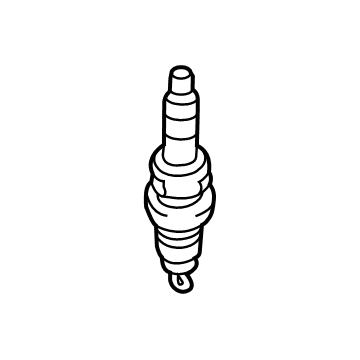
Audi A3 Spark Plug Part Number: 06K-905-601-B
$11.52 MSRP: $15.00You Save: $3.48 (24%)Ships in 1-2 Business Days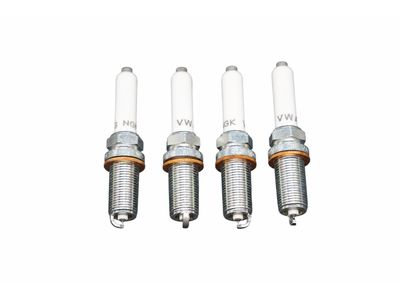
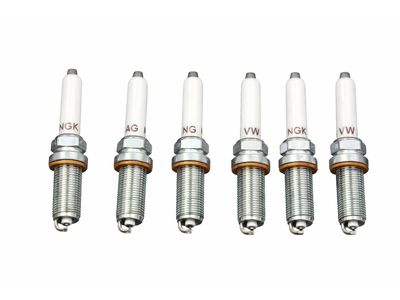
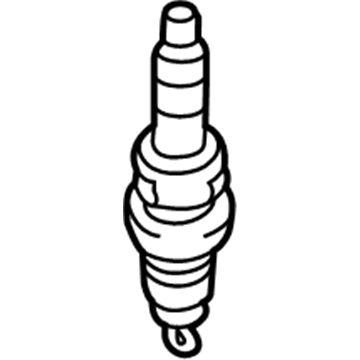
Audi A3 Spark Plug Part Number: 06Q-905-601-A
$8.91 MSRP: $11.60You Save: $2.69 (24%)Ships in 1-2 Business Days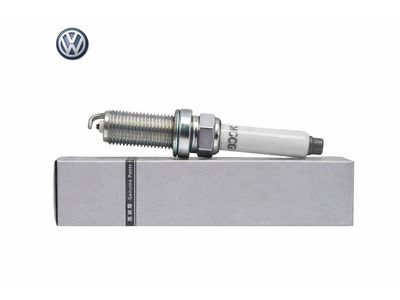
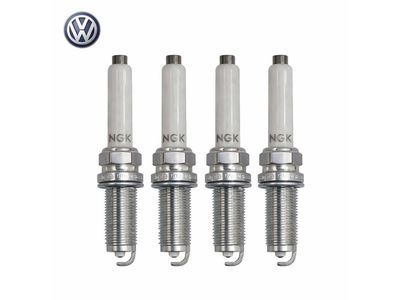
Audi A3 Spark Plug Part Number: 06K-905-601-L
$22.36 MSRP: $29.83You Save: $7.47 (26%)Ships in 1-2 Business Days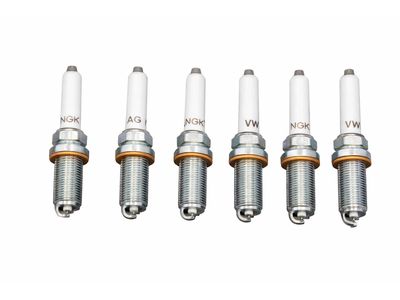
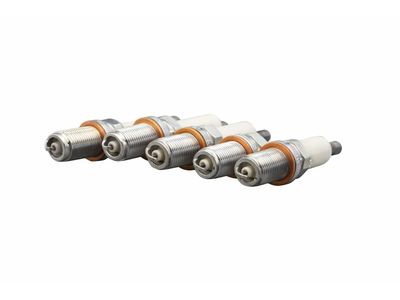
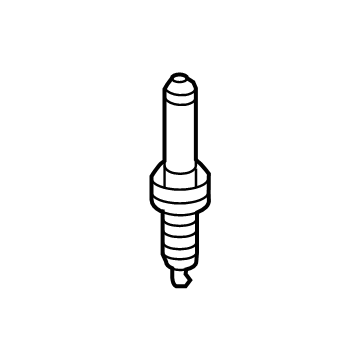
Audi A3 Spark Plug Part Number: 06Q-905-611-A
$16.35 MSRP: $21.79You Save: $5.44 (25%)Ships in 1-2 Business Days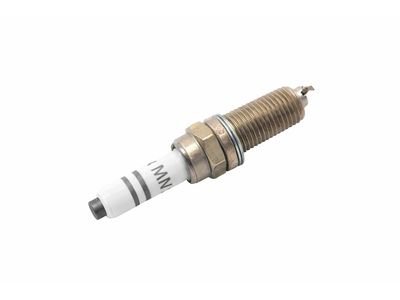
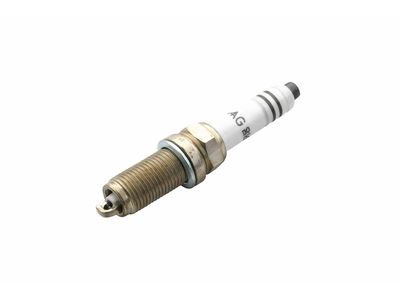
Audi A3 Spark Plug Part Number: 06K-905-611-C
$11.52 MSRP: $15.00You Save: $3.48 (24%)Ships in 1-2 Business Days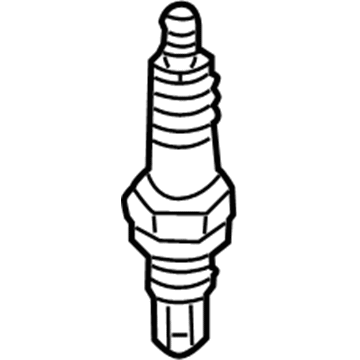
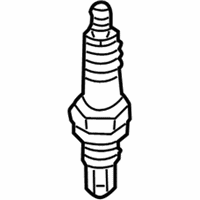
Audi A3 Spark Plug Part Number: 06H-905-621-A
$23.30 MSRP: $31.06You Save: $7.76 (25%)Ships in 1-2 Business Days
Audi A3 Spark Plug
Choose original equipment manufacturer Spark Plug for great performance and strong durability. They use Audi's official craftsmanship and high-grade materials, and meet strict quality standards. Are you looking for quality Spark Plug at a good price? Come to our online store. We carry a wide range of genuine parts for your Audi A3 and the prices are competitive. Each part comes with the manufacturer's warranty. You can install with confidence and get steady results. Over time, you'll save money and avoid hassle. Keep your maintenance simple and protect your vehicle with OEM parts. Get the quality your A3 needs now.
Audi A3 Spark Plug Parts and Q&A
- Q:What is the importance of spark plugs for engine efficiency and what are the proper procedures for their maintenance and installation on Audi A3?A:Proper operation of the spark plugs is essential to the operation of the engine even though there should be the right type of the spark plugs depending on the type of engine. When the right type is employed, and the engine is well maintained then spark plugs are not normally required in between the scheduled renewal and cleaning should only be attempted with special equipment to avoid damage. In the case of 1.6 litre DOHC engine, engine top cover has to be removed and ignition HT coils and wiring can be removed with the help of special tools or a bend welding rod. The SOHC engines with 1.6 litre capacity have spark plugs installed underneath the upper part of the inlet manifold, which complicates their reach; it is advisable to use special tools to disconnect the HT leads and unscrew the plugs. In the case of the 2.0 litre engines, the engine top cover and securing bolts are removed first and then the ignition HT coils. The spark plug recesses should be cleaned before they are removed to ensure that no dirt gets into the cylinders. Unscrewing the plugs one should make sure to hold the socket in place so as not to break the ceramic insulator. Inspection of the spark plugs can also tell about the state of the engine, and the presence of various deposits are indicative of diverse problems. The gap between the electrode of the spark plug is an important factor in efficiency and they should be altered with care without bending the electrode in the middle. Prior to installation of new plugs, the threaded connector sleeves should be clean and tight to prevent cross-threading, which can be prevented by installing a rubber hose to align them. The plugs must be tightened to the recommended torque after installation and the HT leads and ignition coils must be harnessed up again after reversing the procedure of their removal.
Related Audi A3 Parts
 Audi A3 Coolant Temperature Sensor
 Audi A3 Exhaust Gas Temperature Sensor
 Audi A3 MAP Sensor
 Audi A3 Oxygen Sensor
 Audi A3 Speedometer
 Audi A3 Crankshaft Position Sensor
 Audi A3 Engine Control Module
 Audi A3 Glow Plug
 Audi A3 Ignition Coil Boot
 Audi A3 Ignition Control Module
 Audi A3 Knock Sensor
 Audi A3 Temperature Sender