×
- Hello
- Login or Register
- Quick Links
- Live Chat
- Track Order
- Parts Availability
- RMA
- Help Center
- Contact Us
- Shop for
- Audi Parts

My Garage
My Account
Cart
Genuine Audi 100 Fuel Tank
Gas Tank- Select Vehicle by Model
- Select Vehicle by VIN
Select Vehicle by Model
orMake
Model
Year
Select Vehicle by VIN
For the most accurate results, select vehicle by your VIN (Vehicle Identification Number).
5 Fuel Tanks found

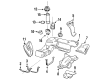
Audi 100 Fuel Tank Part Number: 4B0-201-163-AE
$102.34 MSRP: $143.33You Save: $40.99 (29%)Ships in 1-2 Business Days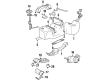
Audi 100 Fuel Tank Part Number: 8G0-201-075-A
$928.20 MSRP: $1200.00You Save: $271.80 (23%)Ships in 1-2 Business Days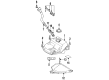
Audi 100 Fuel Tank Part Number: 443-201-075-AL
$1008.49 MSRP: $1303.80You Save: $295.31 (23%)Ships in 1-2 Business DaysAudi 100 Fuel Tank Part Number: 4A0-201-075-K
$1541.05 MSRP: $1850.00You Save: $308.95 (17%)Ships in 1-2 Business Days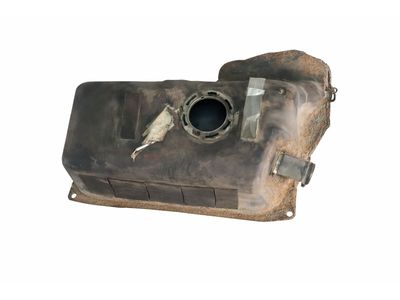
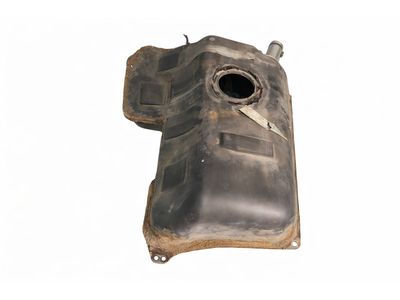
Audi 100 Fuel Tank Part Number: 4A0-201-075-L
Audi 100 Fuel Tank
Choose original equipment manufacturer Fuel Tank for great performance and strong durability. They use Audi's official craftsmanship and high-grade materials, and meet strict quality standards. Are you looking for quality Fuel Tank at a good price? Come to our online store. We carry a wide range of genuine parts for your Audi 100 and the prices are competitive. Each part comes with the manufacturer's warranty. You can install with confidence and get steady results. Over time, you'll save money and avoid hassle. Keep your maintenance simple and protect your vehicle with OEM parts. Get the quality your 100 needs now.
Audi 100 Fuel Tank Parts and Q&A
- Q:What precautions should be observed before working on the fuel tank components on Audi 100?A:Before working on fuel system components, observe the necessary precautions. To remove the tank, drain as much fuel as possible since no drain plug is provided, making it preferable to remove the tank when nearly empty. Disconnect the battery negative lead and, if possible, use a hand pump or siphon to remove any remaining fuel from the tank. Chock the front wheels, jack up the rear of the vehicle, and support it on axle stands before removing the right-hand rear roadwheel. Depressurise the fuel system and remove the trim from the load space floor. Unscrew and remove the access hatch screws, then lift the hatch away from the floorpan. Unplug the wiring connector from the pump/sender unit, place rags beneath the fuel and vent hoses to catch any spilled fuel, loosen the clips, and disconnect the fuel return and vent hoses, identifying each hose for position. Unscrew and remove the union bolt securing the feed hose to the pump/sender unit, recovering the sealing washers, and plug or tape over the ends of the hoses to prevent dust and dirt from entering the fuel system. Position a trolley jack under the center of the tank with a block of wood to prevent damage, then raise the jack until it just supports the weight of the tank. Working inside the rear right-hand wheel arch, loosen the clips and disconnect the filler hose from the fuel tank, removing any screws securing the filler neck if necessary. Open the fuel filler flap and peel the rubber sealing flange away from the bodywork. If needed, remove the exhaust system heat protection plates located on the left-hand side of the fuel tank. Undo the retaining nuts from the tank securing straps while steadying the tank, then lower it from the underbody and withdraw it from beneath the vehicle. If the tank is contaminated with sediment or water, remove the fuel pump/sender unit and swill the tank out with clean fuel. The tank, made from synthetic material, should be renewed if damaged, although small leaks or minor damage may be repairable with specialist advice. For refitting, reverse the removal procedure, ensuring the mounting rubbers are correctly positioned, hoses are not trapped, all pipes and hoses are correctly routed and securely held with retaining clips, and the tank retaining strap nuts are tightened. Finally, refill the tank with fuel and thoroughly check for signs of leakage before taking the vehicle out on the road.


