×
- Hello
- Login or Register
- Quick Links
- Live Chat
- Track Order
- Parts Availability
- RMA
- Help Center
- Contact Us
- Shop for
- Audi Parts

My Garage
My Account
Cart
Genuine Audi TT Quattro Oil Filter
Engine Oil filter- Select Vehicle by Model
- Select Vehicle by VIN
Select Vehicle by Model
orMake
Model
Year
Select Vehicle by VIN
For the most accurate results, select vehicle by your VIN (Vehicle Identification Number).
5 Oil Filters found
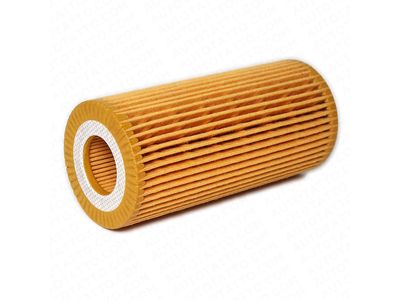
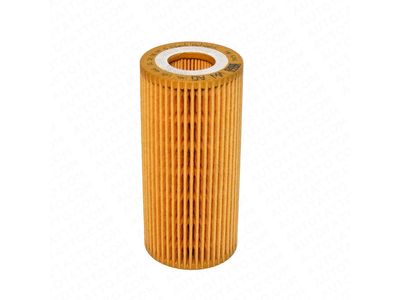
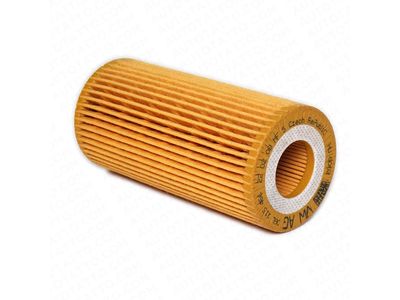
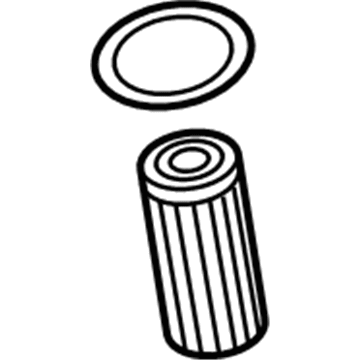
Audi TT Quattro Filter Element Part Number: 06L-115-562-B
$12.86 MSRP: $17.15You Save: $4.29 (26%)Ships in 1-2 Business Days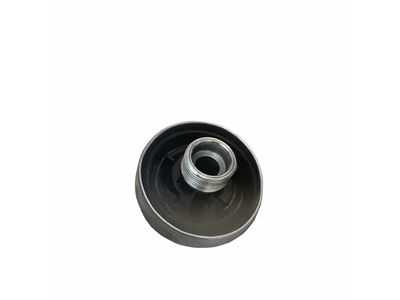
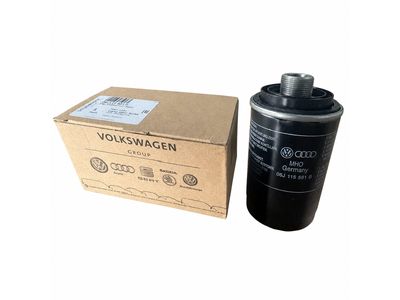
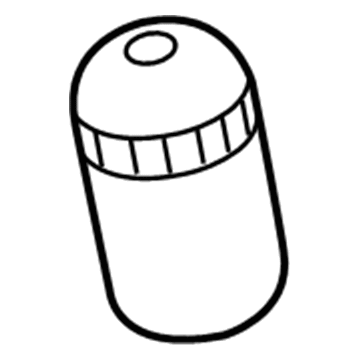
Audi TT Quattro Oil Filter Part Number: 06J-115-403-Q
$16.36 MSRP: $21.82You Save: $5.46 (26%)Ships in 1-2 Business Days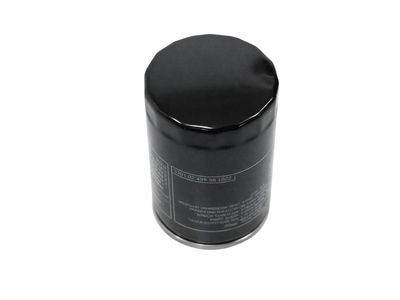
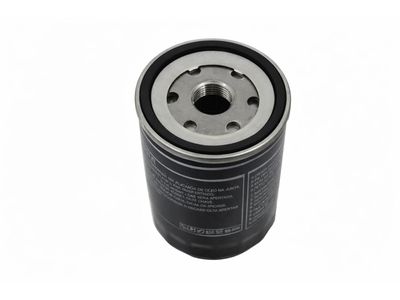
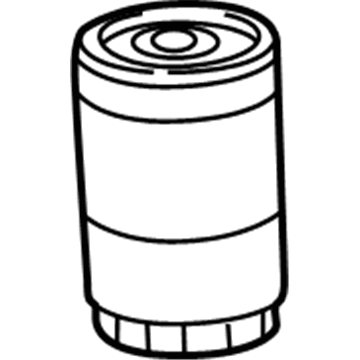
Audi TT Quattro Oil Filter Part Number: 06A-115-561-B
$12.63 MSRP: $16.83You Save: $4.20 (25%)Ships in 1-2 Business Days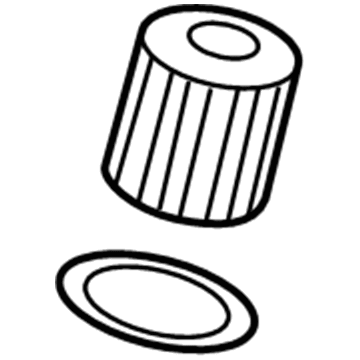
Audi TT Quattro Oil Filter Part Number: 071-115-562-A
$12.54 MSRP: $16.34You Save: $3.80 (24%)Ships in 1-2 Business Days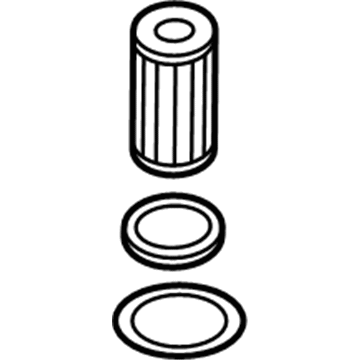
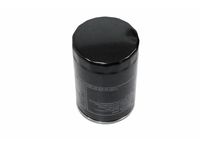
Audi TT Quattro Oil Filter Part Number: 06D-115-562
$14.86 MSRP: $19.82You Save: $4.96 (26%)Ships in 1-2 Business Days
Audi TT Quattro Oil Filter
Choose original equipment manufacturer Oil Filter for great performance and strong durability. They use Audi's official craftsmanship and high-grade materials, and meet strict quality standards. Are you looking for quality Oil Filter at a good price? Come to our online store. We carry a wide range of genuine parts for your Audi TT Quattro and the prices are competitive. Each part comes with the manufacturer's warranty. You can install with confidence and get steady results. Over time, you'll save money and avoid hassle. Keep your maintenance simple and protect your vehicle with OEM parts. Get the quality your TT Quattro needs now.
Audi TT Quattro Oil Filter Parts and Q&A
- Q:How to change the engine oil and the Oil Filter in 1.8L 4-cylinder engines on Audi TT Quattro?A:After warming the engine to operating temperature, turn off the ignition and apply the parking brake. You can either use a lift or hoist or else raise the vehicle and support it on jackstands or ramps. Remove the lower sound absorber panel and place a suitable drain pan under the engine. Remove the drain plug from the back of the oil pan and allow the oil to drain into the pan. After the oil has completely drained, install and tighten the drain plug, which has a permanent seal and must always be replaced. The filter flange, which is on the front of the engine, connects the engine oil filter to an oil cooler. It is underneath the vehicle. With an oil filter wrench, loosen the oil filter and remove it. This allows oil to drain from the cooler and flange assembly. Both 180-hp and 225-hp engines have similar oil filter set-ups. As soon as the oil drains stops, clean the sealing surface on the oil cooler and apply a light film of clean oil to the gasket on the oil filter. Thread the oil filter on the oil cooler mounting stud and tighten it by hand. Tighten the oil filter to specification by using a suitable tool. Ensure to fill the engine with oil that has the correct viscosity and rating. Fill to approximately one litre less than the amount listed in the engine oil capacity tables. Once the vehicle has been lowered and is at zero-degree level, start the engine and let it idle until the temperature goes close to 60° C (140° F) and switch off ignition. After waiting for approximately 3 minutes, check the dipstick and fill to the MAX mark carefully. To prevent damage or failure of the turbocharger, the engine should only be run at idle until the oil pressure light goes out. It should NOT be revved or accelerated. Afterwards, the oil filter and drain plug area should be checked for leaks. Once the engine is off, refit the lower sound absorber panel and remove the vehicle from the jackstands or ramps (don't forget to set the handbrake to stop it from rolling). Dispose of used oil, oily rags, and the filter properly.
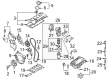
Related Audi TT Quattro Parts
 Audi TT Quattro Belt Tensioner
 Audi TT Quattro Cylinder Head Gasket
 Audi TT Quattro Dipstick
 Audi TT Quattro Engine Cover
 Audi TT Quattro Harmonic Balancer
 Audi TT Quattro Oil Drain Plug
 Audi TT Quattro Oil Drain Plug Gasket
 Audi TT Quattro Timing Belt
 Audi TT Quattro Timing Chain Guide
 Audi TT Quattro Timing Cover Gasket
 Audi TT Quattro Valve Cover
 Audi TT Quattro Valve Cover Gasket
Browse by Year
2023 Oil Filter 2022 Oil Filter 2021 Oil Filter 2020 Oil Filter 2019 Oil Filter 2018 Oil Filter 2017 Oil Filter 2016 Oil Filter 2015 Oil Filter 2014 Oil Filter 2013 Oil Filter 2012 Oil Filter 2011 Oil Filter 2010 Oil Filter 2009 Oil Filter 2008 Oil Filter 2006 Oil Filter 2005 Oil Filter 2004 Oil Filter 2003 Oil Filter 2002 Oil Filter 2001 Oil Filter 2000 Oil Filter